Warsh holds the Dollar’s steering wheel today
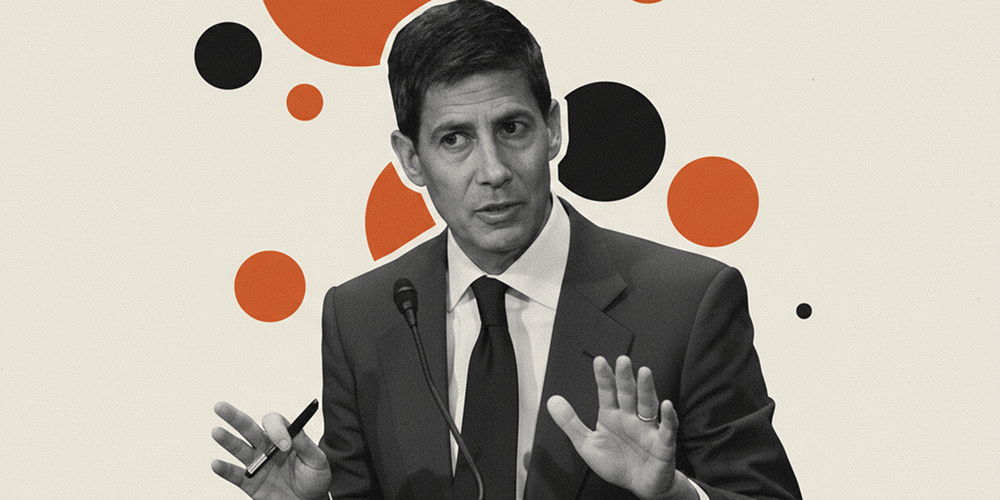
Warsh remains the dollar’s clearest support beam. With inflation still sticky, jobs holding firm, and equities far from distressed, there is little reason for the Fed Chair to soften his tone at Sintra.
The real risk is not whether the Fed hikes, but how soon. Markets already price tightening into next year, yet any hint that September—or even July—is live could pull rate expectations forward sharply.
DXY has found its footing at 101.00. A firm ADP print, resilient ISM data, and another hawkish Warsh performance could reopen the path toward 101.70–101.80.
EUR/USD remains vulnerable below 1.1350. The ECB may continue talking tough, but softer eurozone inflation and a more credible hawkish Fed leave the single currency exposed.
Warsh holds the Dollar’s steering wheel today
The dollar has stayed well bid since last month’s FOMC meeting, and the market is now waiting to see whether Kevin Warsh gives it another reason to climb. With the Fed offering little in the way of forward guidance, every public word from the new Chair carries a little more weight than usual. Sintra is the stage today, and price stability is likely to remain the script.
The last time Warsh spoke, the dollar did not need much encouragement. The shortened FOMC statement, the renewed emphasis on inflation, and a hawkish set of Dot Plots were enough to remind markets that this Fed is no longer inclined to look through sticky prices simply because growth remains intact. The message was plain: five years of missing the inflation target is enough, and the bar for easing policy has moved materially higher.
That backdrop has not softened since. Core PCE is still running at 3.4% year on year, the jobs market has again surprised to the upside, consumer confidence has held up better than expected, and equities remain near the upper end of their recent range despite the occasional wobble. It would be difficult for Warsh to suddenly sound accommodating while the economy is still giving him so little cover to do so.
Markets already have around 45bp of tightening priced by the second quarter of next year, but the more important question is whether the timing gets pulled forward. There is already 22bp priced for September and a further 8bp for the July 29 meeting. For Warsh to push back against that would be a genuine surprise. The bigger risk is that he leaves the door open to earlier action, particularly if inflation and employment data keep refusing to cool.
Before he speaks, ADP provides the first test. A number above the +120k area would reinforce the view that the labour market is still too firm for the Fed to relax. Later, ISM manufacturing should offer another read on whether activity is continuing to expand rather than roll over.
DXY has held the 101.00 support area, and that leaves the 101.775to 102 zone back in play. The dollar does not need a dramatic new Fed message today. It simply needs Warsh to keep both hands firmly on the wheel.
For EUR/USD, that could be enough to bring 1.1350 back under pressure. The ECB may still try to sound tough at Sintra, even if another September hike would look increasingly like policy theatre rather than policy necessity. Eurozone CPI is expected to soften modestly, but the ECB’s task remains keeping inflation expectations contained without overtightening into a weaker economy.
That leaves the euro caught between an ECB trying to hold the line and a Fed Chair who still looks determined to redraw it.
Author

Stephen Innes
SPI Asset Management
With more than 25 years of experience, Stephen has a deep-seated knowledge of G10 and Asian currency markets as well as precious metal and oil markets.