US Dollar Weekly Forecast: Economic cracks challenge Fed rate bets
- The US Dollar rose marginally from two consecutive weeks of losses.
- US inflation cooled a tad in July, trimming bets on Fed rate hikes.
- The next release of relevance for the Greenback is the FOMC Minutes.

The week that was
It was a strange week for the US Dollar (USD): while the geopolitical situation has remained largely unchanged, with the usual back-and-forth between the US, Iran, and occasional third parties, disappointing domestic data have re-emerged, reducing expectations of potential tightening by the Federal Reserve (Fed) in the next few months.
And let’s not forget about the almost-omnipresent anxiety surrounding interventions in the FX galaxy to support the Japanese currency.
Against that, the US Dollar (USD) saw an auspicious first half of the week, even hitting monthly highs just beyond the psychological 100.00 barrier. However, the index made a U-turn afterward as market participants digested the in-line inflation data for July and some extra easing of weekly prints from the labour market, all preceding poor readings on consumer spending and deteriorating sentiment among households. The last moments of Friday’s American session, however, saw the buck regaining some composure and crossing the finish line with humble gains.
The latter has played against bets for further tightening by the Fed later in the year, while market chatter gyrating around the likelihood of extra interventions by the Japanese Ministry of Finance (MoF) to support the beleaguered Yen has also kept the buck under steady pressure.
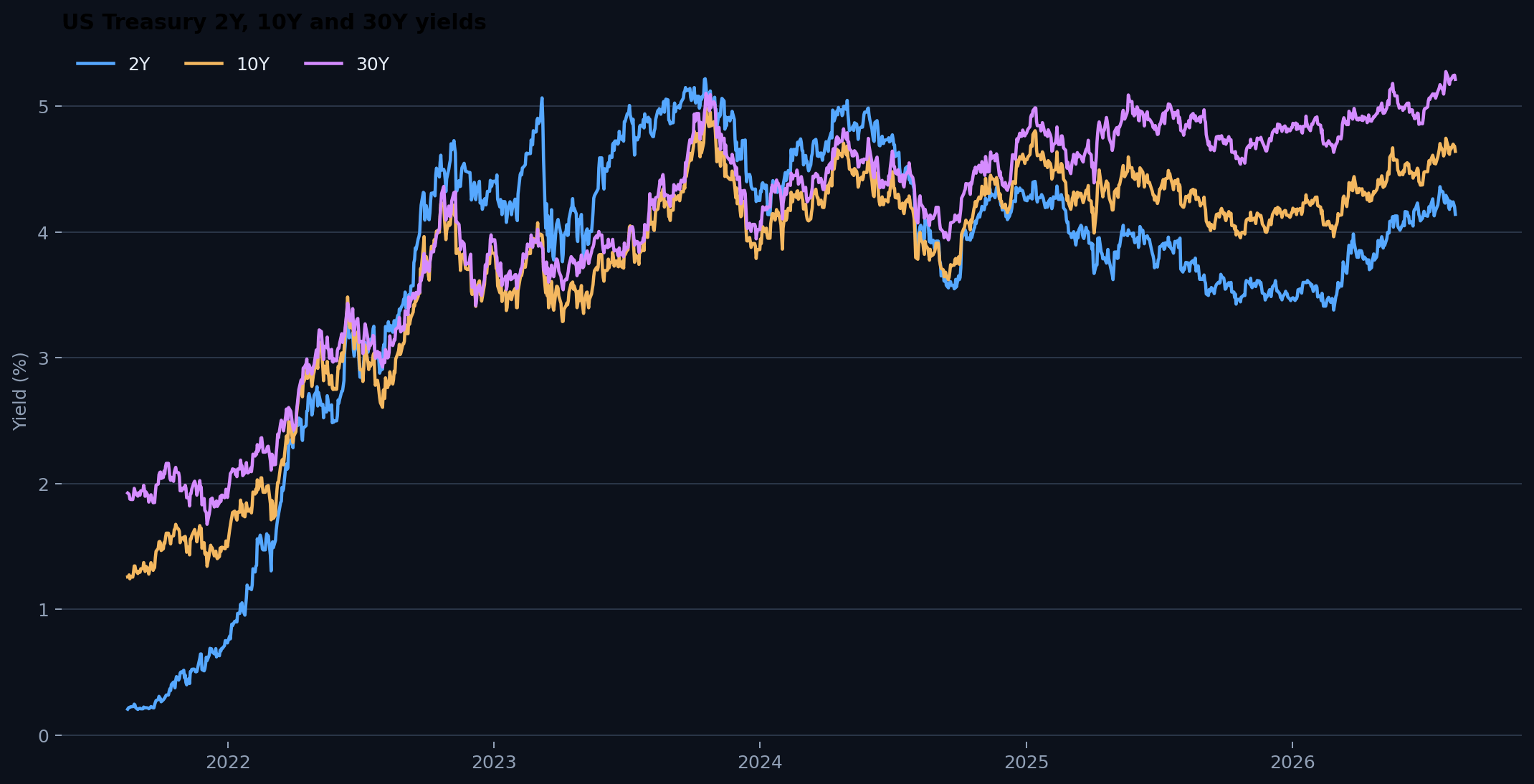
Looking at the US money market, the performance of US Treasury yields has been mixed across the spectrum, with the short end of the curve trading downwards, the belly roughly sidelined, and the long end slightly pointing north.
The week around the Fed
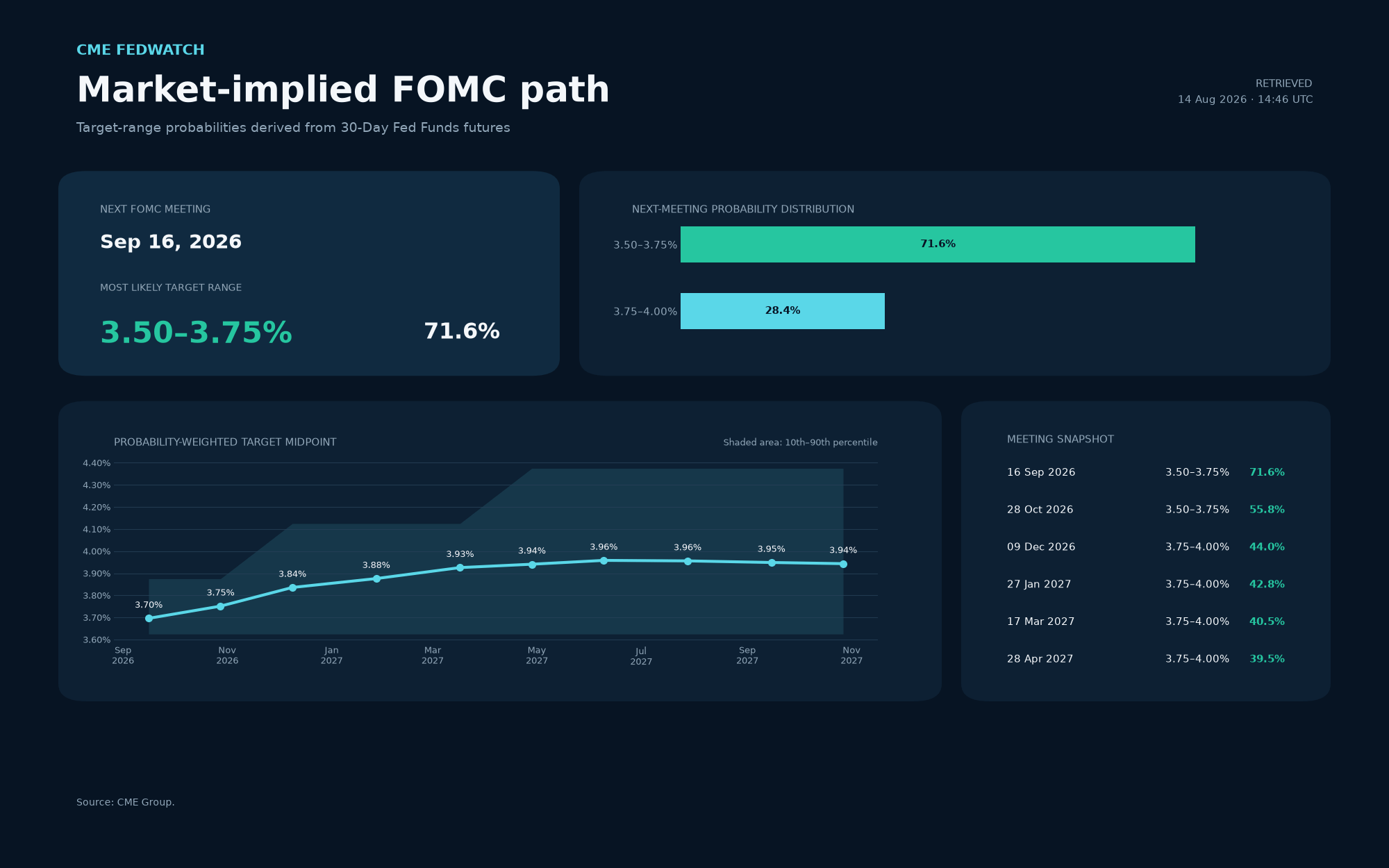
Following this week’s comments from Fed rate setters, the rhetoric seems to retain a hawkish bias as inflation remains the priority. Indeed, officials point to a continued hawkish policy bias, despite some improvement in inflation data, while the labour market remains stable and economic activity resilient, reducing the urgency for policy easing.
Beth Hammack (Cleveland) delivered the strongest signal, reiterating that the Fed should raise interest rates now. She argued that policy is not restrictive, that inflation remains broad-based, and that supply-driven price pressures have proved more persistent than expected. Although the latest two inflation reports were encouraging, Hammack wants inflation returned to 2% more quickly.
Susan Collins (Boston) also indicated that she would support a September rate increase if inflation remains elevated.
Thomas Barkin (Richmond) presented a more balanced assessment. He acknowledged that tariffs, Oil and other shocks could fade, allowing inflation to decline, but warned that price pressures may be embedded. Barkin was uncertain whether restoring price stability would require weaker demand or another rate increase.
Lastly, Austan Goolsbee (Chicago) was comparatively less hawkish. He welcomed the recent improvement in inflation and expects temporary tariff and Oil effects to eventually fade. Nevertheless, he described inflation and affordability as the economy’s main problems, while assessing activity and the labour market as broadly stable.
Overall, the remarks suggest that the Fed is not preparing to ease policy. Persistent inflation, resilient spending and stable employment keep a September rate increase firmly in play, although Goolsbee and Barkin appear more willing to wait for additional evidence.
Bullish conviction strengthens as speculative longs accelerate
Speculative sentiment towards the US Dollar strengthened markedly in the latest reporting week, with Commodity Futures Trading Commission (CFTC) data showing net long positions rising to 22.5K contracts from 17.2K previously. The weekly increase of 5.3K contracts was the largest in several weeks, signalling a renewed build-up in bullish Dollar exposure after the more measured accumulation seen throughout July.
The latest advance came despite a decline in overall market participation, with open interest falling to around 52.2K contracts (from nearly 58.3K). As a result, speculative exposure jumped to 43.1% (from 29.5%), highlighting a significant increase in the concentration of bullish positions. The combination of higher net longs and lower open interest suggests investors have become considerably more committed to the Dollar, with conviction rising even as the number of outstanding contracts has declined.
The broader trend has also strengthened. The 4-week change accelerated to 9.2K contracts from 4.2K previously, confirming that speculative demand for the buck has gathered momentum over the past month. Historical measures reinforce that view, with the Net Position Percentile climbing to 74.3 and the Speculative Exposure Percentile advancing to 65.9, both pointing to the strongest bullish positioning seen this year while remaining below historically crowded levels.
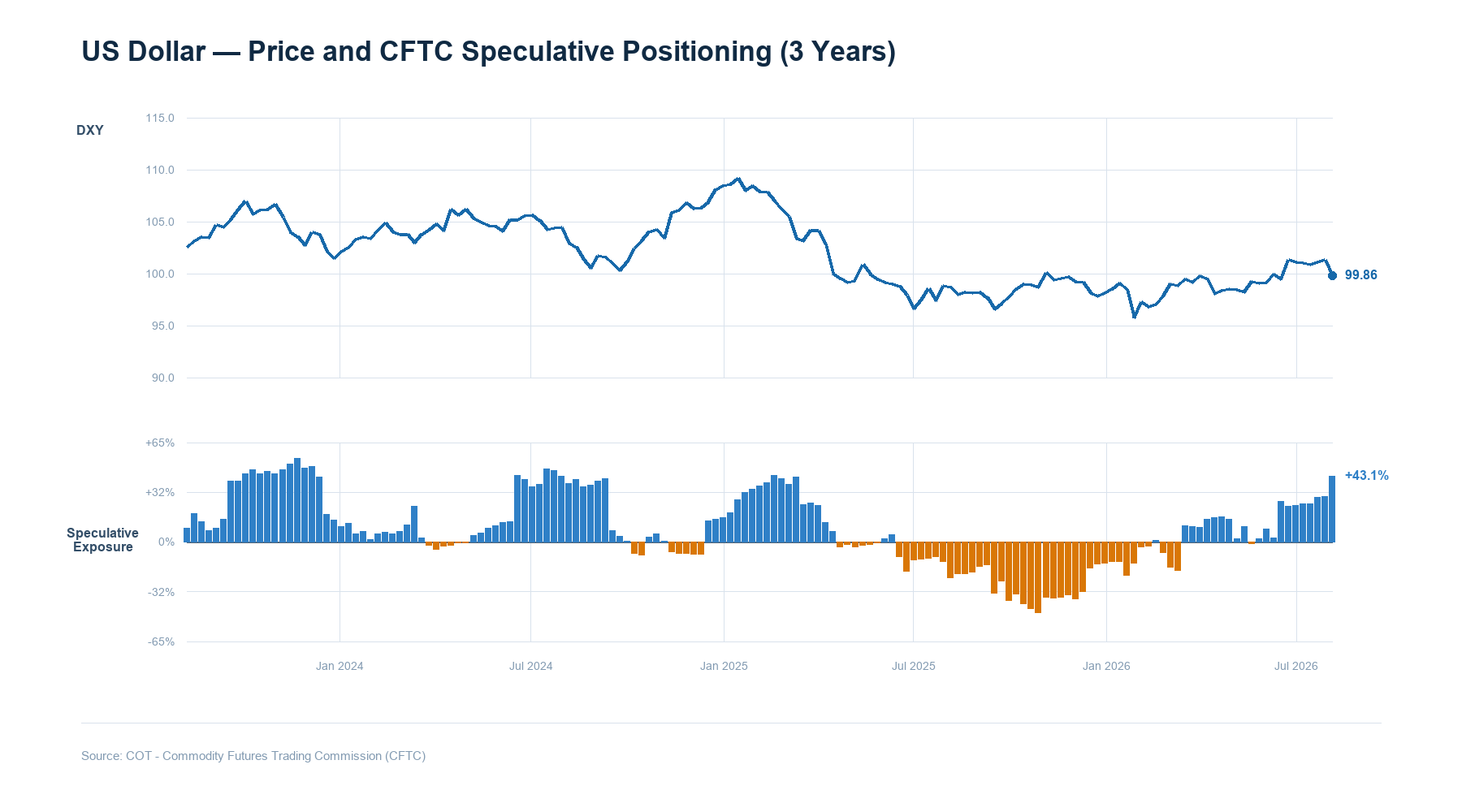
In summary, the latest report suggests speculators have become more bullish on the Greenback. Although positioning is not yet extreme, the combination of stronger weekly flows, rising 4-week momentum and a sharp increase in speculative exposure indicates bullish conviction has strengthened considerably. Should US economic data and Fed expectations remain supportive, the positioning backdrop continues to favour further gains in USD longs, although the market is moving closer to historically elevated levels.
Inflation and jobs undermine the “exceptionalism”
The salient event of the week was the publication of US inflation data for July. That said, measured by the Consumer Price Index (CPI), domestic prices of goods and services rose by 3.4% from a year earlier, matching analysts’ initial estimates. Stripping volatile items like food and energy, prices gained 2.5% over the last twelve months.
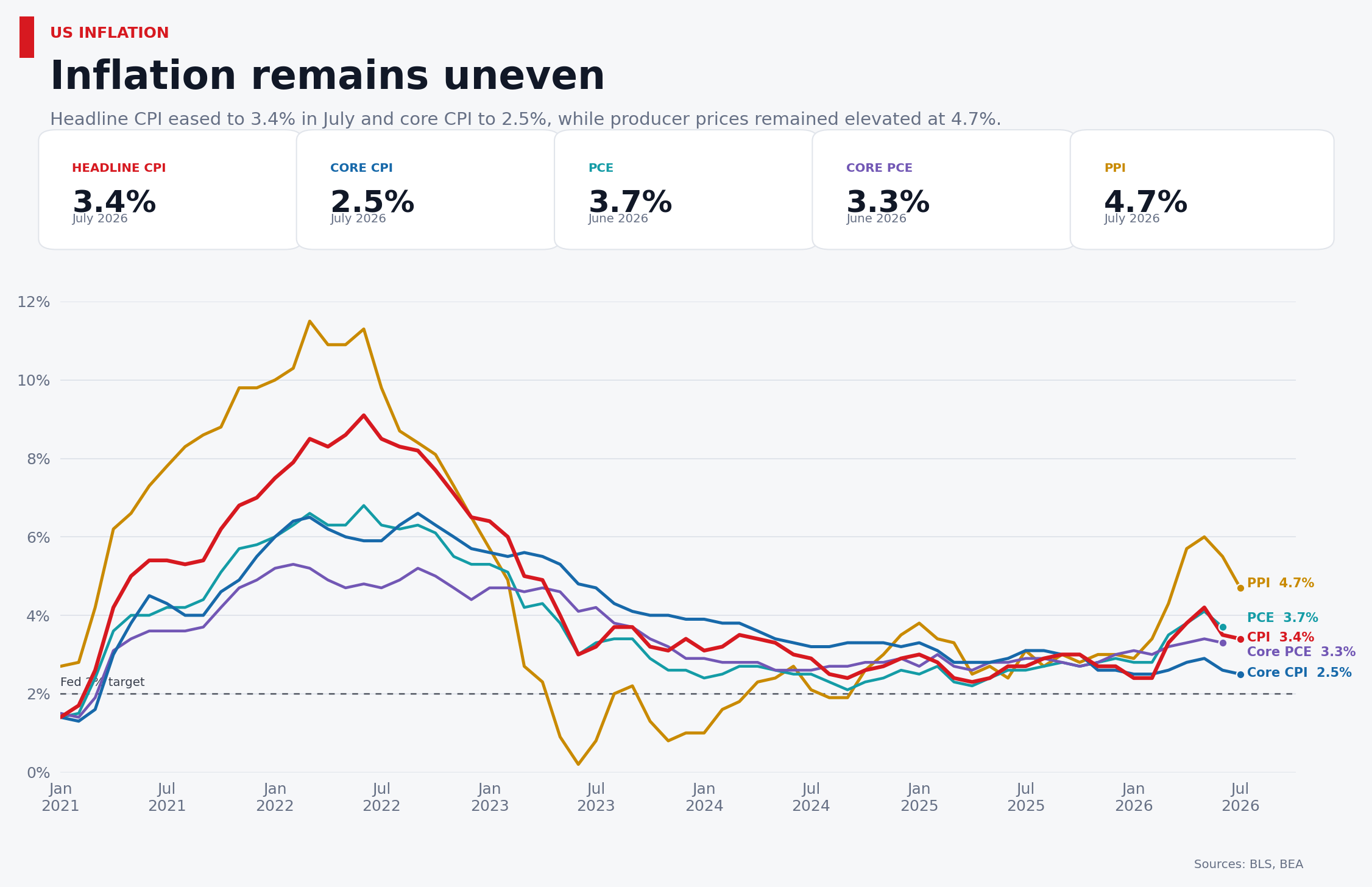
Despite both prints showing some loss of momentum in inflationary pressures, a convincing downward trend looks everything but obvious, and this remains under scrutiny in light of the persistent uncertainty surrounding developments in the Middle East. Indeed, markets do well to navigate a boring consolidative range for now, as some solutions to the conflict may be just around the corner while others seem light-years away.
Digging further into the ongoing weakness around the US Dollar, it is worth recalling last week’s disheartening readings from the July labour market report, all apparently pouring a bucket of cold water into the view of the US “exceptionalism”.
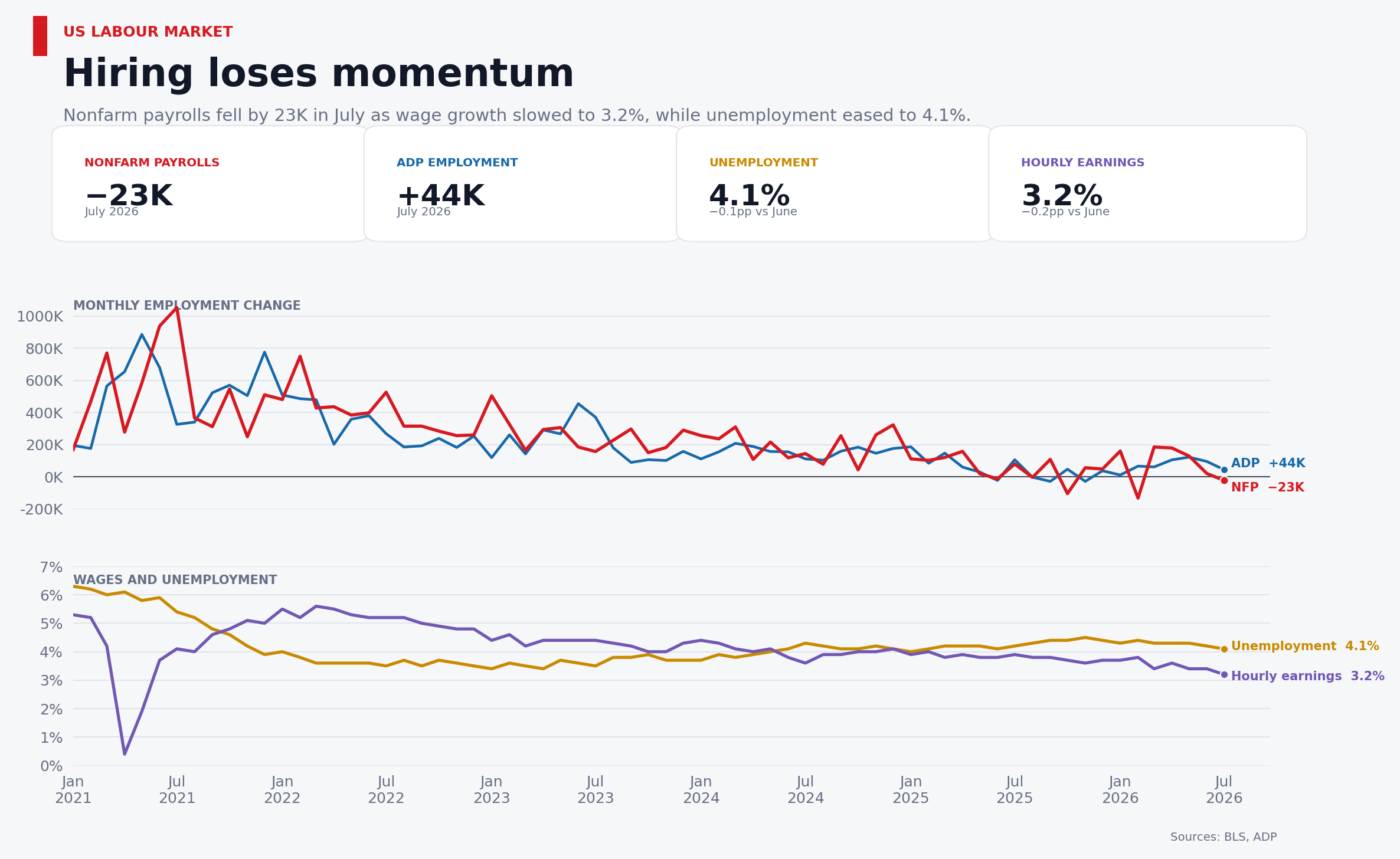
Fed Chair Kevin Warsh has shown no inclination to deviate from inflation, even as evidence mounts that the labour market is losing steam. That’s left investors wondering if the recent softness in employment would be enough to sway the central bank’s policy position.
Markets want to hear the Board
Next week, attention on the US economic calendar will centre almost exclusively on Wednesday’s release of the FOMC Minutes from the July meeting, along with occasional speeches and comments from Fed rate setters.
The last leg of disinflation might benefit the Dollar
The last few months have shown a common problem: it’s one thing to drive inflation down from its top, but it’s proving considerably more difficult to get it back all the way to goal.
That last phase of the disinflation process might turn out to be a key source of support for the US Dollar in the months ahead, especially if markets have been overly optimistic on how soon the remaining price pressures will disappear.
Underlying inflation remains sticky, and predictions that interest rates will stay higher for longer should continue to underpin the Greenback.
Fed FAQs
Monetary policy in the US is shaped by the Federal Reserve (Fed). The Fed has two mandates: to achieve price stability and foster full employment. Its primary tool to achieve these goals is by adjusting interest rates. When prices are rising too quickly and inflation is above the Fed’s 2% target, it raises interest rates, increasing borrowing costs throughout the economy. This results in a stronger US Dollar (USD) as it makes the US a more attractive place for international investors to park their money. When inflation falls below 2% or the Unemployment Rate is too high, the Fed may lower interest rates to encourage borrowing, which weighs on the Greenback.
The Federal Reserve (Fed) holds eight policy meetings a year, where the Federal Open Market Committee (FOMC) assesses economic conditions and makes monetary policy decisions. The FOMC is attended by twelve Fed officials – the seven members of the Board of Governors, the president of the Federal Reserve Bank of New York, and four of the remaining eleven regional Reserve Bank presidents, who serve one-year terms on a rotating basis.
In extreme situations, the Federal Reserve may resort to a policy named Quantitative Easing (QE). QE is the process by which the Fed substantially increases the flow of credit in a stuck financial system. It is a non-standard policy measure used during crises or when inflation is extremely low. It was the Fed’s weapon of choice during the Great Financial Crisis in 2008. It involves the Fed printing more Dollars and using them to buy high grade bonds from financial institutions. QE usually weakens the US Dollar.
Quantitative tightening (QT) is the reverse process of QE, whereby the Federal Reserve stops buying bonds from financial institutions and does not reinvest the principal from the bonds it holds maturing, to purchase new bonds. It is usually positive for the value of the US Dollar.
Author

Pablo Piovano
FXStreet
Born and bred in Argentina, Pablo has been carrying on with his passion for FX markets and trading since his first college years.