|

USD tries to stabilise

USD/CHF grinds support

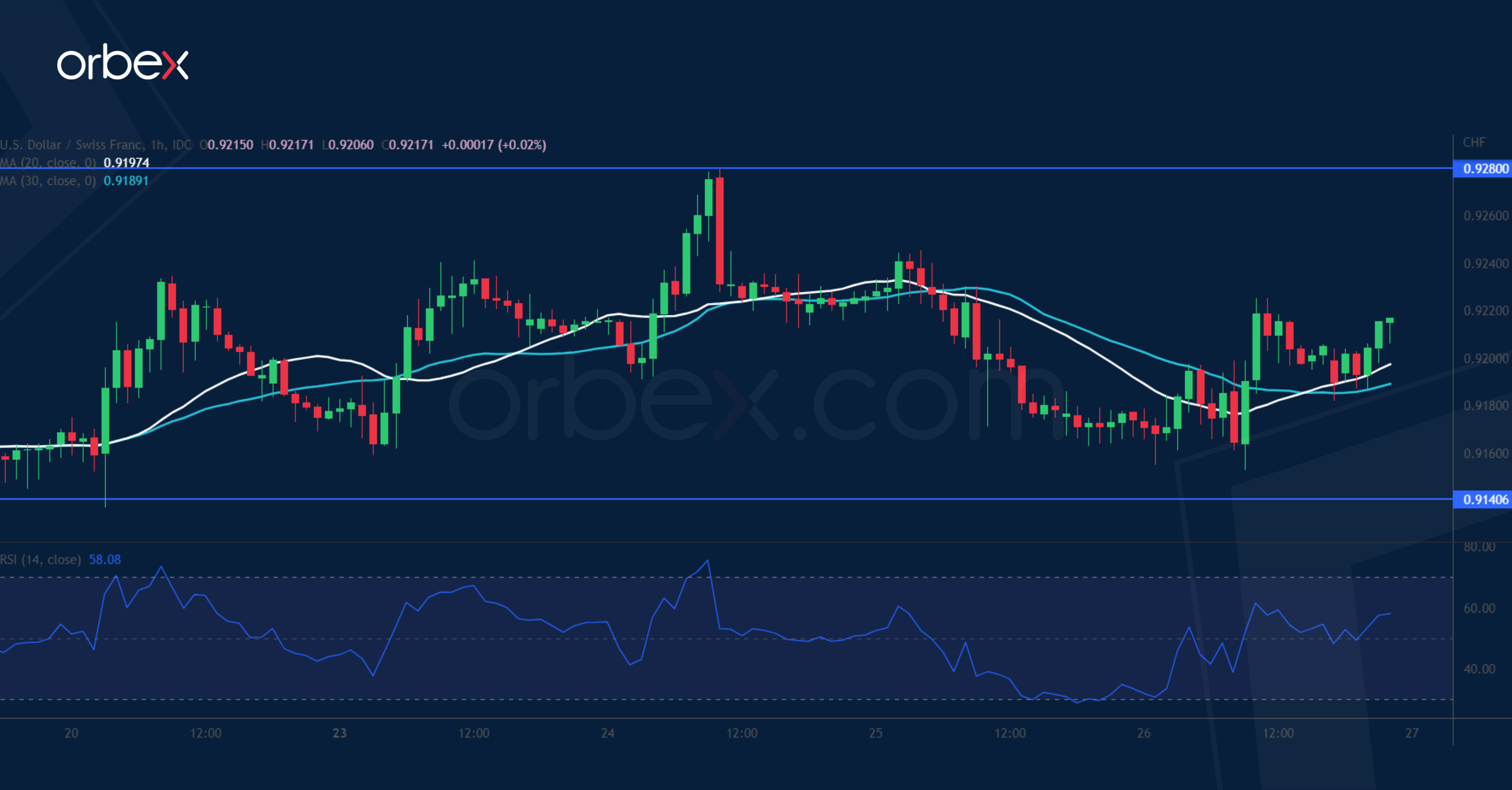
The US dollar builds a base ahead of the Fed rate decision next week. An initial pop above 0.9240 has prompted short-term sellers to cover some of their bets. Though 0.9280 along the 30-day moving average has proven to be a tough level to crack for the time being. 0.9140 at the base of the recent momentum is a key support to keep the rebound intact. Its breach could trigger a new round of sell-off and push the greenback below January 2022’s low (0.9100), confirming a bearish continuation in the process.
Chart

EUR/JPY looks to breakout

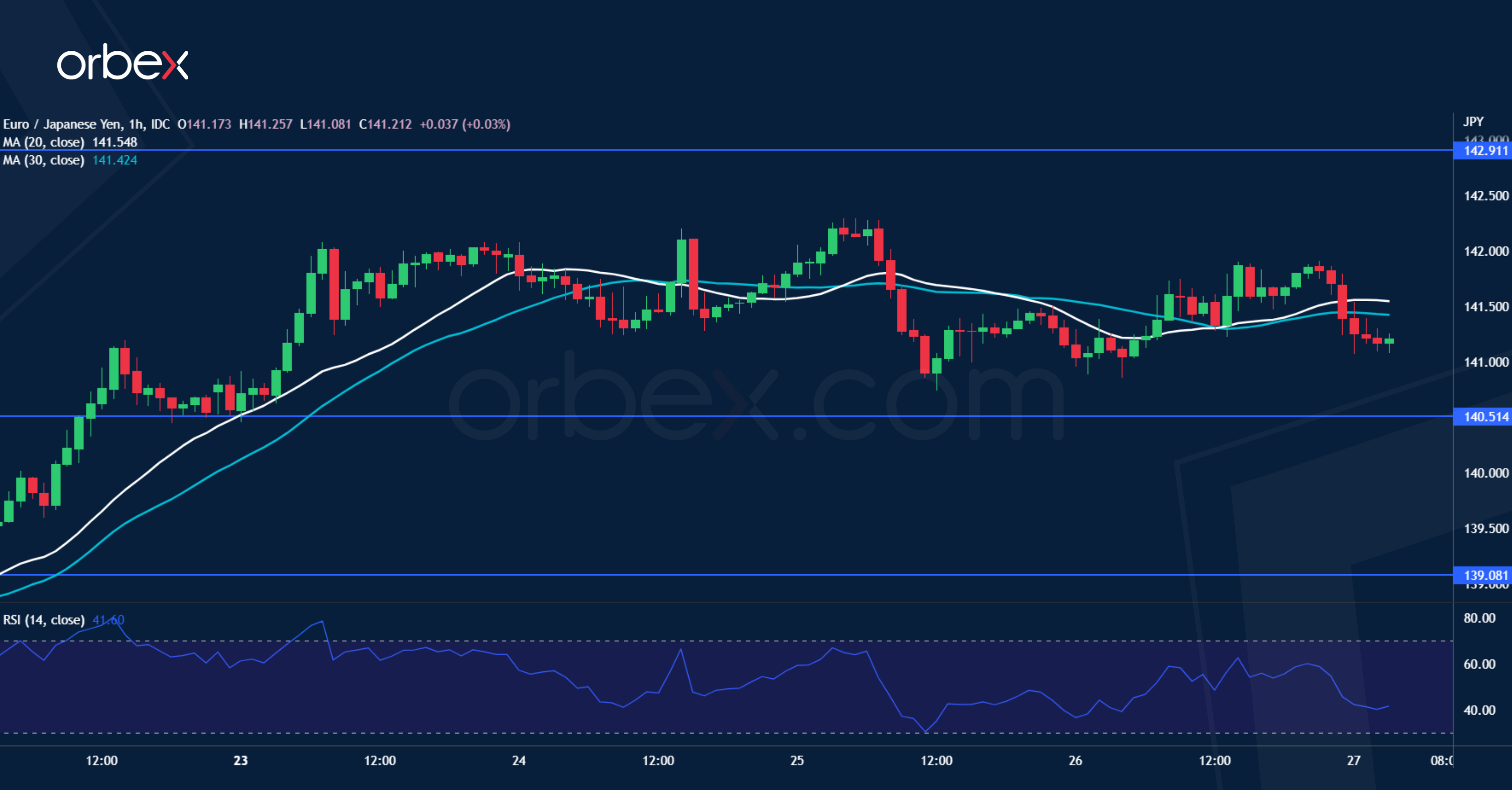
The Japanese yen strengthened after Tokyo CPI beat expectations. On the daily chart, the pair is in a horizontal range between 137.60 and 142.90 as it tries to keep the uptrend intact in the medium-term. Recent jitters have found support above 140.50, which is essential to keep intraday buyers committed. A break above the upper band at 142.90 would flush the remaining sellers out and propel the pair above 144.00, putting the euro on a bullish extension. A bearish breakout would send the pair to 139.00.
Chart

S&P 500 breaks resistance

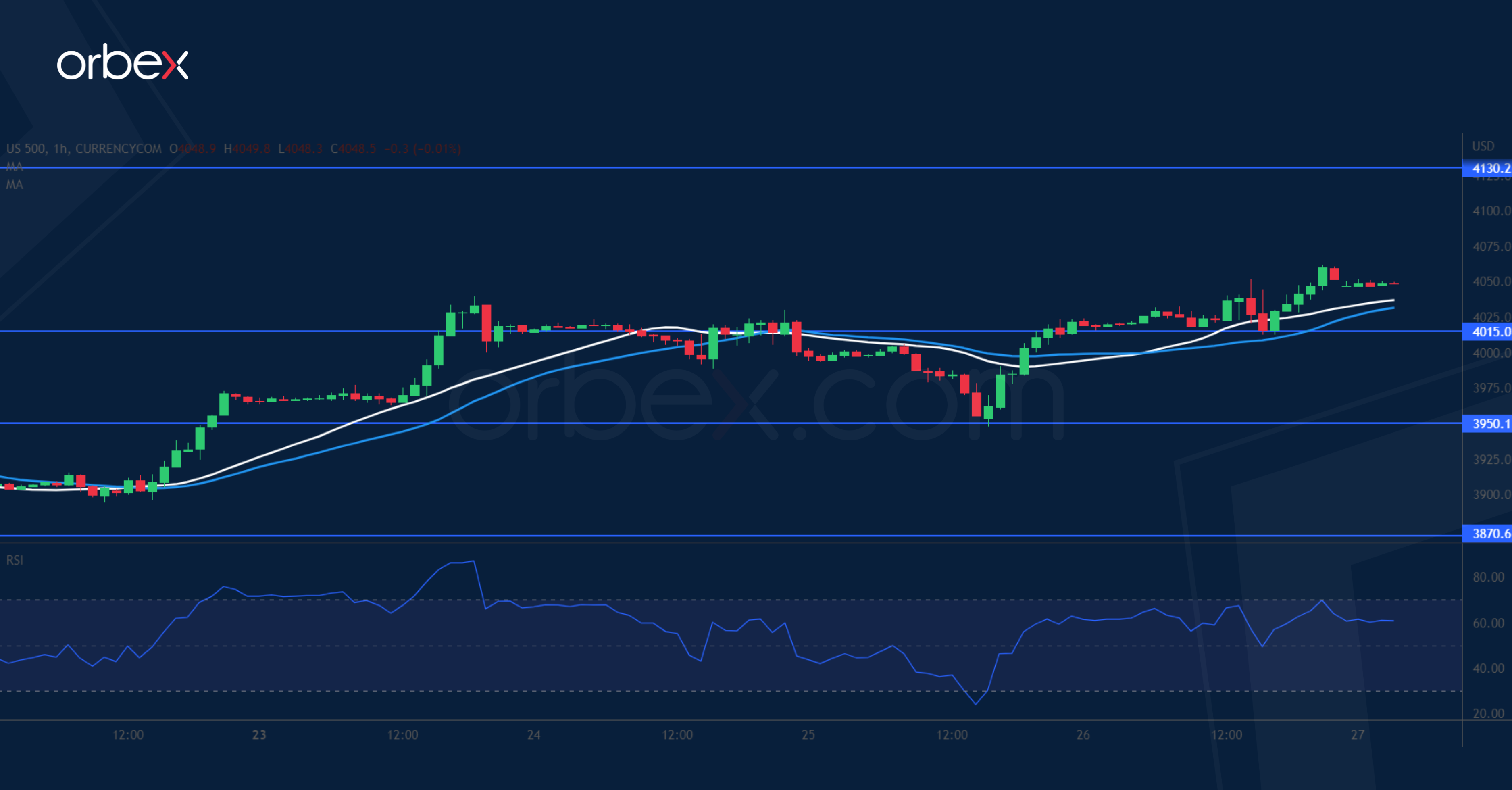
The S&P 500 rallies as upbeat US GDP eases fears of an economic downturn. On the daily chart, a close above the psychological level of 4000 and a bullish MA cross suggest that sentiment could be turning around. A break above 4050 from the start of the mid-December liquidation indicates solid buying pressure. Its breach would carry the index to the recent spike at 4130, leaving 4015 as a fresh support. Further down, the confluence of the swing low 3950 and the 20-day moving average is a key level to maintain the recovery.
Chart

Author

Jing Ren

Jing-Ren has extensive experience in currency and commodities trading. He began his career in metal sales and trading at Societe Generale in London.


More from Jing Ren
Share:

Editor's Picks

GBP/USD defends 1.3300 after strong UK PMI data

Following Thursday's sharp decline, GBP/USD clings to small gains above 1.3300 in the American session on Friday, supported by the upbeat UK Retail Sales and July PMI data. Nevertheless, the pair's upside remains capped as investors cling to a cautious stance amid a further escalation of tensions in the Middle East. The US July PMI data failed to trigger relevant price action.

EUR/USD remains below 1.1400 after mixed US PMIs

EUR/USD pressures daily lows below the 1.1400 mark in the American session on Friday. Mixed S&P Global PMIs, as manufacturing output contracted while services activity expanded in July, triggered no relevant market reaction. The focus remains in Middle East developments and inflation-related concerns.

Gold reclaims $4,100 os Iran diplomacy hopes temper Fed hike bets and weigh on USD

Gold looks set to build on a modest bullish gap-up opening on Monday, beyond $4,100, as hopes of US-Iran peace talks weigh heavily on crude oil prices, easing inflation fears and tempering Fed rate-hike bets. Moreover, the optimism drags the safe-haven US Dollar away from a one-month top, touched on Friday, and supports the non-yielding bullion. The focus now shifts to the crucial FOMC policy meeting this week.

Week ahead: Fed, BoE and BoJ face inflation test as markets reprice interest rate paths
The US dollar gained against the other major currencies this week amid the escalating tensions in the Middle East as well as US President Trump’s decision to proceed with a new round of tariffs after previously imposed levies expired.
Australian Dollar outlook: Chances of another rally won’t be decided in Canberra, but in Washington

The Australian Dollar rode a rollercoaster in the first half of the year, hitting a four-year high and then correcting. The currency enters the second half with an outlook full of uncertainty due to renewed hostilities in the Middle East, which clouds the inflation outlook and interest rates.

US Dollar mid-year outlook: Exceptional currency, exceptional risks?
The US Dollar enters the second half of 2026 in a markedly different position from a year ago. The King currency has recovered, reflecting persistent US inflation, changing expectations for Fed policy, geopolitical tensions and renewed demand for defensive assets.















