|

USD bounces back

USD/CHF awaits breakout

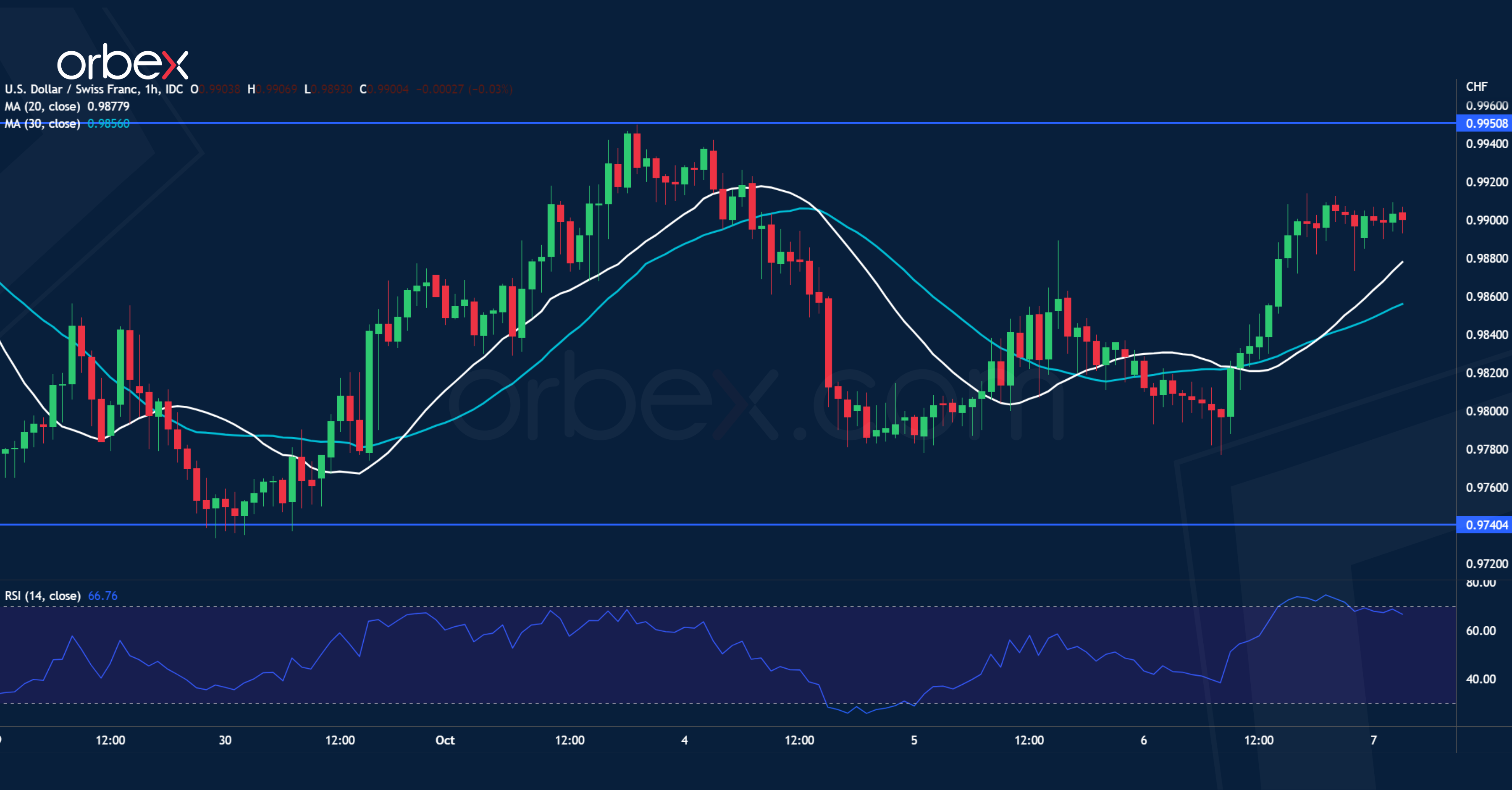
The US dollar bounces higher as traders bet on the Fed to stay on an aggressive tightening course. With the double top (0.9860) now out of the picture, the directional bias remains up as the greenback consolidates its gains over the 20-day moving average. The narrowing range between 0.9740 and 0.9950 could be a sign of accumulation. A bullish breakout would lift offers back to June’s high at 1.0040, a step closer to resume the uptrend in the medium-term. However, a deeper correction would bring the pair to 0.9620.
USDCHF

EUR/JPY seeks support

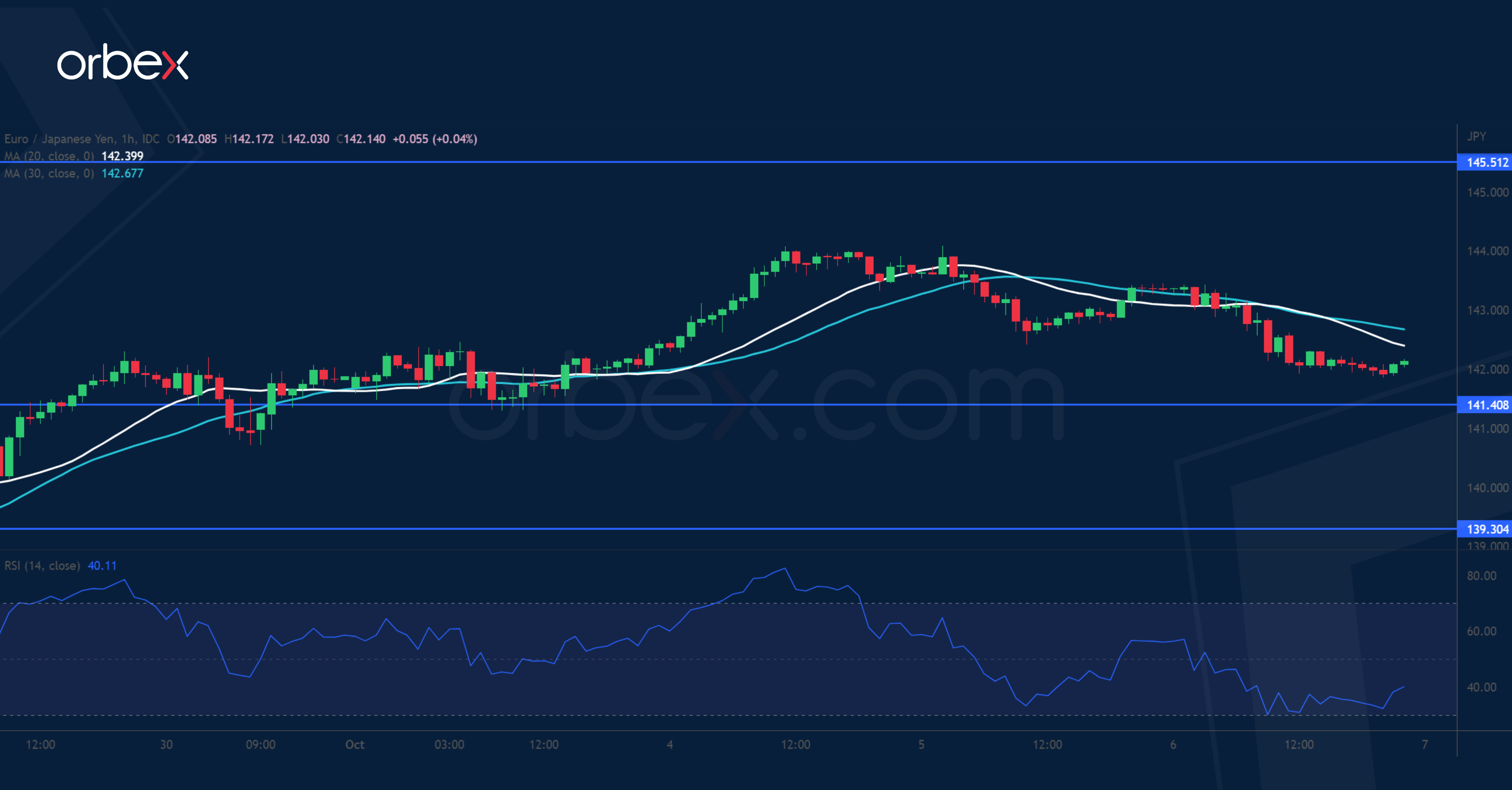
The euro weakened after the ECB minutes showed that a recession was "increasingly likely". A break above 143.50 the origin of a previous liquidation has prompted sellers to cover their bets. This is an indication of strong interest in maintaining the euro’s lead. As the RSI drops back to the neutral area, the former supply zone around 141.40 is the first level to gauge follow-up bids. A bounce would carry the single currency to the recent peak at 145.50. Otherwise, the pair may drift towards 139.30.
EURJPY

S&P 500 attempts to bounce

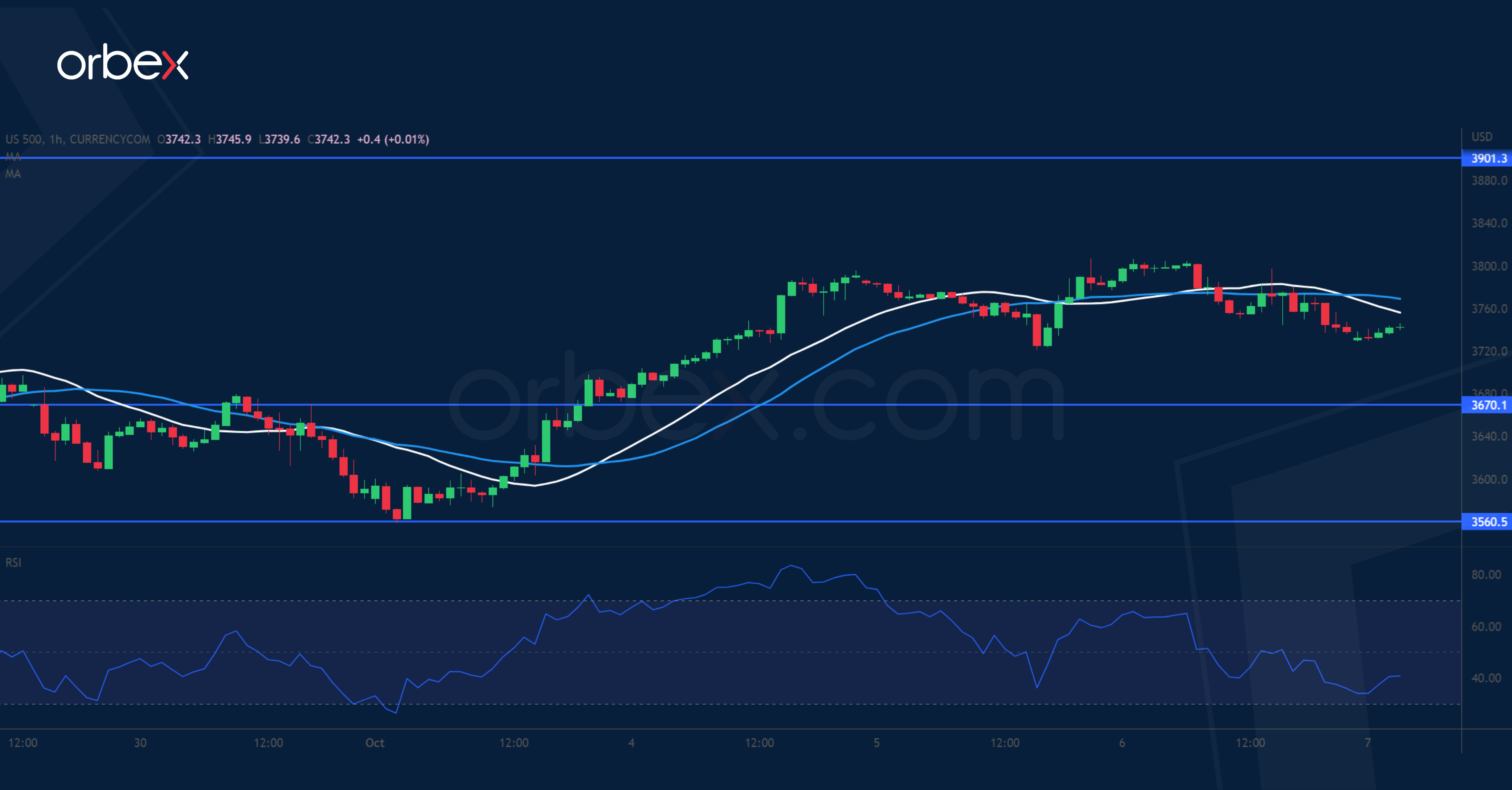
The S&P 500 treads water ahead of the nonfarm payrolls report in September. The index has been looking to claw back some losses after its drop below the critical floor at 3750. Sentiment remains downbeat though there could be short-term opportunities in the current recovery. A rally above 3670 has eased the selling pressure, turning it into a fresh support. 3900 is a major hurdle where the bears could be expected to double down. The bulls will need to clear this supply area before a rebound could gain traction.
S&P 500

Author

Jing Ren

Jing-Ren has extensive experience in currency and commodities trading. He began his career in metal sales and trading at Societe Generale in London.


More from Jing Ren
Share:

Editor's Picks

AUD/USD keeps range near mid-0.7100s as USD bulls await US CPI

AUD/USD steadies near mid-0.7100s in the Asian session on Friday, stalling the previous day's sharp decline to an over one-week low. The August PPI report reaffirmed Fed rate-hike bets and boosted the US Dollar on Thursday, which weighed heavily on the pair. However, hawkish RBA expectations limited losses for the Aussie as USD bulls now await the release of the US consumer inflation figures before placing fresh bets.

USD/JPY holds lower ground toward 154.00; looks to US CPI

USD/JPY holds lower ground toward 154.00 in the Asian session on Friday after hot Japanese PPI data bolster a more hawkish BoJ repricing and provide fresh impetus to the Japanese Yen. However, the downside appears capped as the US Dollar preserves overnight gains ahead of the latest US consumer inflation data.

Gold: Gains remain capped by $4,400

Gold regains composure and trades with decent gains on Friday, managing to refocus attention on the $4,440 mark per ounce troy. Therefore, the precious metal reverses Thursday’s decline as the US Dollar alternates gains with losses at the end of the week.

Ripple Price Forecast: XRP extends decline as returning ETF inflows fail to lift outlook
Ripple (XRP) falls below $1.33 on Friday, marking the third consecutive day of declines. The token continues to track the broader cryptocurrency market downturn, with investors closely monitoring heightened macroeconomic uncertainty ahead of the United States (US) Consumer Price Index (CPI) release and next week’s Federal Reserve (Fed) monetary policy decision.
Weekly focus – The hawks set the tone
Risky assets came under pressure this week as energy prices kept creeping higher and the ECB surprised the markets with a hawkish tone. The price of Brent crude touched USD 110 per barrel on Thursday night, highest since mid-May, as news emerged that the Yemeni Houthis had reached control of key port cities and islands near the Bab el-Mandeb strait.
Venezuela’s 65-billion-barrel Oil deal could reshape America’s inflation fight
The United States (US) has secured unprecedented access to part of Venezuela’s vast Oil reserves. The timing is particularly significant as the war with Iran is disrupting Middle Eastern supplies, keeping energy prices elevated and reviving concerns about inflation.















