US Federal Reserve cuts rate without waiting for the next meeting


US stock market participants did not appreciate the Fed rate cut
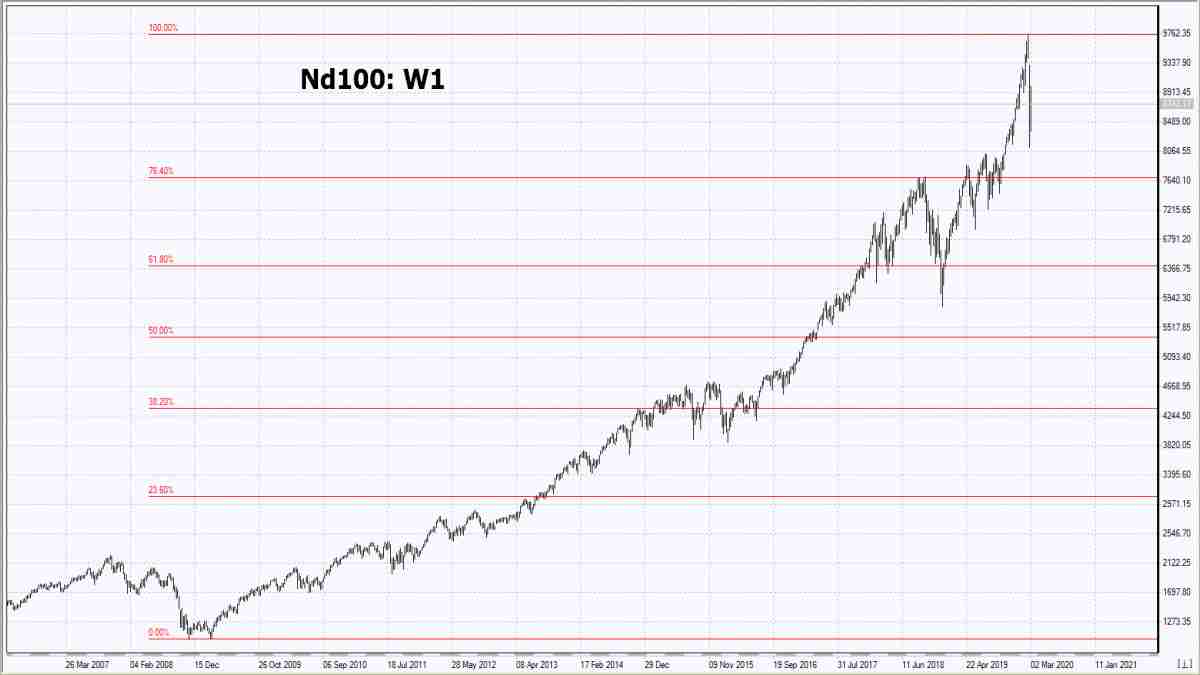
On Tuesday, US stock quotes fell. The US Federal Reserve cut the rate straightaway by 0.5% (from 1.75% to 1.25%) in order to support the economy affected by the coronavirus epidemic. As a rule, in such cases, stock indices rise, as low rates reduce the credit burden of corporations and increase the investment and dividend attractiveness of stocks. This time it didn’t happen. Investors so far doubt that the activity of the Fed can actually restore economic growth. The American regulator, for the first time since the crisis of 2008, was forced to cut rates without waiting for the official meeting on March 18. The S&P 500 (-2,81%), Nasdaq (-2,99%) and Dow Jones Industrial Average (-2,94%) %) indexes fell. The S&P financials index (-3.7%) was the top loser, as due to the reduction in the rate, banks' profitability may decrease. The IT index lost 3.8%, while Microsoft shares dropped by 4.8%. Market participants expect coronavirus may cause a decrease in activity of buyers and manufacturers of components from Asia. Current fluctuations in the indices occur on large trading volumes. Yesterday, the turnover of US exchanges amounted to 14.7 billion shares. This is one and a half times more than the 20-day average and more than 2 times higher than the January-December average turnover. Labor market data from the independent ADP agency for February and the ISM Non-Manufacturing / Services Composite index of business activity will be published Today in the US. Market participants expect the Bank of Canada to reduce the rate from 1.75% to 1.5% at the upcoming meeting. The ICE dollar index stopped falling near a 5-month low. Investors are trying to evaluate the effect of rate cuts on the US economy and balance of payments.
European stocks rise today
European stocks fell yesterday. There weren’t any particular negative factors in the EU that could affect the markets. Investors just followed the falling US stock indices. Today they concluded that lowering rates would support corporations. The US Federal Reserve was the first of the central banks G7 to cut the rates. Investors now suppose all other regulators to lower rates, including, of course, the ECB. Such opinions move European stock indices upward today. Noticeable, that futures for US indices are also in the black. Today, January retail sales data for Germany were published, which turned out to be positive. Investors expect retail sales data for the entire Eurozone. They will be released later and may also exceed the forecast (+ 1.1% year-on-year). The EUR/USD rate stopped growing as chances of lowering the ECB rate increased.
Nikkei is growing along with other indices today
Asian indices today traded without a single trend. The Shanghai Composite Index added 0.63%, while the Hang Seng Index fell 0.24%. The former vice president Joe Biden’s victory in the "primaries" of the US Democratic Party provided minor support for global markets. Nikkei stock index upsurge was symbolic (+ 0.08%). Shares of Japanese banks fell amid expectations of an overall rates reduction in G7 countries. Shares of Japanese exporting companies went down due to an unexpected strengthening of the yen to a 5-month high against the US dollar. The yen was previously considered a protective asset against the backdrop of the coronavirus epidemic in Southeast Asia. Today, Japan ranks fifth in terms of the number of cases (about 300 people).
Brent managed to gain a foothold above the psychological level of $ 50 per barrel
Brent futures quotations increased after the recommendations of the OPEC+ technical committee to reduce oil production by 1 million barrels per day. Together with the current production restrictions, the total reduction in this case will amount to 2.1 million barrels per day. The decision will be made at the OPEC + meeting scheduled on March 5-6, 2020. Brent and WTI collapsed by about 27% from their January peaks which, of course, does not satisfy oil-producing countries and requires limited production. The drop in oil prices is determined by a decrease in the global business activity and in demand due to the coronavirus epidemic.
Want to get more free analytics? Open Demo Account now to get daily news and analytical materials.
Want to get more free analytics? Open Demo Account now to get daily news and analytical materials.
Author
Dmitry Lukashov
IFC Markets
Dimtry Lukashov is the senior analyst of IFC Markets. He started his professional career in the financial market as a trader interested in stocks and obligations.