Trump’s 30-day war: Yemen, optics, and the art of the offramp
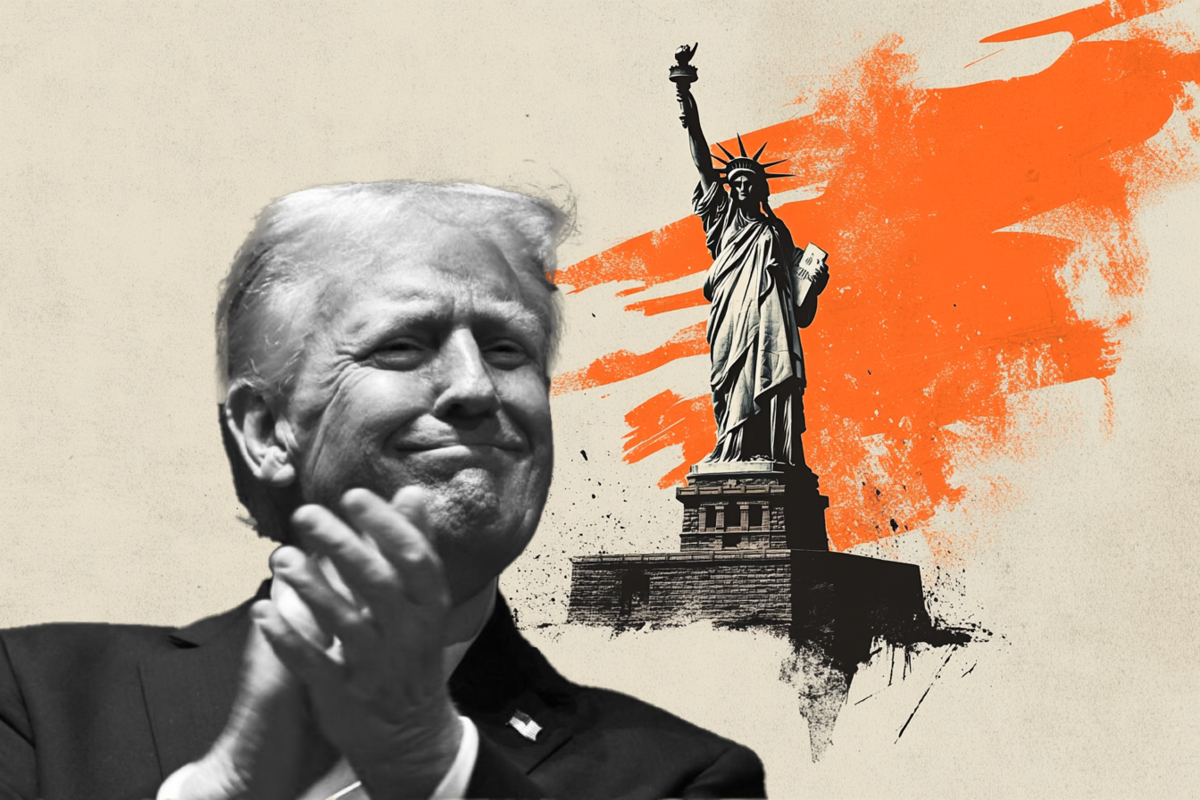

In a deep-dive report this week, five New York Times journalists unraveled President Trump's abrupt claim of victory against Yemen’s Houthi militia, painting a nuanced picture of strategic miscalculations, geopolitical considerations, and hurried exits.
The story begins with CENTCOM chief General Michael Kurilla's recommendation for an extensive eight- to 10-month air campaign designed to systematically dismantle Houthi air defenses before carrying out targeted assassinations, mirroring Israeli tactics. Trump, however, insisted on compressing this timetable to just 30 days—an unrealistic expectation given the Houthis' entrenched air defense capabilities, underscoring a serious underestimation or political impatience at the highest level.
Consequently, the abbreviated campaign quickly faced significant setbacks. The U.S. failed to establish air superiority, losing several MQ-9 Reaper drones and exposing an aircraft carrier to sustained threats. The staggering $1 billion in expended munitions in a mere month intensified divisions within Trump's administration, notably worrying Joint Chiefs Chairman General John Caine, who saw this costly distraction as undermining strategic resources vital for the Asia-Pacific theater.
Facing spiraling strategic and operational costs, Trump seized upon Oman's diplomatic overture as a "perfect offramp." Omani officials, leveraging their diplomatic clout, proposed a cessation of hostilities—halting U.S. bombings if the Houthis ceased targeting American, but notably not Israeli-friendly, vessels. This development highlights Oman's influential, albeit understated, role in regional diplomacy.
Two alternative scenarios had been on the table: a ramped-up military campaign with symbolic "freedom of navigation" exercises, or intensifying support for local Yemeni proxies in a renewed northern offensive. Both were ultimately discarded following a cascade of damaging events, including another U.S. jet loss, a controversial strike killing Yemeni migrants, and a Houthi missile strike on Israel’s Ben Gurion Airport.
The NYT journalists' insights lead to several critical takeaways:
Firstly, Houthi-controlled North Yemen's demonstrated resilience and strategic capability affirm its status as an established regional power, undeterred by prolonged Saudi-led military efforts. Trump's limited 30-day campaign thus appears fundamentally flawed from inception.
Secondly, Trump's decision-making either lacked informed military counsel or was driven by ulterior political motives, given the impossibility of rapidly neutralizing the Houthis.
Thirdly, despite Trump's noted preference for optics, his quick withdrawal when risks and costs surged indicates pragmatism over ego, setting a significant precedent. This suggests Trump may similarly recalibrate strategies, including potentially in Ukraine, if perceived costs outweigh benefits.
Fourthly, Trump's receptiveness to diplomatic offramps from friendly intermediaries such as Oman illustrates his willingness to pivot from entrenched positions under certain diplomatic conditions—a crucial insight for the ongoing Ukrainian crisis.
Finally, the overriding strategic concern remains China. Trump's decision to conserve military resources for Asia signals prioritization of this broader geopolitical contest. Similar resource allocation concerns could profoundly impact his posture toward Ukraine, especially if influenced by Gulf states acting as intermediaries.
Applying these lessons to Ukraine, the NYT analysis suggests Trump could initially escalate U.S. involvement if peace negotiations collapse, only to subsequently reverse course if strategic advice or diplomatic interventions present themselves as viable offramps. Given the potentially dire stakes, especially involving Russia’s nuclear capability, timely and creative diplomatic proposals from influential peace-seeking nations may be pivotal.
Trump's Yemeni episode, meticulously dissected by the New York Times, stands as a cautionary tale of hastily planned military interventions, underscoring the critical importance of strategic foresight, diplomatic agility, and clear-eyed assessments of geopolitical priorities.
Author
Stephen Innes
SPI Asset Management
With more than 25 years of experience, Stephen has a deep-seated knowledge of G10 and Asian currency markets as well as precious metal and oil markets.

















