Trade winds and champagne skies, will the Euro catch a bid from Lagarde's sparkle ?

Markets are basking in a rare spell of synchronized sunshine—global equities, yields, and sentiment all catching a lift from the trade winds blowing out of Washington. The freshly signed US-Japan tariff truce has set the tone, and traders are already betting Brussels will be next in line for a similar handshake—possibly under the same 15% ceiling. That whisper alone has been enough to shift positioning, like sailors trimming the sails ahead of a wind shift.
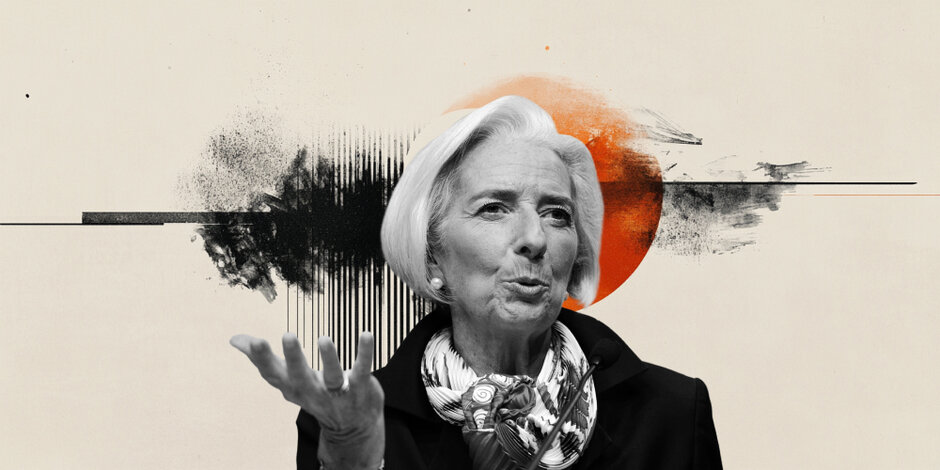
Christine Lagarde added a touch of sparkle to the euro’s trajectory yesterday, striking a tone that felt more like a champagne cork pop than a policy pivot. With inflation now parked right on the 2% target and Lagarde emphasizing the eurozone’s economic resilience, the ECB's easing bias suddenly looks less urgent. For EUR/USD, that shifts the balance: what was once an ECB cap ( Euro too strong) may now act as a springboard, especially if EU data offer more signs of growth.
In contrast, the dollar remains stuck in a tug-of-war between pockets of improving data and a market narrative marred by skepticism about Fed independence. Yet, weekly jobless claims are easing, services PMIs are firming, and housing isn't falling apart—but none of it carries enough weight to chase the dollar bears into hibernation.
USD/JPY’s 150-pip bounce off yesterday’s lows suggests the post-election yen euphoria has run its course. We had been eyeing a move through 148, but that momentum stalled after Bloomberg dropped a headline citing “people familiar with the matter,” claiming the BoJ could hike by year-end. Traders shouldn’t buy it — this is just a rerun of Uchida’s earlier comments. The Deputy Governor already laid out the conditional path: if the BoJ’s forecasts play out, then policy could shift. The real news was his growing confidence post-US-Japan trade deal. Bloomberg’s piece? Pure echo chamber.
There’s no fresh catalyst here — just recycled nuance. The market already has the BoJ pencilled in as cautiously moving toward normalization, but it’s a slow grind: contingent, risk-sensitive, and far from urgent.
And the bigger macro picture hasn’t budged. Japanese political risk is on the rise, with leadership uncertainty and possible snap elections muddying the waters. Not exactly an invitation for long-JPY positioning. On the U.S. side, front-end yields remain anchored — jobless claims may be softening at the margin, but they’re not weak enough to tip Powell into capitulation. He’s still got cover to hold rates steady, even as Trump lurks in the background with a wrecking ball.
Looking ahead, the greenback faces a macro gantlet that’s tighter than a Vegas poker spread: FOMC, PCE inflation, tariff flashpoints, and payrolls all packed into next week. Our base case is still for dollar stabilization on the back of sticky inflation and a slower Fed pivot—but that's a contrarian call in a market where dollar pessimism is the prevailing trade. Near term, DXY may drift between 97.00 and 98.00, but the macro tape will grow increasingly improtant for FX as we go forward.
Author
Stephen Innes
SPI Asset Management
With more than 25 years of experience, Stephen has a deep-seated knowledge of G10 and Asian currency markets as well as precious metal and oil markets.