Trade war 2.0 playbook: What it means for your portfolio?
Key points
-
New tariffs announced: Effective February 4, 2025, the U.S. has imposed a 25% tariff on imports from Canada and Mexico, and a 10% tariff on imports from China and Canadian energy resources.
-
Sector impacts: Industries such as technology, automotive, homebuilding, agriculture, retail, and energy are expected to face varying degrees of cost pressures and supply chain disruptions due to these tariffs.
-
Investment strategies: Investors should consider the potential risks and opportunities within affected sectors, focusing on companies with strong fundamentals and the ability to navigate the evolving trade landscape.
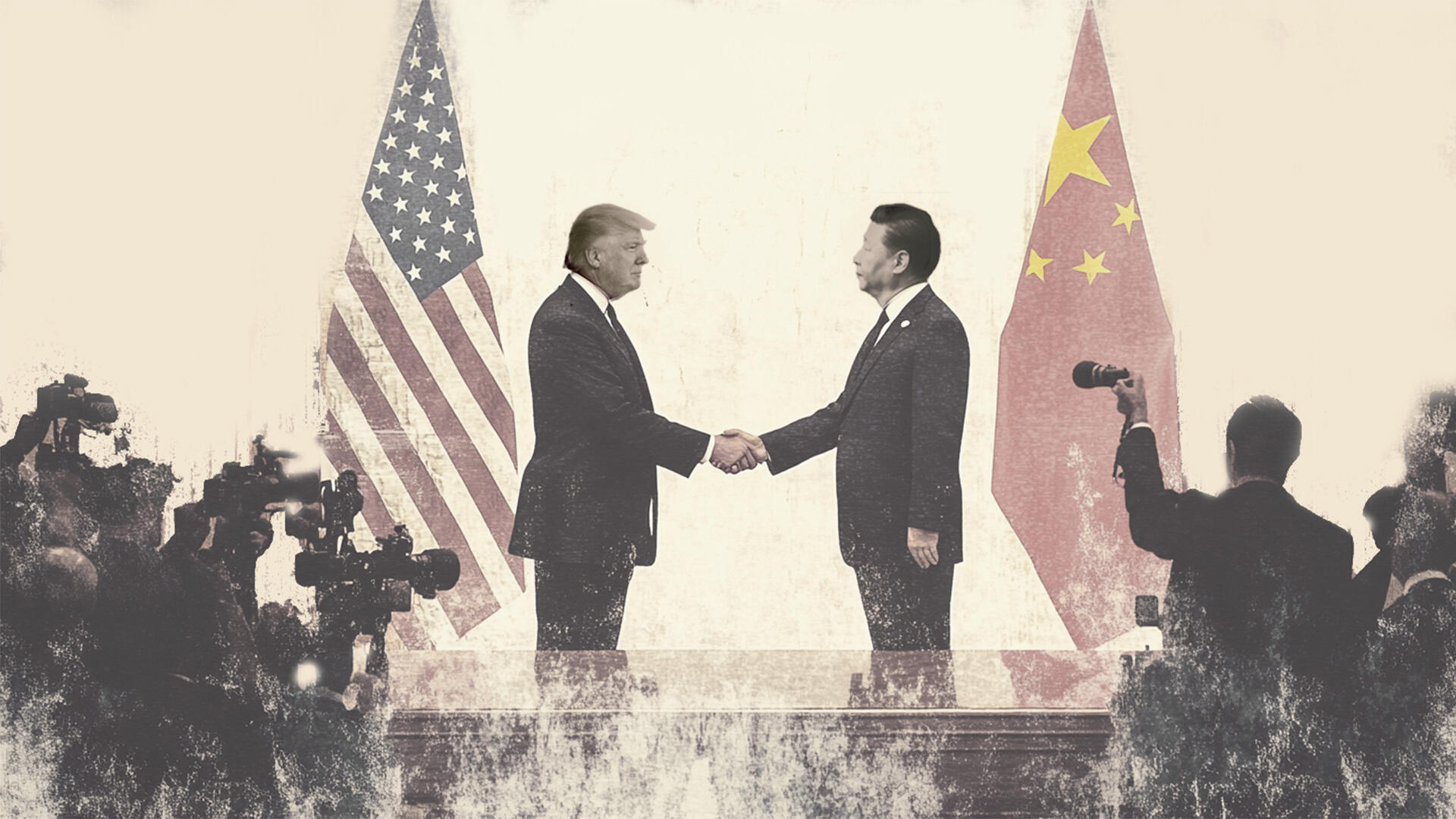
US President Donald Trump has delivered on his campaign tariff threats. He is imposing a 25% tariff — a tax on imports — on all goods coming from immediate neighbours Canada and Mexico, apparently until the countries crack down on drug trafficking and illegal migration into the US. The Trump administration is also placing a 10% tariff ‘above any additional tariffs’ for goods coming from China until it reduces fentanyl smuggling. Some retaliatory measures have also been announced from Mexico and Canada, and China challenge the tariffs at the WTO.
This marks the beginning of Trade War 2.0. For investors, this means it's time to rethink exposure to tariff-sensitive sectors. Some industries will benefit from reshoring and U.S. manufacturing incentives, while others will struggle with higher costs. Let’s break down the playbook.
US exceptionalism offsets near-term risks, but fragmentation risks amplified
Tariffs could initially strengthen the U.S. economy relative to weaker global counterparts, many of which are struggling with sluggish growth, high debt, or fragile currencies, making it harder for them to respond effectively. There could be clear recession threats for Mexico and Canada, while the impact on the U.S. economy will largely depend on wide and how long these tariffs are sustained.
In the near-term, the US economy faces far less headwinds compared to its peers, and safe-haven flows are also likely to be directed towards US-denominated assets. However, the sustainability of this advantage depends on how other nations retaliate and whether US firms can absorb cost pressures.
If tariffs remain in place as a long-term strategy, the risks increase. Companies will be forced to absorb higher input costs, impacting profitability and operating margins. The latest tariffs are also broader and more extreme than those imposed in 2018, suggesting a larger and more persistent drag on corporate fundamentals.
Persistent protectionist trade policies would mean that other nations may reduce their reliance on the U.S., eroding the dollar’s global role. This could mean economic fragmentation on steroids, and weaken the U.S. dominance in the global economy and markets.
Investment take: Identifying risks and opportunities
Technology: Mag 7 bracing for an impact
The 10% tariff on Chinese imports directly impacts semiconductors, consumer electronics, and telecom equipment, increasing costs for U.S. tech firms that rely on Asian supply chains. The Magnificent Seven (MAG 7)—Apple, Microsoft, NVIDIA, Amazon, Alphabet, Meta, and Tesla—face varying degrees of exposure.
-
Microsoft and Meta are relatively insulated, as their core businesses rely on cloud computing, software, and advertising, with limited hardware exposure.
-
Nvidia could face cost pressures from higher semiconductor import prices, but its dominance in AI chips gives it strong pricing power. However worth noting that China’s DeepSeek has threatened Nvidia’s dominance.
-
Apple is the most exposed, with China playing a critical role in its supply chain for iPhones, MacBooks, and other hardware. A 10% tariff on Chinese imports would increase production costs, forcing Apple to either raise prices or absorb margin compression.
-
Tesla is also vulnerable, as it imports batteries and components from China, making its vehicle production costs rise. However, Tesla’s valuation looks at the company at far more than being a car manufacturer.
-
Amazon and Alphabet have some exposure, as they import cloud computing hardware and electronic devices like Kindle and Google Pixel.
-
In addition to the Mag 7, ripples will also be sent across global chipmakers such as TSMC, ASML could also see impacts due to supply chain disruptions.
Autos: The most exposed sector
The U.S. auto industry relies heavily on global supply chains, with major exposure to Mexico, Canada, and China. Tariffs on Mexico, in particular, could be highly disruptive, especially as auto parts go in and out of the US several times before ending up in a finished product. This could mean tariffs not just add to the cost pressures for automakers, but rather multiply it.
Below are some of the sectors and stocks to watch:
-
Automakers like General Motors, Ford, Stellantis, Tesla, Rivian, Lucid could be vulnerable due to increased production costs.
-
Auto suppliers like BorgWarner, Aptiv, Gentex are also exposed.
-
Chinese EV makers like Li Auto and XPeng that seek to expand into the US market will confront tariff challenges.
-
Other European carmakers such as Mercedez, Volkswagen and BMW are also likely to beat risk given their exposure to US market and risks of tariffs extending to Europe as well.
Homebuilders: Higher material costs could slow housing demand
Over 70% of U.S. softwood lumber and gypsum imports come from Canada and Mexico, so tariffs will increase construction costs, potentially reducing housing affordability and slowing new projects. Higher mortgage rates, combined with rising material costs, could deter new home construction. Large-scale developers with pricing power may be able to pass on higher costs, but affordability constraints remain a risk.
Key stocks to watch include:
-
Homebuilders such as Lennar, D.R. Horton.
-
Home improvement product stores such as Home Depot, Lowe’s.
Agriculture: Food inflation and potential retaliation risks
Mexico supplies over 60% of U.S. vegetable imports and nearly half of fruit/nuts, making tariffs an inflationary risk for food prices. U.S. farmers exporting to Mexico and Canada may face retaliatory tariffs, making their products less competitive in global markets.
Stocks at risk:
-
US food companies reliant on Mexico or Canads imports will be on watch. Grocery chains like Kroger may face increased cost for imported produce, while importer of Mexican beer Constellation Brands could also face headwinds. Chipotle Mexican Grill is likely to face higher costs for avocados and other Mexican produce.
-
Agri export competitors such as Brazil exporters could benefit.
Retail: Margin pressures likely
Many retailers rely on low-cost imports from China and Mexico. Tariffs would raise costs, forcing them to either take a hit on margins or pass the costs to consumers.
Stocks on watch:
-
Walmart has a broad exposure to imported goods.
-
Apparel brands like Nike may also be exposed.
-
Discount retailers like Dollar General can benefit if consumer trade-down on inflation concerns.
Energy: US Oil refiners struggle
Canada supplies over 50% of U.S. crude oil imports, and the 10% tariff could shift demand toward U.S. producers.
-
U.S. refiners like Chevron, ExxonMobil, Phillips66 and Valero Energy could face pressure as they might struggle to replace imported crude oil with U.S. oil
-
Meanwhile, Canadian energy firms, particularly those exporting to the U.S., will face pricing pressure and potential supply chain bottlenecks.
-
The U.S. also buys natural gas, electricity and uranium for nuclear power plants from Canada.
-
Renewable energy firms reliant on Chinese imports (First Solar, Enphase, Sunrun) could also be at risk.
Portfolio strategy
Ignore the noise, focus on fundamentals
Short-term volatility is inevitable, but investors should prioritize long-term growth trends over reactionary trades. Quality companies with strong domestic revenue, pricing power, and resilient business models tend to manage through such headwinds. Investors could consider high dividend-paying stocks in defensive sectors such as consumer staples (eg. P&G, Coca-Cola) or even financials (eg. JP Morgan) and healthcare (eg. Eli Lilly).
Diversify – Tariffs create winners and losers
Trade policy can impact different sectors in unpredictable ways, which is why diversification remains one of the best risk-management tools. A well-balanced portfolio might include both growth and defensive names in the US, but investors could also look to diversify to other regions and include inflation hedges such as commodities, real assets and TIPS in their portfolios.
Stay agile
Long-term investing doesn’t mean set it and forget it – it means sticking to a strategy while making thoughtful adjustments when needed. If tariffs rise, consider rebalancing toward domestic-facing stocks if trade disruptions hit global earnings, adding inflation-protected assets if tariffs push up prices or even increasing exposure to long-term growth trends like AI, automation, and infrastructure.
Position for long-term structural growth
Despite tariff-driven uncertainty, investors should focus on secular growth themes that transcend political cycles.
Read the original analysis: Trade war 2.0 playbook: What it means for your portfolio?
Author

Saxo Research Team
Saxo Bank
Saxo is an award-winning investment firm trusted by 1,200,000+ clients worldwide. Saxo provides the leading online trading platform connecting investors and traders to global financial markets.