The importance of investment research preparation before actual research and a postion

Investing should be more than just the numbers. Yes, the overall goal is creating wealth, so do not take it too literally but, this does not mean it should be done without objectives. There are many important aspects to making solid investment decisions, having solid risk management is one of the most important aspects, of which there is no doubt. And the way that people make these decisions is usually measured by their growth in wealth, regardless of how it is done.
I regularly say ‘everyone trades differently because everyone has a different personality’ meaning that the observations we make are almost always different to the next. You can fill a room with professionals, and they will all have a different interest in the market, a different strategy, a different risk profile, and different experiences.
For me there is one aspect that I firmly believe in, and that is to invest in your interests, and to then research, research, research and even then, do more research, before dropping the dollars in.
I am giving a hypothetical situation as an example in this description but let’s assume you are an investor who is interested in environmental factors and you decide to invest morally in the ESG (environmental, social, and governance (ESG) related companies) space.
No problem there, its admirable of you to support your beliefs. Now let’s say you decided to focus on publicly listed tech companies that were doing R&D or nearing completion of a new maximum efficiency solar panel that could change the world. Sounds amazing, why wouldn’t you invest right? Well for me you have only researched the social side of the investment.
The importance of researching means that had you dived a little deeper you may have discovered that historically, solar manufacturers have not had a great record of being entirely honest with fraudulent activities and of course in many instances the product is so expensive to manufacture that it never gets off the ground. Meaning the cash you dropped is likely not going to net a return, I am not having a dig at environmental or solar manufacturers, simply setting the stage for understanding.
The questions that need to be asked before spending time on critical research need to be:
- Is it desirable?
- Is it feasible?
- And most importantly is it viable?
These questions can really be applied to anything, they are certainly used in start-up, and innovation circles quite commonly, so why not in other investments? I employ these questions as part of my professional practice, amongst others.
After establishing the yes and no answers to those questions, digging deeper into the research also becomes more desirable, feasible and viable. I know I said it again, just pointing out how you can use it anywhere. But seriously, independent research is time consuming and it can be expensive so to help those of you getting started, try out those questions before you drop the cash in.
As a more current example to get you started consider firstly that you are interested in Amazon.com Inc, and willing to invest.
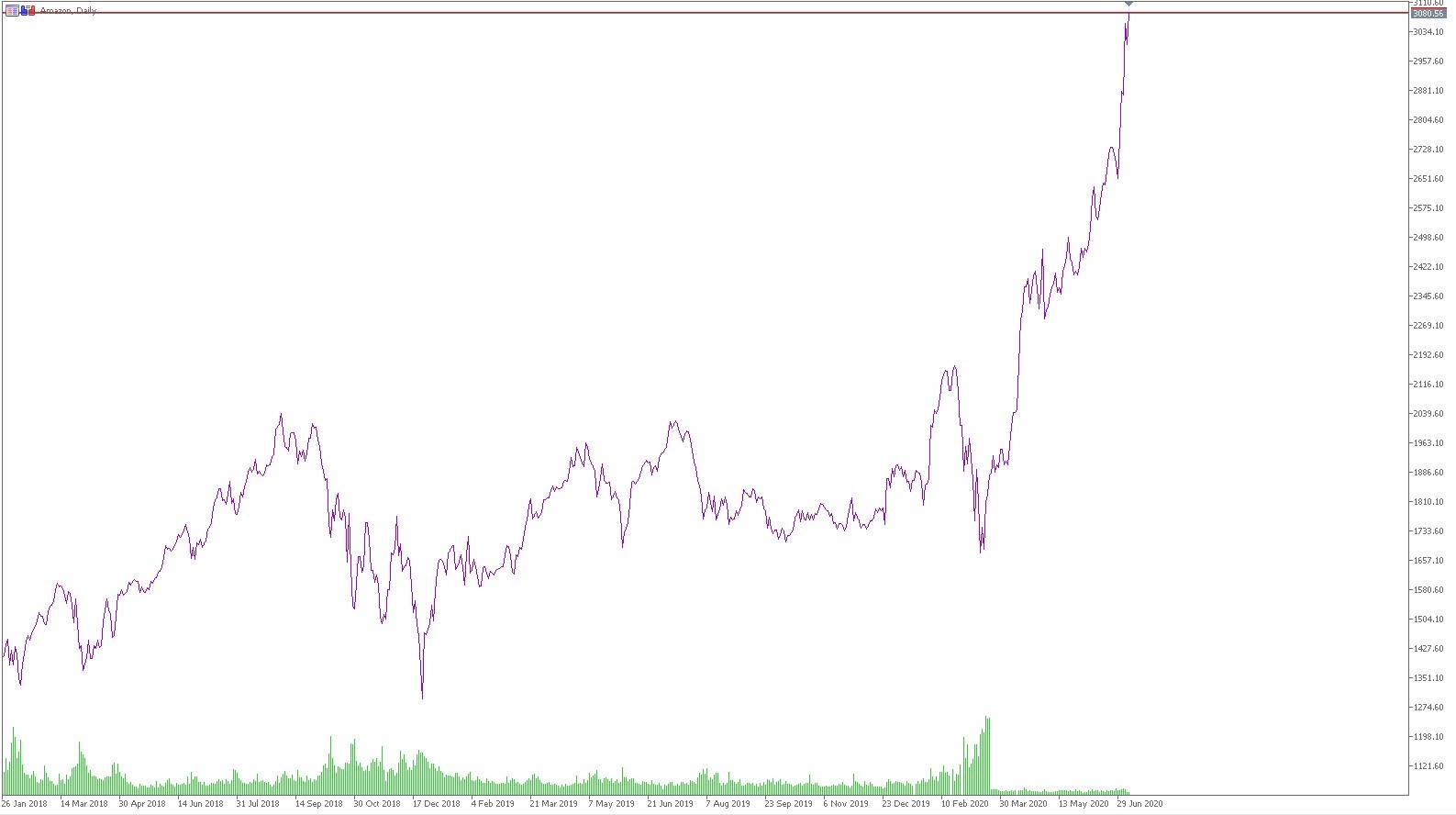
Amazon Inc (AMZN.US) Daily Chart
Currently at the time of writing the price is $3,094, the ESG score is 34, the market cap is $1.32 trillion, and their earnings per share is down while the stock price has risen, and no advice for financials in 2020 will be given.
Now that you have the base line, what are your thoughts on desirability? feasibility? and viability? Is it worth your time digging deeper into research to then consider a position?
Author

Alistair Schultz
Independent Analyst