The Fed policy meeting tonight stands at the center of attention

Markets
The mood in equity markets further improved yesterday. The Nasdaq printed its third consecutive gain, bringing the tally since Friday at 2.4%. Gains for the Philadelphia Semiconductor index – the AI sentiment gauge – accumulated to more than 8%. It suggests AI spending and financing concerns have at least temporarily moved to the background. Earnings releases from Microsoft and Alphabet (after-market) serve as the next critical benchmarks. In a daily perspective it supported the US dollar. Such strengthening during risk-on breaks traditional correlation but is at least partially be explained by the vast exposure of the US economy to the topic. Anyway, EUR/USD fell half a big figure from 1.1174 to 1.1125 in a drawn-out drop throughout the day. Asian trading this morning brings the pair virtually at the 1.1113 YtD low and it looks like a break lower won’t even have to wait on a hawkish Fed later today (cfr. infra). EUR/GBP similarly tested the October multiyear troughs near 0.863. Impressive pound strength is, amongst others, the result of investor confidence in PM Burnham’s fiscal agenda, prompting a decline in risk premia. It is now up to the finance minister to translate that hoped-for budgetary restraint in actual policy in the much-anticipated Autumn Budget later today. Core bonds yesterday were little changed on the day. Bunds (-0.2 to -2.4 bps) outperformed vs. Treasuries (+0.5 to +2 bps) with a small easing in energy prices offering some support. Both Brent ($116) and natural gas (TTF €98) resume their upward trend again this morning though. They are significantly above the ECB’s assumptions for the adverse scenario.
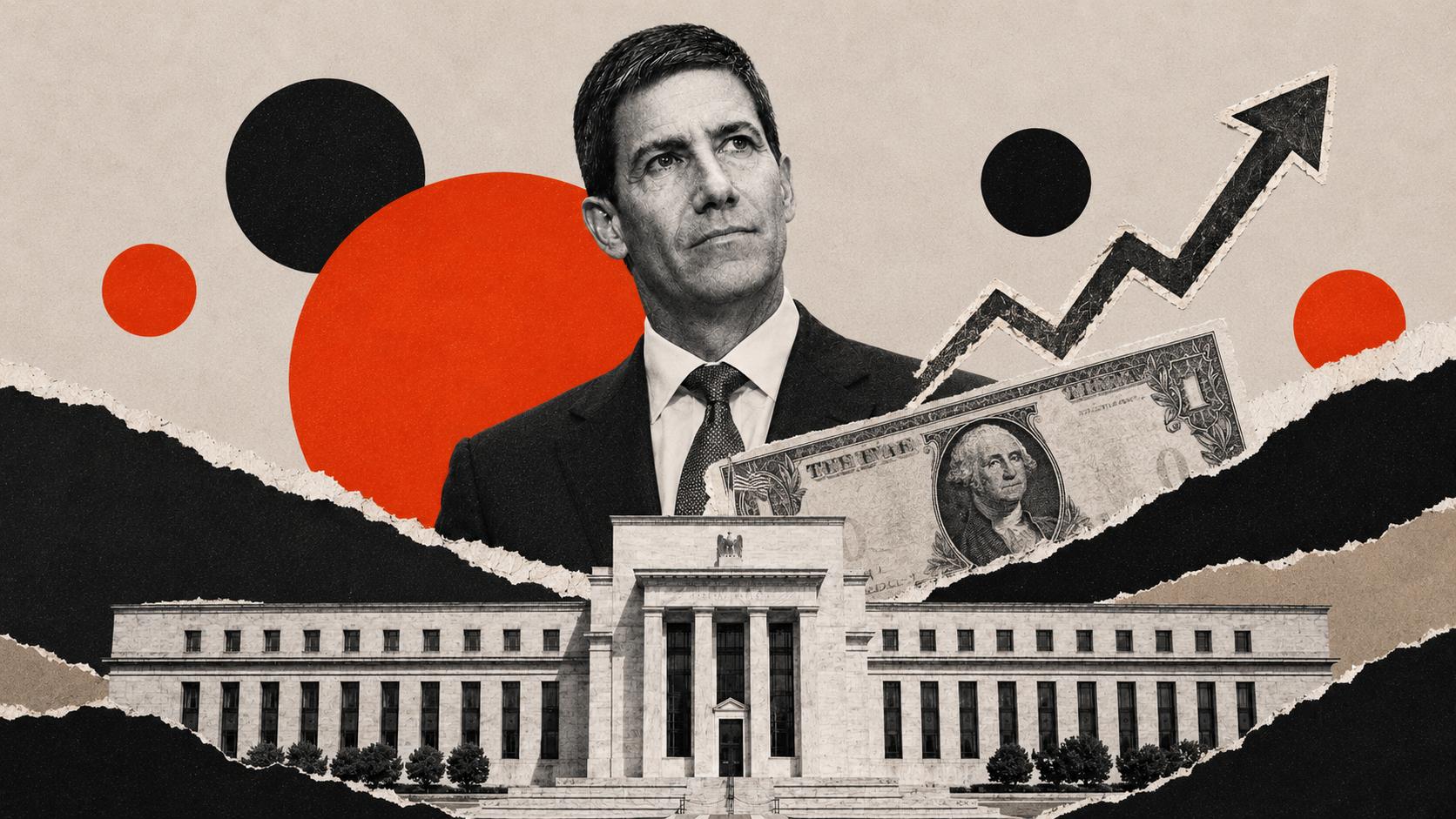
The Fed policy meeting tonight stands at the center of attention. Money markets swapped growing expectations for a back-to-back October rate hike for the status quo at 3.75%-4% in the wake of several (high-profile) policymakers pushing back. The likes of Governor Waller said there’s no rush. Since the below-consensus (but statistically quirked) August PCE’s and sub-par September payrolls the deal was virtually sealed. The more recent data flow however, which included September CPIs (quickening to 3.7% headline & 2.6% core) and October PMIs (which put the US economy on the strongest growth spell since 2015, excluding Covid), suggest something else. We expect a similar message from the very near-term future flow (ie. tomorrow’s Q3 GDP growth and September PCEs) as well. With a Warsh-Fed looking at trends rather than individual data points, this matters. It makes the rates status quo a tough sell, one that markets (read: long-term US Treasuries) may only take well if it is a hawkish pause. That would support front-end US yields, which had been recovering in recent days from the October correction lower. A December hike is baked in. The US dollar should benefit from a Fed that is able to increase rates from a position of economic strength. EUR/USD risks breaking below the 1.11 support area with ongoing euro weakness lingering too. In case of sustained technical momentum, we’re looking at 1.0882 (61.8% dollar recovery on the 2025-2026 decline) and the 1.05 region as next references.
News and views
A rift opened up inside the Reserve Bank of New Zealand with the monetary policy committee highly divided this morning. Governor Breman casted the decisive vote (4-3) in favour of keeping the policy rate unchanged at 2.75% rather than increasing it to 3%. Tightening was nearly fully discounted in money markets (95%), making it a huge surprise from a market point of view. The NZD sovereign curve bull steepens with yields sliding up to 10 bps at the front end of the curve and 3 bps at the (very) long end. The kiwi dollar drops a full big figure with NZD/USD (0.56) about to test technical support at 0.5580/65. MPC members in favour of holding rates steady argued that it allows time to assess the effect of two recent rate hikes and economic developments. They judged that although a broader range of items exhibited significant price increases, this was largely expected and that businesses aren’t increasing margins yet given weak domestic demand. The dissenters in favour of a hike emphasized that core inflation has been above levels consistent with headline inflation at the target mid-point for some time. This increases the risk of inflation becoming entrenched in price-setting behaviour. They also put more weight on aggregate demand being resilient and believe that acting now guards against sustained inflationary pressures and potentially reduces the risk of needing to do more with interest rates later. All members agreed that tighter monetary policy is likely to be required in the future, but that it remains conditional on the economic outlook. It explains while NZ money markets are not dropping the tightening thought and almost fully discount action at the next, December, policy meeting (85%).
Author

KBC Market Research Desk
KBC Bank
KBC's Market Research Desk publishes a number of short-term reports.