FOMC outlook: Why keeping rates unchanged might not be enough
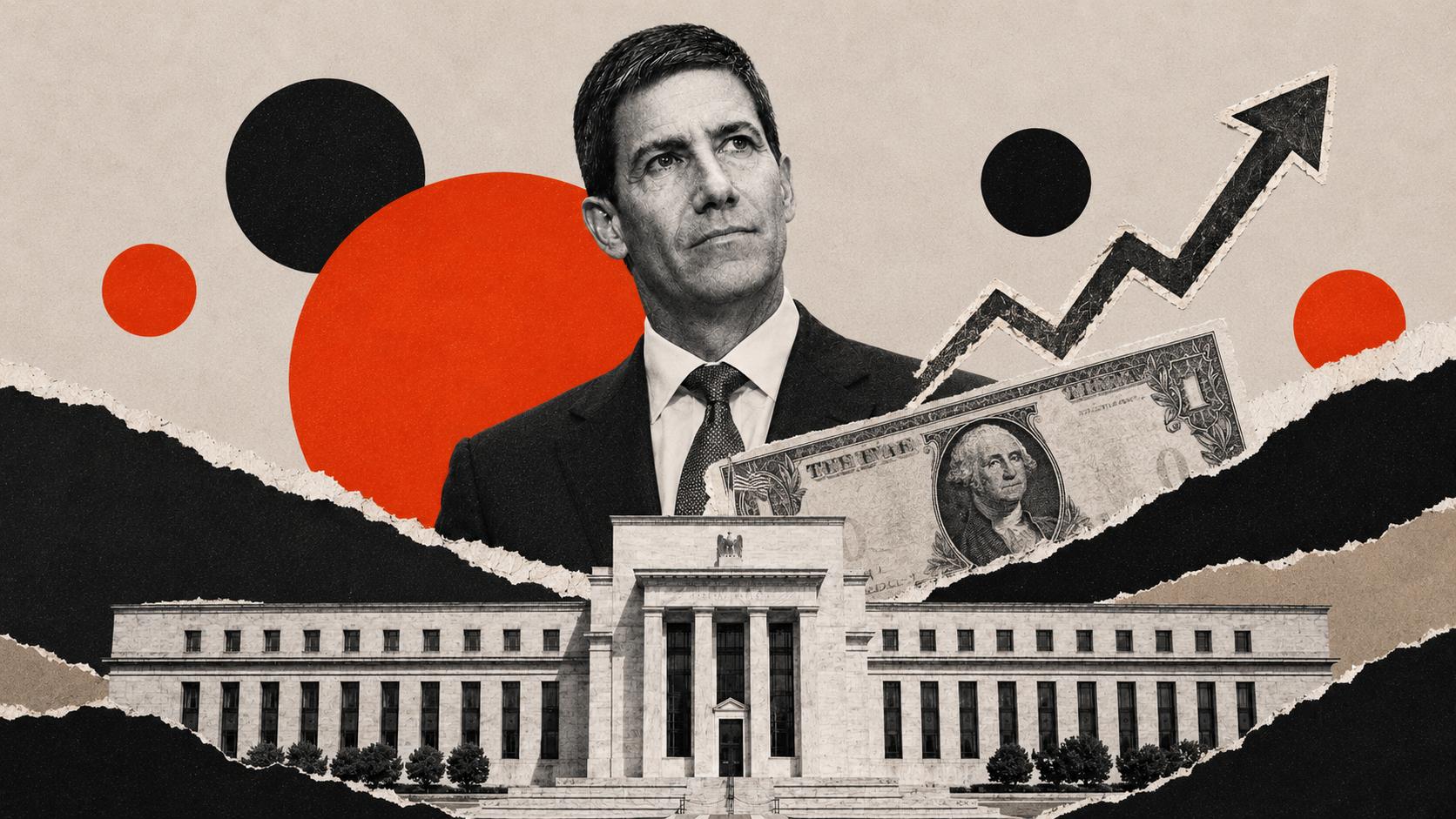
Tomorrow's FOMC meeting could be quite interesting, even if the Federal Reserve decides to leave interest rates unchanged.
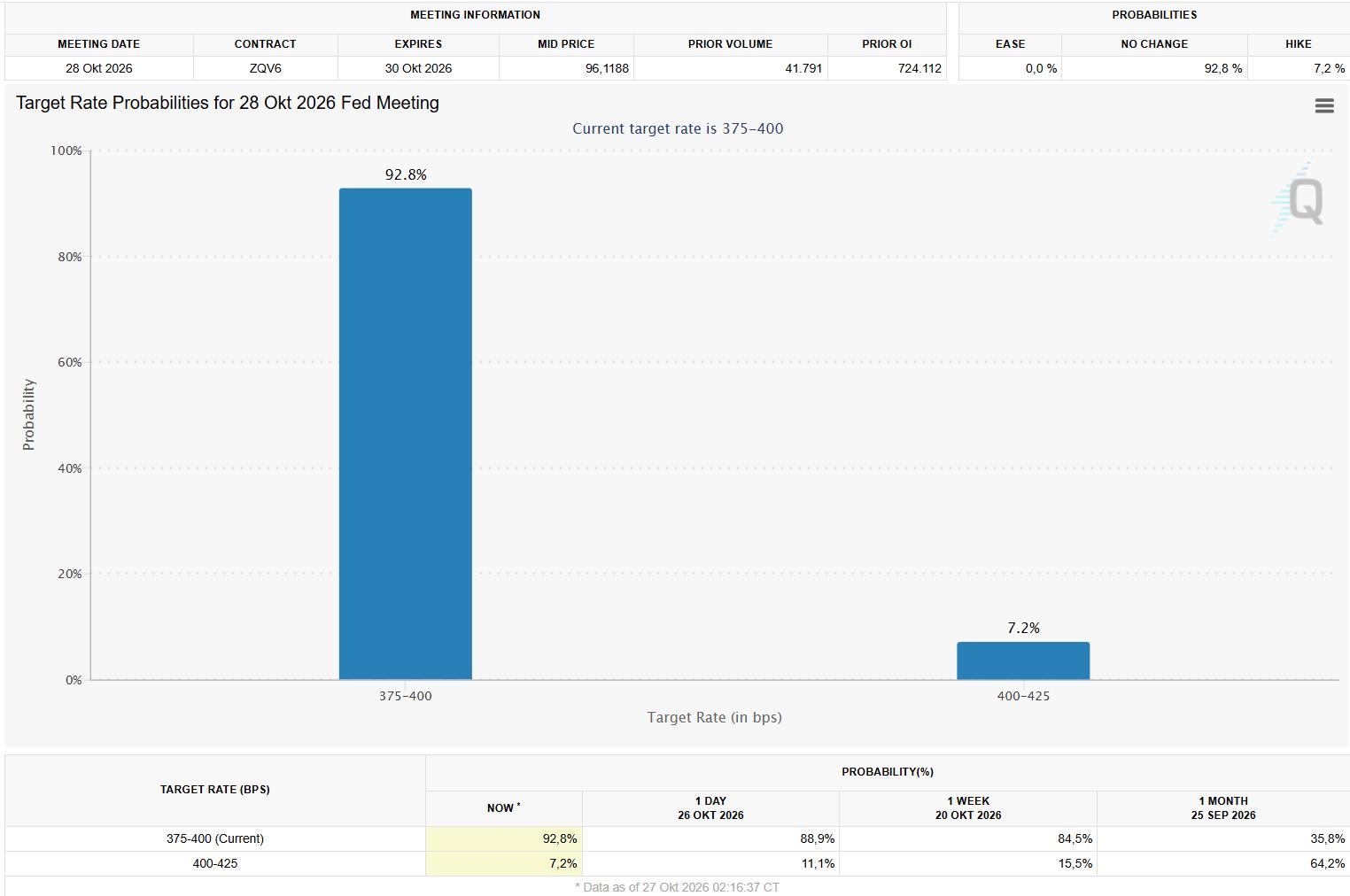
According to the latest market expectations, there is currently a 92.8% probability that rates will remain at 3.75–4.00%, while the probability of another 25 basis point increase stands at just 7.2%.
For me, the main question is not whether the Fed will raise rates tomorrow. It is how Kevin Warsh will explain the current economic situation and what this could mean for the coming months.
Inflation remains a serious problem. Recent economic data shows that price pressures are still present, especially at the producer level. Higher energy costs are also making things more difficult for businesses, and some of these additional costs could eventually reach consumers.
At the same time, the labor market is showing signs of weakness. Employment growth has slowed, wage growth is losing momentum, and recent revisions suggest that the labor market may be weaker than previously expected.
This creates a difficult situation for the Fed.
Raising rates again could help control inflation, but it could also put additional pressure on employment and economic growth. Cutting rates, however, would be difficult to justify while inflation remains elevated.
Another development I find interesting is the behavior of the bond market.
US Treasury yields have recently declined despite stronger inflation data. Normally, lower yields would be supportive for technology stocks, particularly companies that depend on future earnings growth.
But I think we need to be careful with that interpretation.
Some parts of the corporate credit market are showing signs of stress, with investors becoming more concerned about borrowing costs and the ability of heavily indebted companies to finance future investments.
This is also important for the AI sector, where large infrastructure projects require significant amounts of capital. If financing becomes more expensive or investors become less willing to provide capital, some companies may have to reconsider their investment plans.
Lower Treasury yields do not necessarily mean that financial conditions are improving.
What I expect from Warsh
My expectation is that Warsh will keep interest rates unchanged while maintaining a relatively hawkish tone.
I believe he will continue to emphasize inflation risks and avoid suggesting that the Fed is preparing to cut rates anytime soon.
However, I also think he will have to acknowledge the weaker labor market and the risks that restrictive monetary policy could create for businesses.
This is why I do not expect a particularly aggressive message. Keeping rates unchanged would give the Fed more time to evaluate incoming data without immediately increasing pressure on the economy.
For the Nasdaq, I believe the press conference could be more important than the actual interest rate decision.
A rate hold is already largely priced in. If Warsh signals that another increase remains possible later this year, Treasury yields could move higher and put pressure on technology stocks.
On the other hand, if he places more emphasis on weaker employment and economic growth, markets could start reducing their expectations for further rate increases.
But even falling yields would not automatically make me bullish on equities.
If investors are buying Treasuries because they are becoming more concerned about economic growth or credit conditions, we could see bond prices rising while equities remain under pressure.
My outlook
I currently expect the Fed to leave rates unchanged and maintain a cautious but still restrictive position.
The biggest concern for me is what happens if inflation remains elevated while employment and corporate financing conditions continue to weaken.
In that situation, the Fed would have fewer options. Keeping rates high could create additional economic pressure, while lowering them too early could allow inflation to remain above target for longer.
For tomorrow, I will mainly focus on Warsh's comments regarding inflation, employment and the possibility of another rate increase before the end of the year.
I think the market reaction will depend much more on how investors interpret the future direction of monetary policy than on the decision to keep rates unchanged.
For now, I remain cautious on the Nasdaq. Not necessarily because I expect an immediate selloff, but because the current economic conditions make it difficult to justify a much more optimistic outlook without further confirmation.
Author

Serhad Colak
Capital Insights
Serhad Colak is the founder of Capital Insights. His work focuses on macroeconomic research, monetary policy and cross-asset analysis, with particular attention to inflation, labor-market developments and interest-rate expectations.