The dragon breathes again: China’s money surge might light a global liquidity fuse
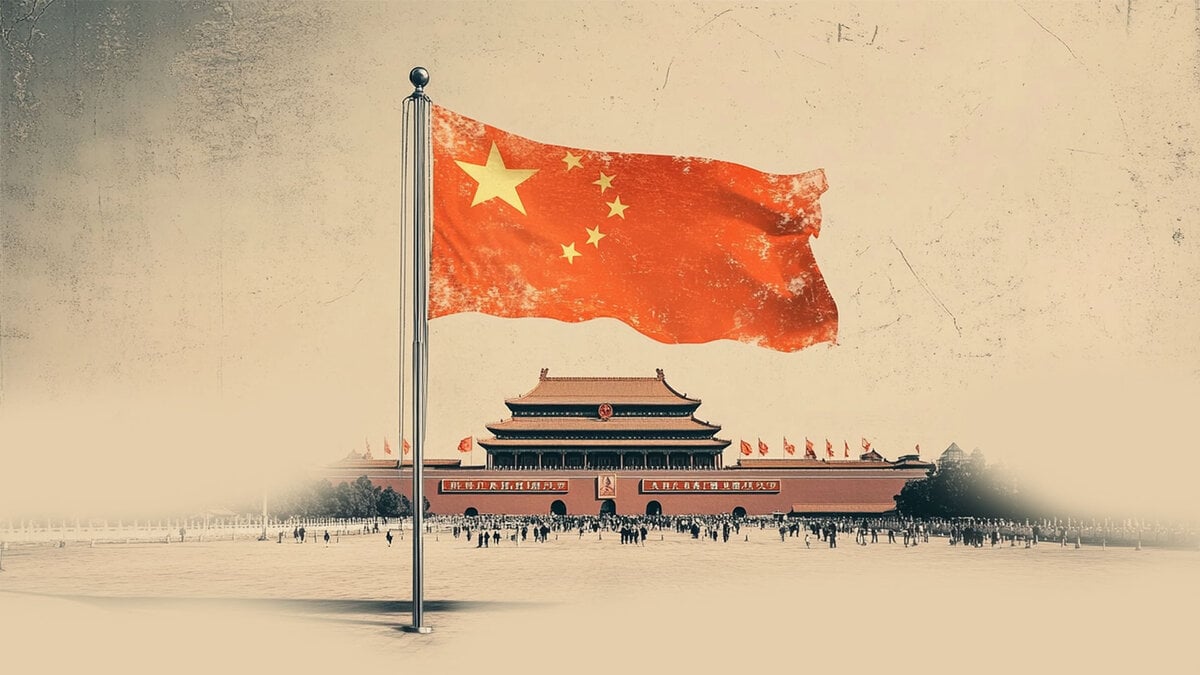

There’s an old trader adage that says: when China sneezes, the world catches a cold. But what happens when China starts to breathe fire again? We may be about to find out.
If the global economy is a vast machine, then money is the oil—and China just reached for the can. After months of sputtering, the country’s monetary engine is starting to whir. M1 money supply is accelerating, rising 4.6% year-on-year—up from a limp 0.4% at the start of the year—and traders who’ve long tuned out China’s policy frequency are now leaning back in, ears perked.
This isn't just a domestic footnote. China’s money supply is the hidden metronome of global liquidity. While Wall Street obsesses over Powell’s posture and the next CPI print, the real tempo change may be coming from Beijing’s printing press. With $16 trillion in M1, China’s monetary base dwarfs the US’s $8 trillion (excluding savings), and casts a long shadow over the G10’s entire liquidity pool. When China pumps, the ripple hits Jakarta, Frankfurt, and Wall Street alike.
But why M1 and not M2? Because M1 is the hot money—demand deposits, the stuff businesses use when they’re gearing up, not bunkering down. M2 includes savings, which rise when people are scared. M1, on the other hand, is the fuel gauge for animal spirits. It’s pro-cyclical, reflexive, and front-running the tape. Strip out the fluff, and what you’ve got is a clean signal: risk appetite is stirring in China.
And here’s where it gets interesting. Real M1 growth in China has long been a reliable crystal ball. It leads the so-called Li Keqiang Index—China’s real economy proxy built from rail freight, power usage, and lending—by 3 to 6 months. That forward pulse suggests industrial growth, credit expansion, and even PPI are poised to lift. Whether you’re long copper or watching Asian high yield, this is the kind of money flow that lights up the radar.
Add to that a tick higher in corporate demand deposits—now turning positive—plus a steady stream of local government bond issuance and fresh loan growth, and the monetary plumbing starts to look pressure-filled. Bank stocks in China are perking up, new home construction is tentatively basing, and fixed-asset investment is clawing higher from both state and private actors.
Even yields are joining the party. Since Trump’s so-called “Liberation Day,” Chinese government bond yields have quietly climbed to 12-month highs, giving credence to the idea that the worst of the deflation ghost story is behind us. The one missing puzzle piece? A steepening yield curve, which would lock in the narrative that we’re in a new cyclical up-leg.
Skeptics will argue China’s global multiplier isn’t what it used to be. Fair. But look under the hood and the transmission is still intact. The bilateral trade imbalance with the US and the world remains massive—arguably as effective a channel for global monetary transmission as ever.
And with Trump reportedly softening his tone on Beijing to lure Xi into a summit, the ice may be thinning. Even whispers of chip flows resuming between US firms and Chinese buyers (hello, Navida H20) add kindling to the detente thesis. One wonders if the real objective of any upcoming Trump-Xi huddle is to recruit Beijing as an intermediary to dial back Moscow’s war drums.
And then there's the Fed—ostensibly independent, but now feeling the political heat. Jay Powell may be staying put, but the pressure cooker he’s in has gone from simmer to boil. As the White House rattles sabres and inflation begins to warm up again, the notion of Fed independence may become more symbolic than structural. If Powell bows out—or gets pushed—markets will be scrambling for a new anchor just as the tide of Chinese liquidity comes rolling in.
That’s the kicker. While investors fixate on every breath Powell takes, they may be missing the bigger picture: the fuse for global reflation might have already been lit—in Shanghai, not D.C.
For markets, this could mean a fresh pulse of inflation just when it looked like things were calming down. Real yields could fall, central banks might find themselves behind the curve again, and the great game of global repricing will kick back into gear.
In a world drowning in noise, the oldest market maxim still holds: follow the money. And right now, the trail leads east.
Author
Stephen Innes
SPI Asset Management
With more than 25 years of experience, Stephen has a deep-seated knowledge of G10 and Asian currency markets as well as precious metal and oil markets.