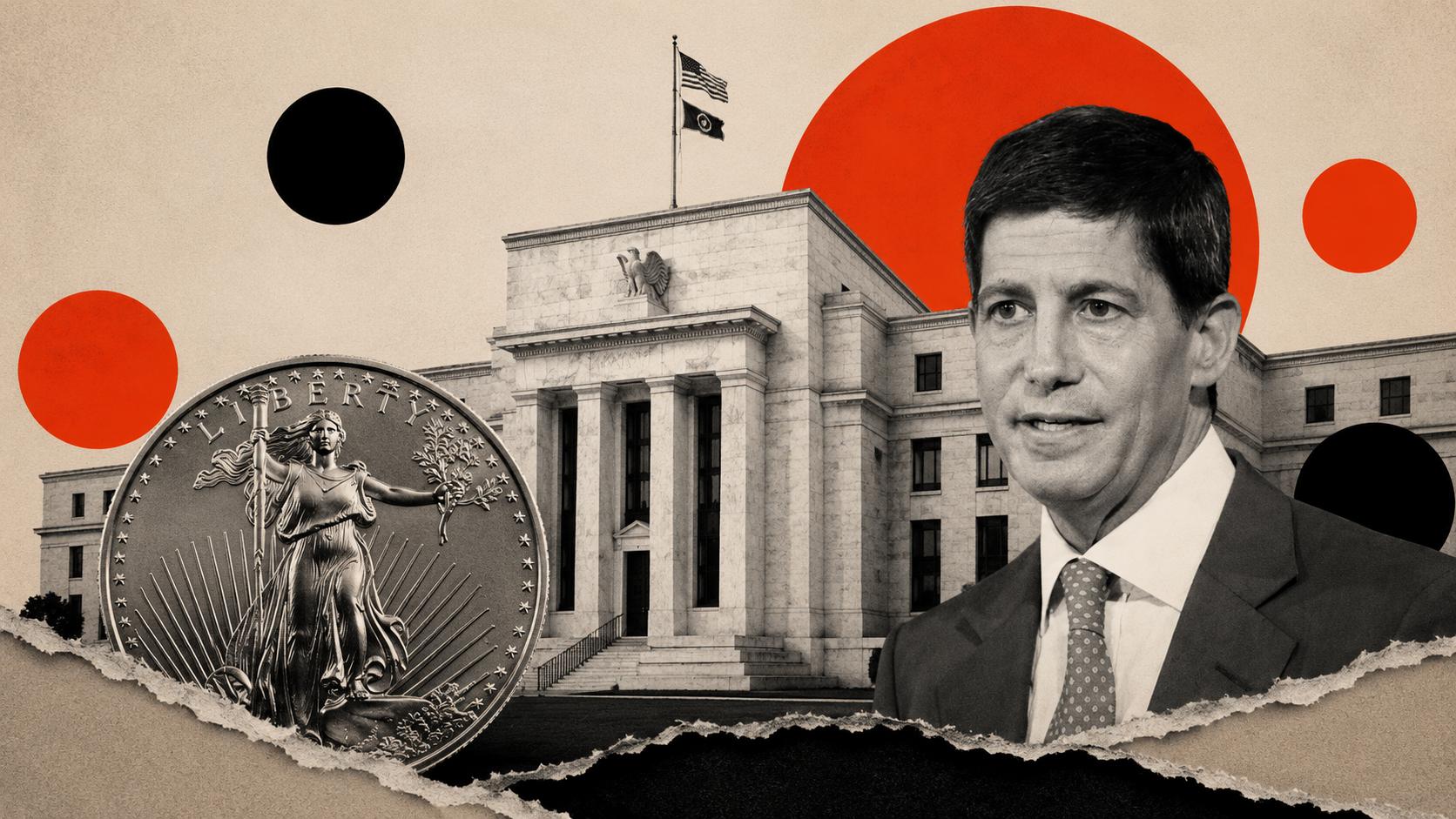
The Dollar has reached the part of the rally where good news must keep arriving
- The Dollar has entered the expensive part of the rally. It can still push higher, but it now needs stronger data, a firmer Warsh or a genuine oil shock to justify the next leg.
- Hormuz remains the market’s unpriced fault line. So long as shipping flows hold, investors can keep treating the conflict as background noise; a disruption would rapidly reprice oil, front-end rates and the USD.
- Thursday’s payrolls matter less for whether the Fed cuts and more for whether markets can credibly extend the two-hike narrative. Above 100k is a floor, not necessarily a fresh catalyst.
- EUR/USD does not need a dovish Fed to recover. A hawkish Sintra, sticky European CPI and merely “good enough” US data could be enough to cap USD upside and reopen the path toward 1.150 in July.
Good news must keep arriving
The dollar enters this week with a strong hand, but no longer with an easy one.
It has been lifted by a familiar combination: Warsh’s hawkish Federal Reserve, a US economy that has not cracked, lower oil prices that have prevented a Gulf flare-up from becoming an inflation shock, and a market still willing to treat the dollar as the cleanest shirt in an increasingly messy laundry basket. That has been enough to push DXY back toward the May 2025 high near 102.0.
But the next move needs confirmation
The market is no longer trading the first chapter of the US exceptionalism story. It is trading the sequel, and sequels need bigger explosions. Consumer confidence, JOLTS, ADP and ISM manufacturing will set the scene ahead of Thursday’s payrolls report, where another print above 100k should confirm that the labour market remains intact. A number around 110k is enough to keep the Fed from sounding the all-clear. It is not necessarily enough to make investors suddenly price two more hikes by year-end.
That is where the Dollar’s problem begins
The Fed may still be hawkish, but lower oil prices are quietly pulling in the other direction. Crude is the sandbag tied to the ankle of the front-end rates trade. It does not stop the dollar from climbing immediately, but it makes every additional move higher harder to sustain unless the data keeps surprising on the upside. A merely respectable payroll report can preserve the current story. It may not be enough to extend it.
The Gulf remains the obvious wild card. Markets have so far treated the latest US-Iran escalation as theatre with live ammunition, rather than the beginning of a supply shock. Brent’s muted response tells the story. Investors still believe Hormuz remains open, shipping continues and neither side wants to turn a regional confrontation into a global economic accident.
That assumption is doing a lot of work
A genuine disruption to Hormuz flows would change the entire board. Oil would reprice sharply, inflation fears would return, front-end yields would rise, and the Fed would have more room to remain restrictive. In that world, the dollar does not need stronger payrolls to rally. It gets a new engine.
Without that shock, Wednesday’s Sintra speech from Fed Chair Kevin Warsh becomes the more important risk event. Warsh has become the market’s main hawkish reference point. Investors will be listening for any hint that lower oil, softer inflation pressures, or slowing activity are beginning to alter the Fed’s reaction function. He does not need to turn dovish to unsettle the dollar. He only needs to sound less determined than the market expects. After all, he has basically just pinned himself to the 2% inflation wall target.
There is also the Supreme Court decision involving Fed Governor Lisa Cook. Any ruling that revives concern over Federal Reserve independence matters at a sensitive moment. The dollar is trading partly on yield and partly on the belief that the institution behind those yields remains credible. Political interference is not automatically dollar-negative, but it makes the trade less clean.
This leaves DXY with a narrow path higher. Strong data, a hawkish Warsh and no further decline in oil could still push the index through 102.0. But the risk-reward is becoming less attractive. The dollar has already absorbed a lot of optimism. From here, fading fresh USD rallies still look more compelling than chasing them.
The Euro has a different set of supports
EUR/USD can still dip toward 1.1350 or lower if US payrolls surprise to the upside, or an unexpected Gulf risk suddenly turns into an oil problem. But if Sintra retains the expected ECB hawkish bias and US data lands in the “good, not spectacular” zone, the dollar’s rally should begin to lose traction. That is the environment in which EUR/USD can start rebuilding toward 1.150 through July.
The market is not asking whether the dollar has a bullish story. It does.
The question is whether that story still has enough new material to keep the audience buying tickets.
Author

Stephen Innes
SPI Asset Management
With more than 25 years of experience, Stephen has a deep-seated knowledge of G10 and Asian currency markets as well as precious metal and oil markets.