The Dollar has lost momentum but not strength
- The increasing likelihood of a pause in the Fed’s rate-hiking cycle is not preventing the greenback from strengthening.
- The US dollar is being supported by rising demand for safe-haven assets due to the fiscal crisis in France.
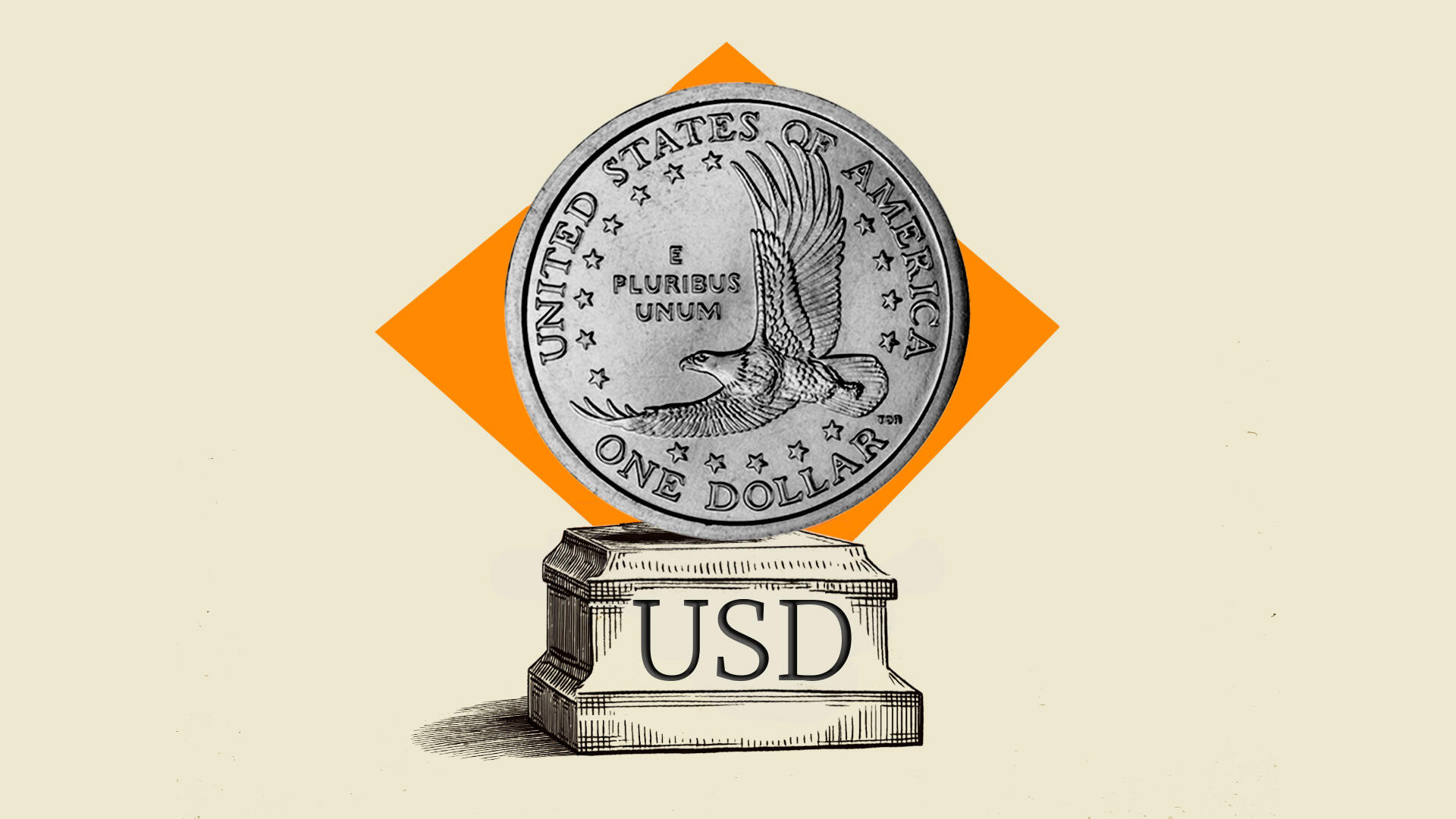
The US dollar has reached a 17-month high on demand for safe-haven assets amid the escalating crisis in Europe. Sébastien Lecornu’s government has presented a draft budget aiming to reduce the deficit from 5.6% to 5% of GDP in 2027 through €54 billion in spending cuts. The markets believe it will be difficult to get this approved by parliament. As a result, the yields for US and French government bonds have diverged.
A 1% intraday plunge in EURUSD to its lowest level since May 2025 and a 1.7% drop in EURCHF in less than two days point to capital flight into safe-haven assets. The yield spread between French and German bonds is approaching 150 basis points, already within the peak range seen at the end of 2011. This is even higher than it was in the first half of 2012, when the debt crisis was raging across Europe.
The US dollar is strengthening despite the probability of the Federal Reserve tightening monetary policy in October falling to 22%. Following comments from John Williams, President of the New York Fed, regarding a pause in the cycle to allow for further data, Fed Vice-Chair Philip Jefferson has also spoken of a pause. The ISM’s September data on business activity in the manufacturing sector was disappointing, although the figure remains close to its 2022 highs, indicating the strength of the US economy.
The futures market is pricing in a 39% probability of a 100-basis-point rise in the federal funds rate over the next 12 months. And it is unlikely that the ECB will be able to keep up with such a pace. The eurozone economy is suffering from soaring energy prices and budgetary problems, compounded by domestic political turmoil in France, Germany and several other countries.
The acceleration in Tokyo’s consumer price index from 1.8% to 2.7% in September – a leading indicator of national inflation – has increased the likelihood of the Bank of Japan tightening monetary policy in October and has caused USDJPY to pull back from its recent highs. The Bank of Japan began a cycle of policy tightening in March 2024 and has raised rates twice this year, in June and September, marking the fastest pace of tightening since 1990. If Japan raises rates again in October while the Fed pauses, the yen will have the opportunity to strengthen against the US dollar.
Author

Alexander Kuptsikevich, a senior market analyst at FxPro, has been with the company since its foundation. From time to time, he gives commentaries on radio and television. He publishes in major economic and socio-political media.