Week ahead – Flash PMIs and PCE inflation in focus ahead of Thanksgiving
- US flash PMIs and PCE inflation data could shape Fed rate expectations.
- Eurozone and UK PMIs will offer an early look at business activity.
- Australia’s CPI data could influence expectations for the RBA’s next move.
- Tokyo inflation data could affect BoJ rate expectations and the Yen.


US PMI and PCE data to test the Dollar rally
The US dollar extended its rally this week, continuing to be driven by the hawkish market repricing of the Fed’s implied rate path. Following the strong nonfarm payrolls for October, the hotter-than-expected CPI data for the same month and hawkish remarks by several Fed officials, investors became convinced that the Fed will press the hike button when it meets on December 8-9.
According to Fed funds futures, a 25-basis-points rate increase is fully priced in, while there is a nearly 10% probability of a 50bps hike. As for next year, market participants are penciling in around 80bps worth of rate increases by September. This means that should officials deliver a quarter-point increase next month, another two will be served next year, with a third assigned around a 20% probability.
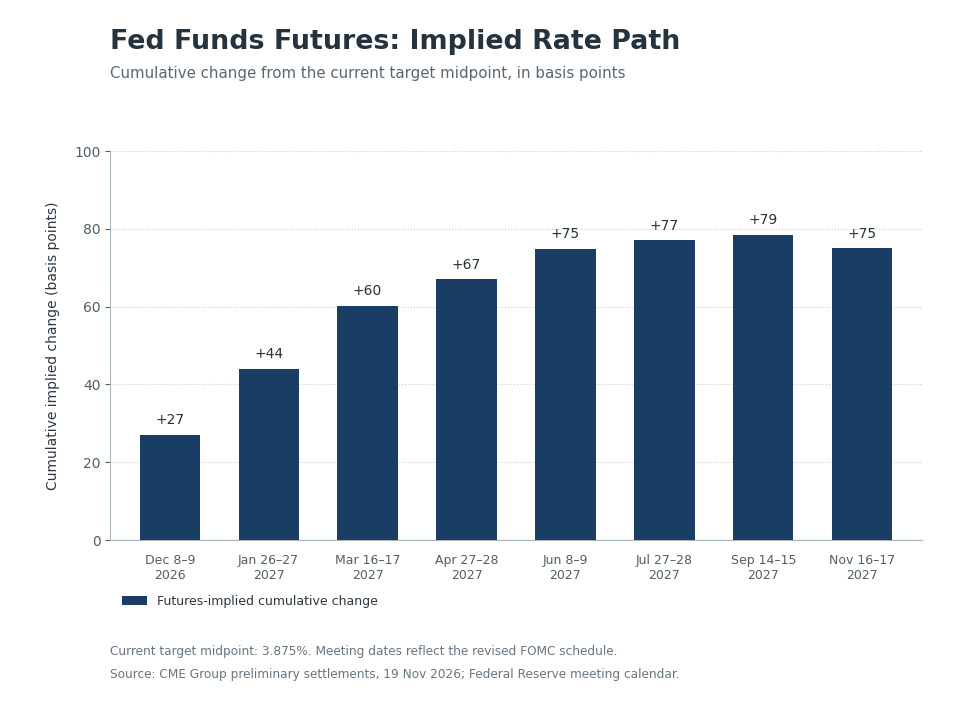
With all this hawkishness already reflected in the latest dollar rally, investors are likely to turn their attention to next week’s flash S&P Global PMI data for November, as well as the second estimate of the US GDP for Q3 and the PCE inflation numbers for October.
The PMIs will start the show on Monday, and they attract special attention as they will provide a first glimpse of how US business activity fared during the month of November. The employment and prices subindices will also be closely watched given the Fed’s dual mandate of full employment and price stability.
On Wednesday, the second estimate of Q3 GDP will offer updated information on whether the world’s largest economy can withstand more rate increases, while the PCE inflation indices, the Fed’s favorite inflation metrics, will confirm whether expectations of additional rate hikes beyond December is justified.
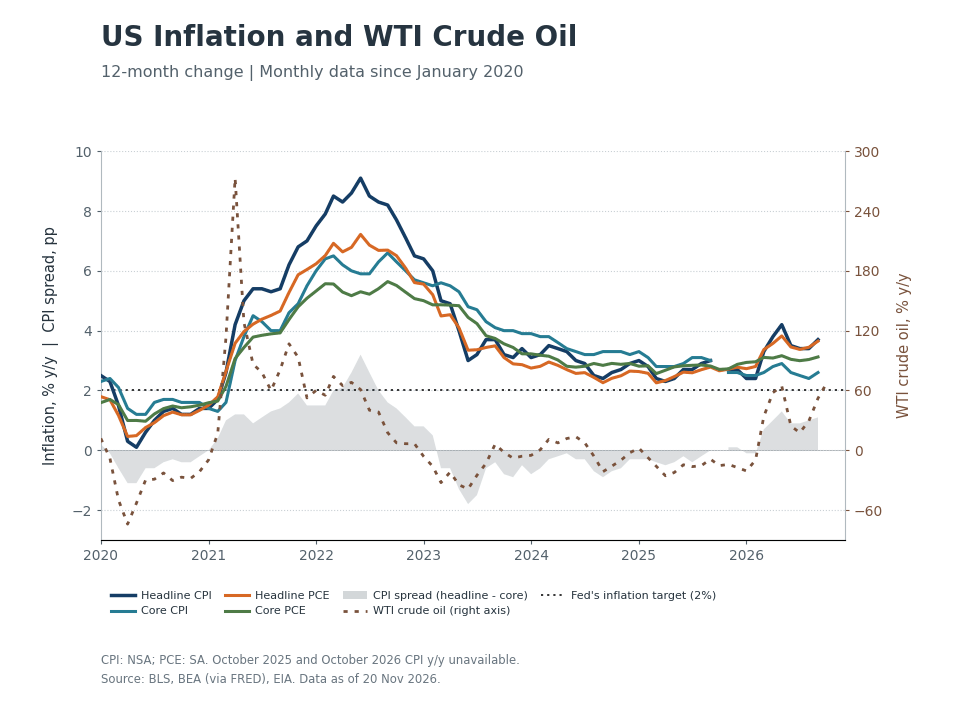
Should the US data encourage investors to add more basis points worth of rate hikes to their calculations for next year, the US dollar is likely to get another shot in the arm and climb even higher amid further advances in Treasury yields.
That said, Thursday is Thanksgiving Day in the US. Both Wall Street and the US bond market will remain closed, and while they will reopen on Friday, they will close early. A lot of traders will be off their desks to celebrate with their families and to chase Black Friday deals, resulting in thin liquidity. This could cause abrupt and sudden moves in the US dollar without any major catalyst.
Eurozone and UK flash PMIs also on tap
Ahead of the US PMIs, the S&P Global agency will release flash estimates for the Eurozone and UK indices.
Getting the ball rolling with the Eurozone, at its latest meeting on October 29, the European Central Bank (ECB) unanimously decided to keep interest rates steady, though policymakers actively debated whether another rate hike was warranted. They opted to remain sidelined amid broadly stable underlying inflation, moderating wage growth, and downside risks to economic activity. Reaffirming data dependency and a meeting-by-meeting approach without pre-committing to a rate path, the ECB prompted investors to somewhat scale back their rate hike bets.
Nonetheless, after the decision, the HICP inflation numbers for October revealed that the Eurozone’s headline inflation rate rose to 4.0% from 3.8%, double the ECB’s objective of 2%, while the core rate ticked up to 2.6% from 2.5%. The headline rate was driven primarily by a 21.0% surge in energy prices amid the Middle East conflict, while the uptick in underlying inflation may have raised concerns about second-round effects.
With that in mind, investors are fully pricing in a quarter-point hike at the December ECB gathering, while another two same-sized increments are baked into the cake for next year. Still, the euro has been suffering against its US counterpart, and it is questionable whether improving PMIs could change its fate, especially if next week’s US data encourages investors to further steepen the Fed’s implied path.
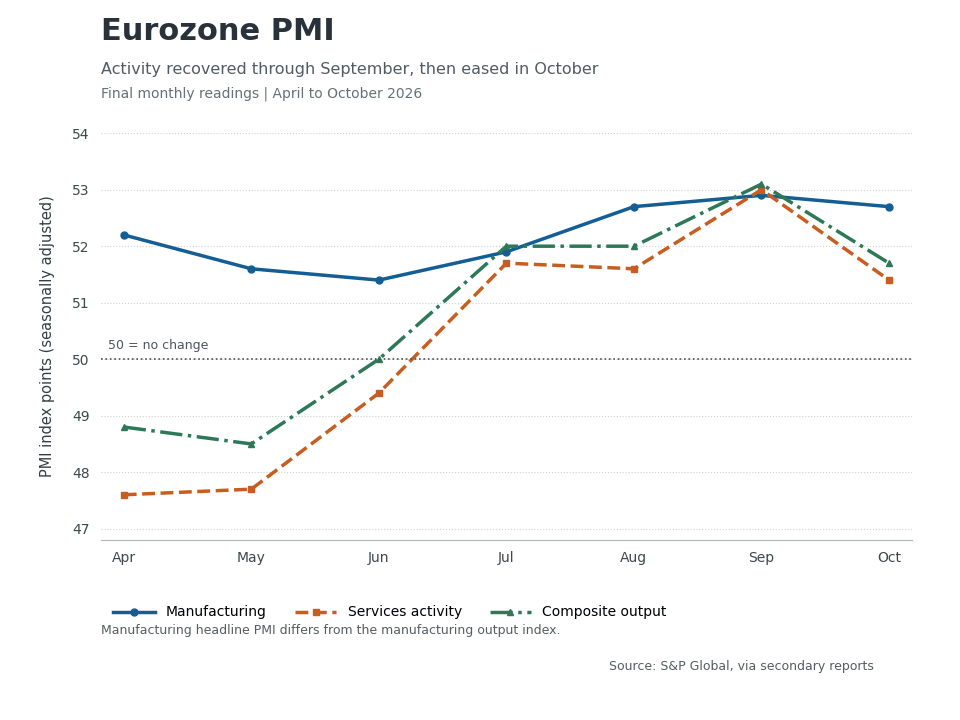
The minutes of the October 29 ECB gathering will be released on Thursday, and should they confirm a less hawkish environment than prior gatherings, the euro may indeed see limited benefits from potentially improving PMIs.
As for the UK indices, with the Bank of England expected to proceed with more hikes in 2027 than the ECB and the Fed even after the UK CPI data for October came in below the BoE’s own projections, the pound may receive support if the PMIs suggest further expansion in UK business activity.
Will Australian and Tokyo CPI data help the Aussie and Yen?
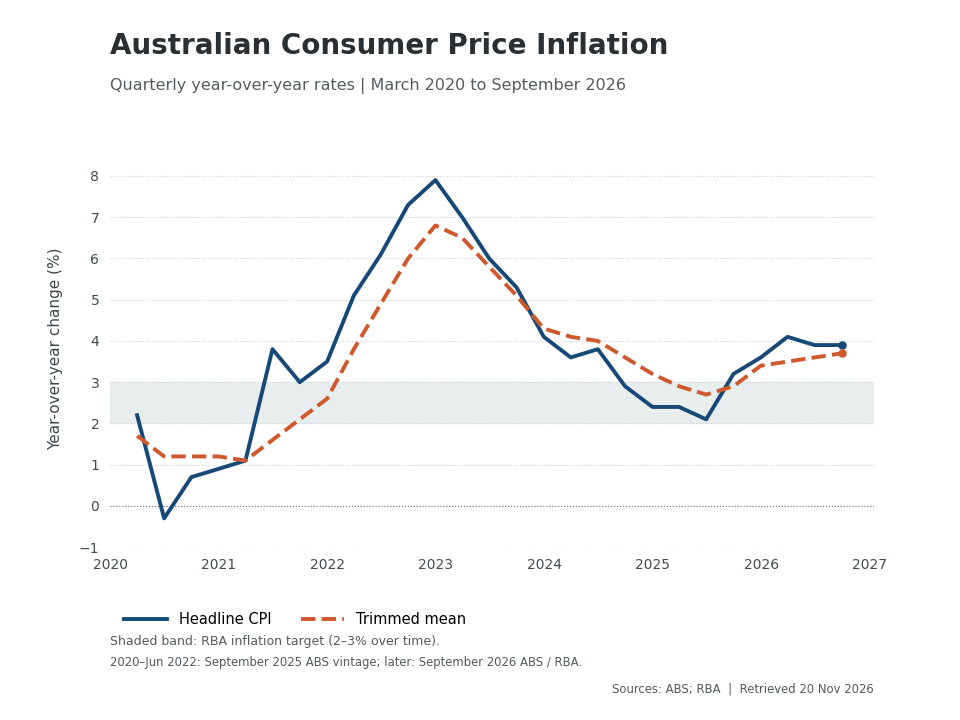
Elsewhere, aussie traders will closely monitor Australia’s CPI rates for October, while yen traders could pay attention to the Tokyo CPI numbers for November.
The RBA raised interest rates for the fifth time in this cycle at the beginning of this month, but three members dissented from the decision and voted to hold rates at 4.60%. Governor Michele Bullock noted that the full impact of recent hikes has yet to flow through the economy, making it prudent to take a break after this month’s hike and assess incoming data, which means that Wednesday’s CPI numbers may attract special attention. Although market participants are overwhelmingly expecting the Bank to remain on hold in December, upside surprises could keep another hike on the table for early next year and thereby allow the aussie to recovery some of its recently lost ground.
In Japan, given their strong correlation with the National CPI data, the Tokyo prints may have the potential to move Bank of Japan rate hike expectations and the yen. The BoJ is also expected to proceed with around three quarter-point hikes by the end of 2027, with probability of the next being delivered in December standing at around 75%.
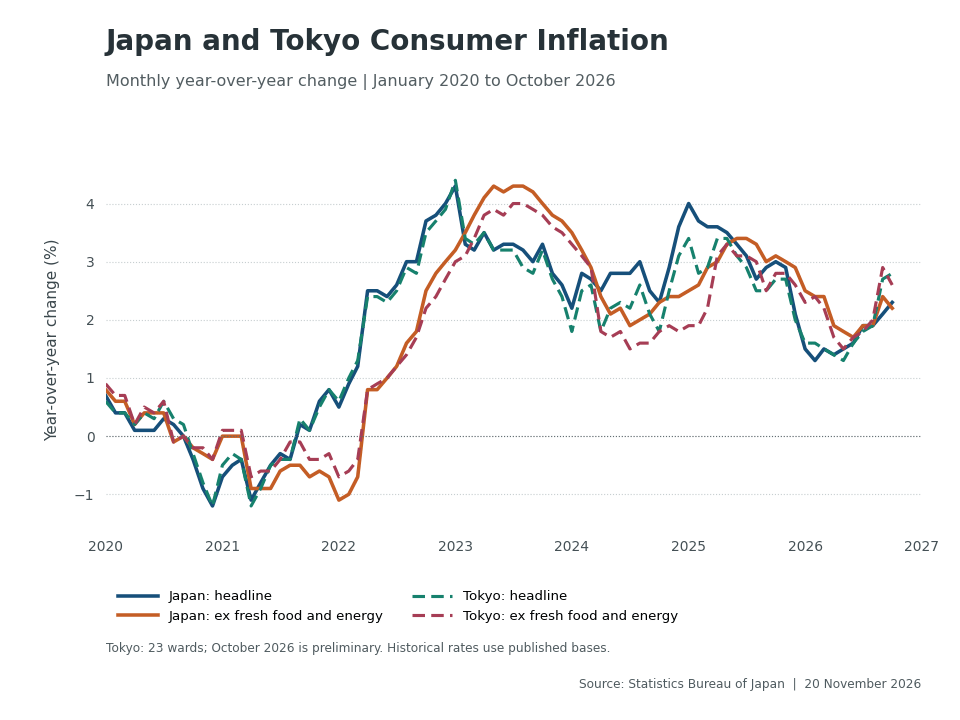
With dollar/yen being rejected at around 160.00 on concerns of intervention by Japanese authorities, hotter-than-expected Tokyo data could extend the pullback. However, a broader yen uptrend appears unlikely for now. Prime Minister Takaichi has been calling for the BoJ to keep interest rates low, while she could indirectly influence policy decisions. The appointment of more doves to the Board next year would pose downside risks to the current implied rate path, thereby keeping any yen gains limited and short-lived.
Author
Charalampos joined Trading Point in August 2022 as a senior market analyst. He has extensive experience in analyzing financial markets, gained through a decade-long career, with his primary focus being on the currency market.
















