The Canadian Dollar just decoupled from Oil
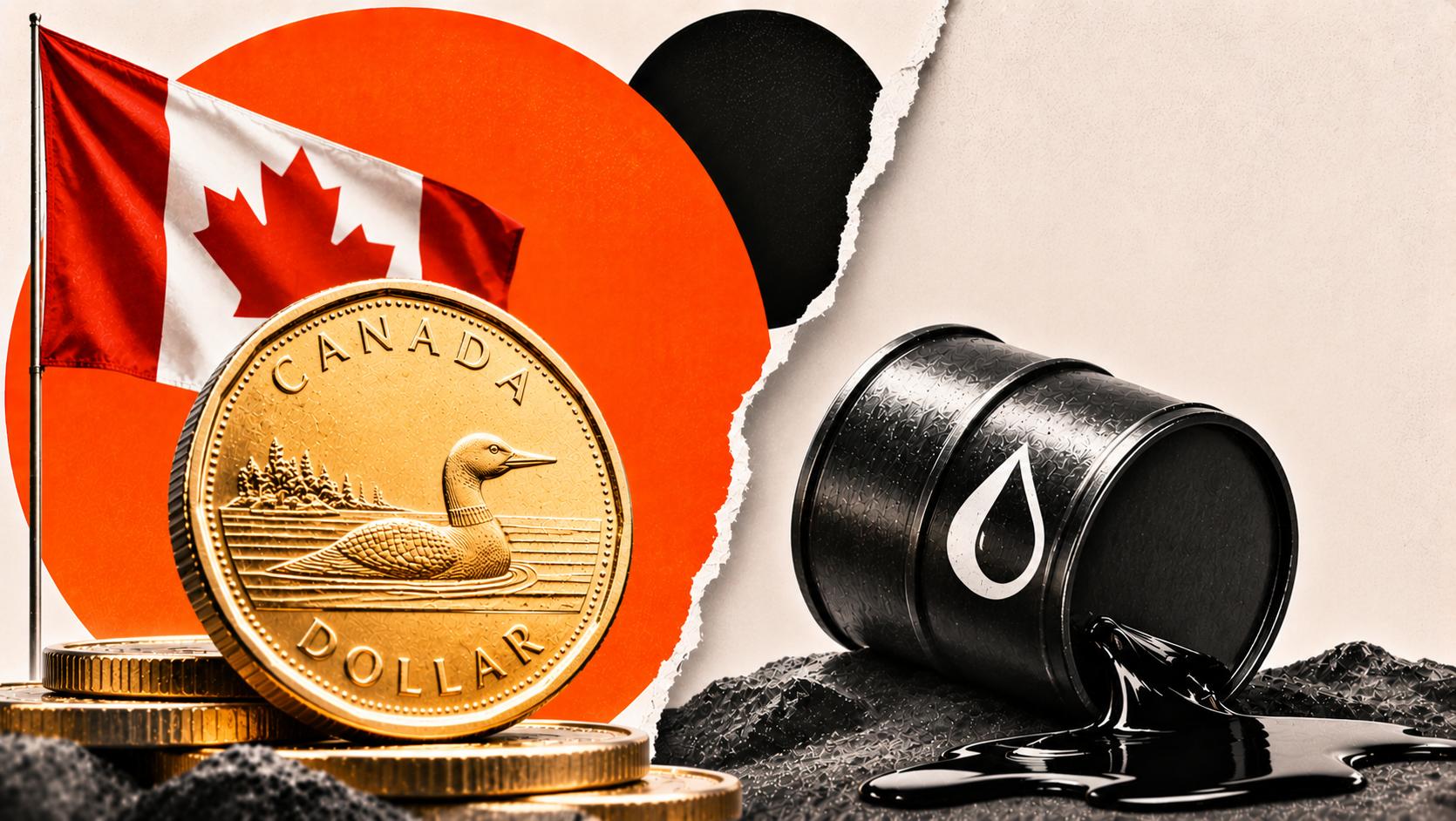
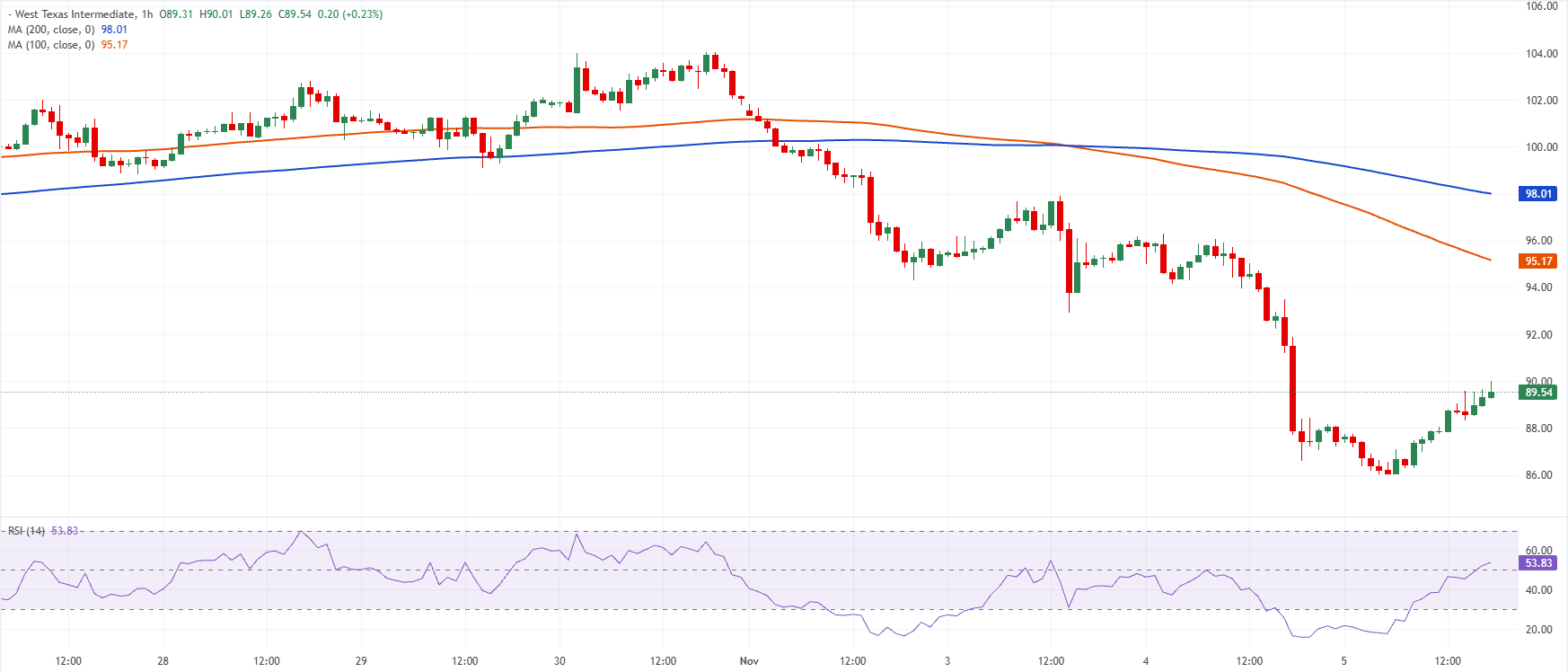
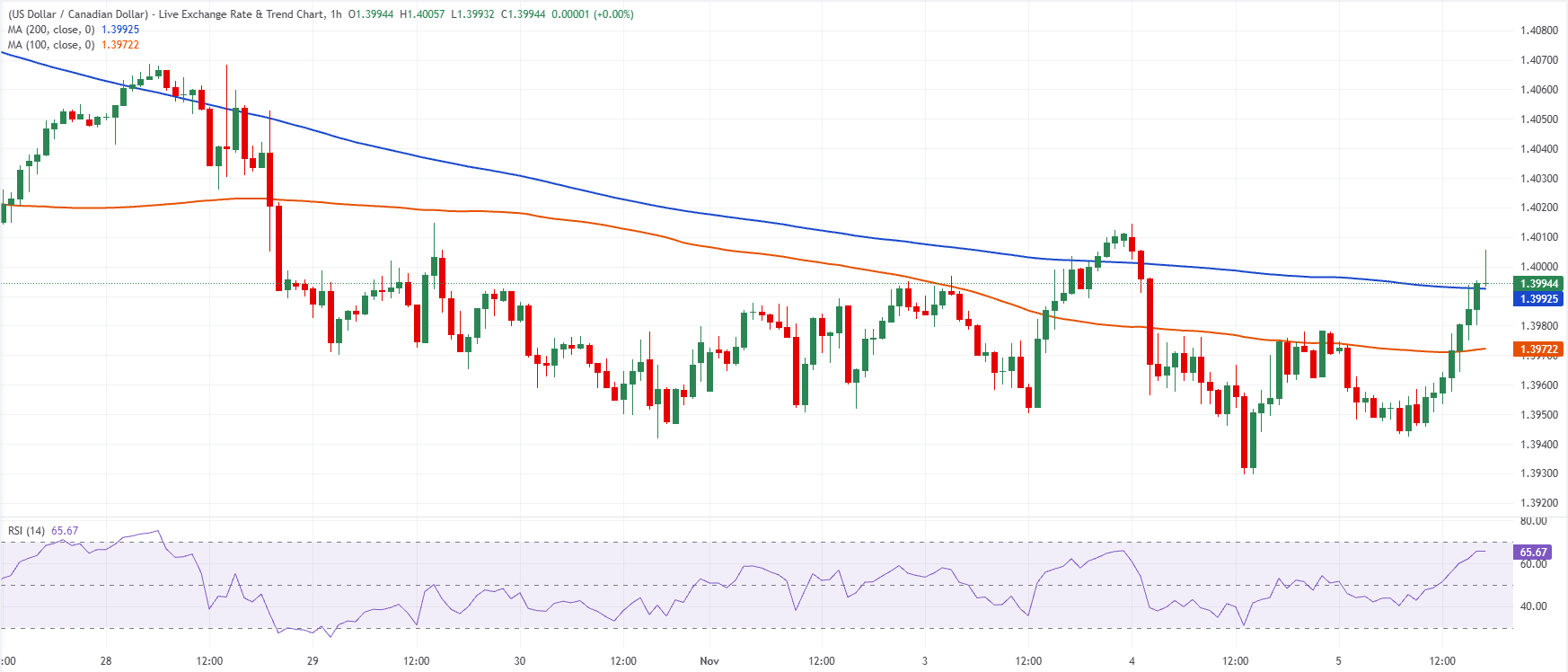
USD/CAD rebounds slightly on Thursday, after falling to a seven-week low near 1.3930 on Wednesday. Despite this recovery, the Canadian Dollar (CAD) has strengthened significantly against the US Dollar (USD) this week, even as West Texas Intermediate (WTI) Oil has suffered a spectacular sell-off.
This divergence is particularly striking because Canada is one of the world's largest Oil producers and a major exporter to the United States. Higher Oil prices traditionally support the Canadian Dollar by improving Canada's export revenues and terms of trade, while falling prices tend to weaken the currency.
Yet the opposite has happened this week. The explanation lies in an unusual combination of US political developments, changing geopolitical expectations and diverging monetary policy signals.
US elections trigger a double shock for Oil and the US Dollar
The catalyst behind this unusual market behavior is the Democratic Party's sweeping victory in the US midterm elections, which gives Democrats control of both chambers of Congress. The election results have triggered selling pressure on the US Dollar as investors reassess the economic consequences of political gridlock in Washington.
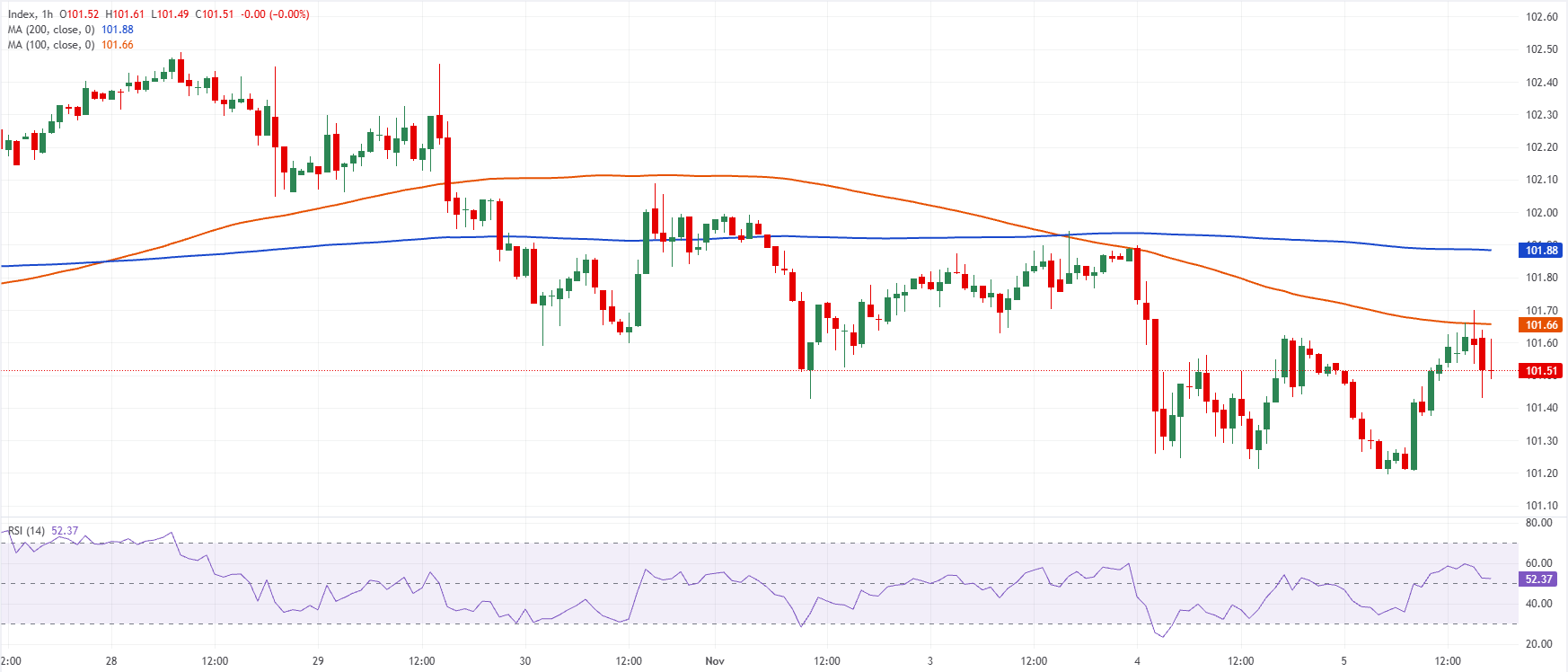
With US President Donald Trump facing an opposition-controlled Congress during the final two years of his presidency, markets anticipate greater difficulties in implementing new fiscal stimulus and other domestic policy initiatives.
ING argues that the Democratic victory could “stifle President Trump’s domestic agenda in his final two years in power.” The bank also expects that “spending and tax proposals, as with most domestic legislation, will likely be gridlocked,” potentially limiting further fiscal expansion. However, ING warns that “while we won’t see any further fiscal expansion, large fiscal deficits and deteriorating debt dynamics will continue.”
At the same time, the election results have dramatically altered expectations surrounding the US conflict with Iran. Democratic leaders have pledged to increase pressure on the Trump administration to end the war, raising hopes that geopolitical tensions could ease and disrupted energy supplies could gradually recover.
Senate Democratic Minority Leader Chuck Schumer declared, “We are going to end the war,” according to The Wall Street Journal, reinforcing market expectations of a potential diplomatic breakthrough. This has encouraged traders to unwind part of the geopolitical risk premium embedded in Crude Oil prices, triggering a sharp sell-off. The result is a rare situation in which the same political event is simultaneously weakening the US Dollar and pushing Oil prices lower.
For USD/CAD, the negative impact of a weaker Greenback has temporarily outweighed the traditional pressure that falling Oil prices exert on the Canadian Dollar.
Why the Canadian Dollar is resisting the Oil collapse
The Canadian Dollar's resilience does not necessarily mean that its historical relationship with Oil has disappeared. Instead, the latest price action suggests that currency markets are currently assigning greater importance to US political uncertainty and monetary policy expectations than to the deterioration in Canada's energy export outlook.
Scotiabank highlights that the Loonie's “relative performance is somewhat more underwhelming when compared to its peers, and highlights its role as a lower-beta risk and commodity currency.” This observation is important because it suggests that the Canadian Dollar is not experiencing a broad-based surge in demand.
Rather, its appreciation against the Greenback largely reflects the exceptional weakness of the US currency, while falling Oil prices continue to limit its performance relative to other major currencies.
In other words, the Loonie is benefiting from the US Dollar's weakness without entirely escaping the consequences of cheaper Crude Oil. The divergence could, therefore, prove temporary if the US Dollar stabilizes or if Oil prices extend their decline.
Bank of Canada provides another reason to buy the Loonie
Beyond US political developments, monetary policy expectations are also helping explain the Canadian Dollar's relative resilience. Bank of Canada (BoC) Governor Tiff Macklem adopted a relatively hawkish tone during his parliamentary appearance on Tuesday, indicating that “further rate hikes may be needed.” Macklem nevertheless emphasized that monetary policy decisions would be made on a “meeting by meeting” basis, reflecting the uncertainty surrounding the economic outlook.
His comments suggest that Canadian policymakers remain concerned about inflation and are not ready to rule out additional monetary tightening. Hence, the Canadian Dollar is benefiting from a combination of US political uncertainty and the BoC's willingness to consider further tightening.
Could the Oil-CAD divergence last?
Energy markets remain highly sensitive to developments in the Middle East, particularly around the Strait of Hormuz, where shipping disruptions continue to threaten global supplies. Analysts at TD Securities believe that “the expectation for a deal as opposed to escalation in the Middle East” remains “the main drag on [C]rude [O]il prices.” However, the bank also sees “potential for upside via risk premium so long as the Middle East and Russia-Ukraine conflicts remain unresolved.”
A renewed escalation could lift Oil prices and restore some of the traditional support for the Canadian Dollar. Conversely, a diplomatic breakthrough could extend the Oil sell-off, potentially making it increasingly difficult for the Loonie to resist pressure from deteriorating energy revenues.
Investors now turn their attention to Friday's employment reports from both Canada and the United States. These releases could provide fresh indications about the respective monetary policy paths of the BoC and the Fed, potentially determining whether the Canadian Dollar's unusual resilience persists.
For now, the message from currency markets is clear: the Canadian Dollar has not necessarily broken its relationship with Oil, but US political developments have temporarily rewritten the rules of that relationship.
Author

Ghiles Guezout
FXStreet
Ghiles Guezout is a Market Analyst with a strong background in stock market investments, trading, and cryptocurrencies. He combines fundamental and technical analysis skills to identify market opportunities.