The Brexit Trade: why the FTSE 100 is taking the brunt of Brexit fear
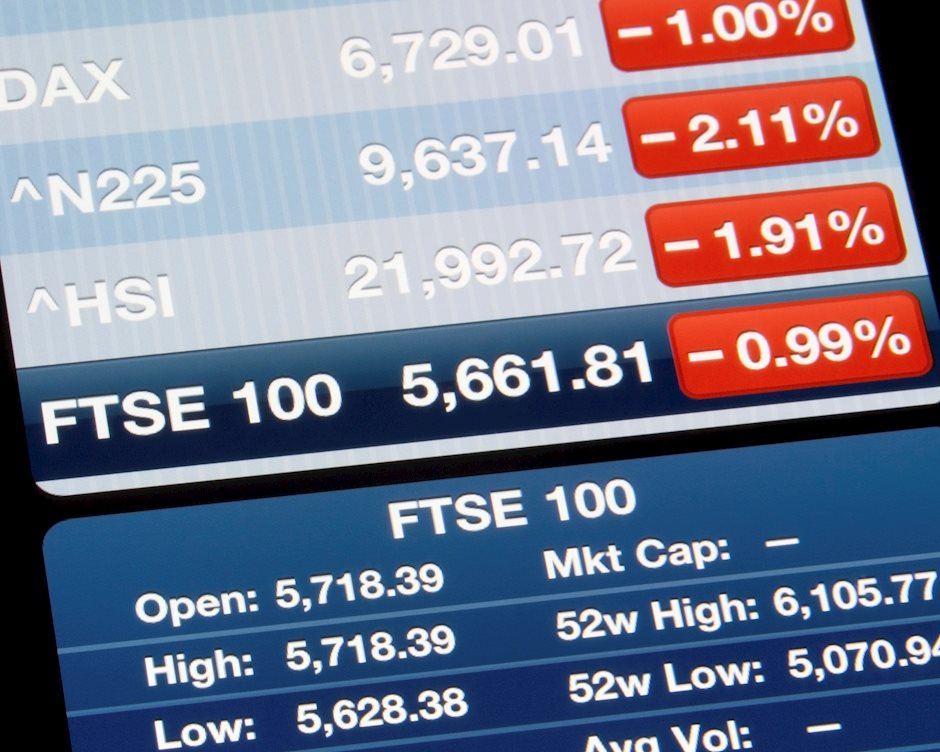

The focus at the end of this week is undoubtedly the terror attack in London on Wednesday. This attack occurred one week before the UK government will trigger Article 50, next Wednesday 29th March. As we lead up to this momentous event, there are signs that the stock market, rather than the pound is taking the hit from Brexit anxiety, which is a big shift from the market reaction post the EU referendum, when the pound nose-dived and the FTSE 100 reached record highs.
Why the FTSE 100 is getting more sensitive to Brexit risk
This week we have seen the FTSE 100 fall 1.15%, while the pound has risen on a broad basis and is up 1.5% versus the US dollar. The FTSE 100 has fallen in line with global stock markets this week; however, there are some worrying Brexit-specific factors that could develop into themes for the FTSE 100 as the UK begins its negotiations with the EU to leave the bloc.
Airlines take a hit
UK airlines have suffered this week, after the EU warned that UK airlines may need to move their HQs to Europe and sell their shares to European nationals if they want to continue to fly internal EU routes after Brexit. IAG, the owner of British Airways, saw its share price fall more than 4% this week, Easyjet shares have managed to stage a recovery in the latter part of this week as the market assumes Easyjet can move operations to the EU if necessary. However, the company still remains vulnerable to further selling pressure during the Brexit negotiations, which could seriously altar the way that UK-based aviation companies do business. We expect IAG could struggle to recover from this week’s decline, and its share price remains at risk from further sell-offs in the coming weeks.
Other sectors could be next
Airlines may have been the first sector to get hit by the EU’s emerging new deal for UK companies to operate in the EU post Brexit, but it won’t be the last, which leaves other sectors of the FTSE 100 at risk over the next two years. Thus, it becomes clear why the FTSE 100 and UK companies could be at risk from the negotiating phase of Brexit.
In contrast, the pound has been the second best performer in the G10 FX space this week, as the terror attack failed to dent sentiment towards sterling. The pound is benefitting from a broad-based decline in the dollar, but ironically, it also received a boost from last year’s 20% decline in sterling, which is starting to push up the UK’s inflation rate. This has caused a slight recalibration in the market’s expectations for interest rate hikes this year, with the prospect of a 25 bp hike in August rising to 20% from 10% last week. If this continues then we could see further GBP gains.
Key events after Article 50
We do not think that the formal triggering of Article 50 next Wednesday is likely to be a market-moving event. Of greater importance is what comes next. The EU set out its immediate timetable for Brexit negotiations this week, key dates to look out for include: 31st March, when the EU issues its draft negotiating guidelines on Brexit; April 4th, the EU Parliament will make a declaration on Brexit, 29th April: first EU summit on Brexit.
We expect the FTSE 100 to be particularly sensitive around these times, in case other sectors of the index are singled out by the EU, which could impact their business once the UK leaves the EU. In contrast, we believe that there is a lot of bad news priced into the pound already, and where the pound goes next could be more dependent on what the dollar does, rather than on Brexit negotiations.
Author
Kathleen Brooks
XTB UK
Kathleen has nearly 15 years’ experience working with some of the leading retail trading and investment companies in the City of London.