Tariffs as statecraft: Escalation to retraction on Greenland

Summary
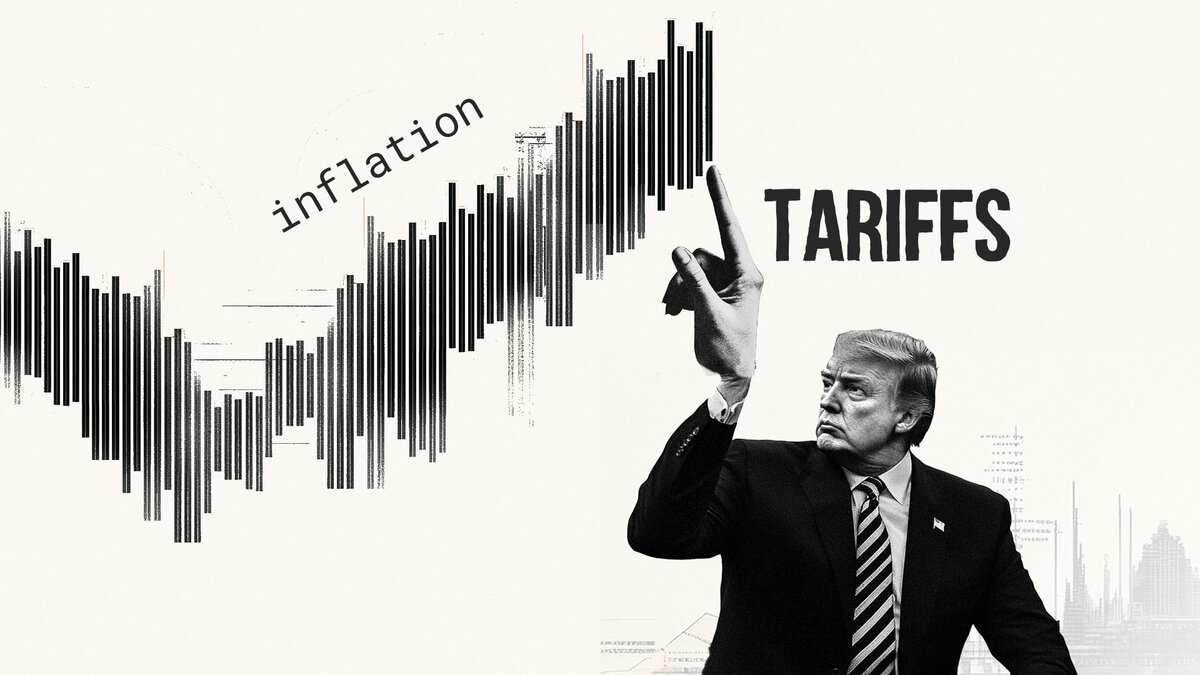
Although the U.S. administration has walked back its proposed tariff package on major European economies, the episode still marks a significant escalation in transatlantic tension. The direct macro impact from this in the immediate term may have been removed, but the strategic fallout is unchanged—the episode exposed deep mistrust, elevated the prominence of the EU’s Anti‑Coercion Instrument (ACI), and brought into deeper focus the fragility of the U.S.–European relationship.
What follows are thoughts around U.S. economic vulnerabilities had the EU deployed the ACI, but also how the Greenland dispute gives new momentum to a world that may be drifting apart. Rather than a simple U.S.–China split, a three‑bloc system where Europe charts more distance from both the U.S. and China could now be more realistic. Our analysis shows that three-bloc fragmentation carries heavier growth costs for Europe if access to U.S. and China‑aligned markets tighten simultaneously. And while the EU is exploring new trade partnerships and an economy less dependent on the U.S., the simple truth is that replacing the U.S. consumer is nearly impossible. So even if the EU charts new trade paths and explores deeper integration into the global marketplace without the U.S., a world where the U.S. and EU are less economically integrated raises new headwinds to global growth.
Author
Wells Fargo Research Team
Wells Fargo