Stocks have shining Fed moment
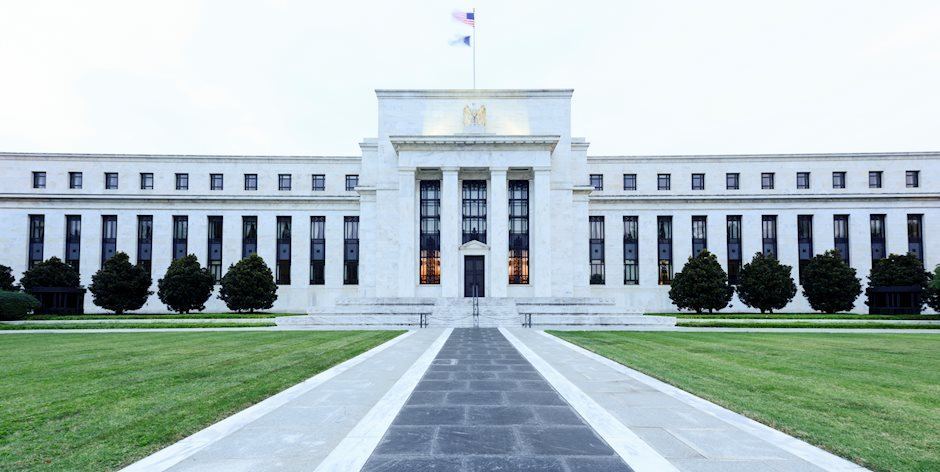

In a day of extreme volatility, stocks have rallied mightily.
Fuelled by the highly probable argument that the US Federal Reserve will either pause, or at least keep the rate increase to 25 points as this week’s FOMC.
The next big hurdle for markets is blaring brightly through the front windshield. This Federal Reserve Meeting is indeed a Crisis meeting.
Can the Federal Reserve really continue to hike rates in the face of a banking crisis, that may or may not be winding down? Equally, can the Federal Reserve afford to ignore still rampant and even re-accelerating inflation?
The US Federal Reserve finds itself in the ultimate ‘trapped between a rock and a hard place’.
The conservative view is that the Federal Reserve will try to fight inflation while saying to the market it believes the crisis is over and resolved, by raising rates a further 25 points. Is this, in fact, prudent? Would this represent responsible central banking?
The underlying causes of the recent bank failures vary in their detail, but are consistent in their primary drivers.
They are the result of the twin forces of moderating economic growth, with low business and consumer sentiment impacting deposits, while un-realised losses in bond holdings rose as central banks raised rates historically aggressively. A fall in deposits requires a sale of bonds which crystallises losses. This is the current banking crisis in a nutshell. Regardless of whether banks are accused of the blanket dodge of mis-management.
This is why there still exists on-going risks that equity markets appear to be dis-spelling far too quickly and easily.
The US Federal Reserve is however all too aware, right in the pit of their stomachs, that this is the case. There are on-going stresses in the banking system that will only grow with further rate hikes.
This does not however take away from the fact that inflation is extreme. At the same time however, it is very likely that this banking crisis will have again hammered consumer and business confidence. Which may not fully rebound to pre-crisis levels for some time. This is precisely the kind of dampening demand the Federal Reserve has been searching for. Though not in the manner desired.
There are still banking stresses. Particularly across regional USA where Janet Yellen has strongly intimated the full bank deposit guarantees will not apply. Demand will have been tempered. This will help the inflation fight. What should the Fed do?
Is this even the right question to ask, as we know the Fed often, arguably mostly, gets it wrong. The question what will the Fed do, may have a different correct answer to what should they do.
It is a close call, but my view tends toward the Fed looking both responsible on the baking crisis and continuing the fight against inflation, by pausing completely at this week’s FOMC. With the clear and emphatic statement that this is just a one month pause to allow some passage of time for greater clarity on the banking crisis, and will be immediately followed by a strident fighting inflation rates still higher approach.
There is the possibility of hiking by 25 points and simply ramping up the rhetoric about we are watching the banking system closely?
However, there is a nightmare scenario where the Federal Reserve raises rates, only to see further almost immediate contagion across the banking system.
This would be ‘as wrong as it gets’. Given the Fed’s track record, it remains unfortunately a probability.
Nevertheless, being seen to be responsible is foremost in all Fed decisions. It ranks way above what is actually good for the economy.
My forecast then, is for rates to go on hold. With a slight risk of a rate hike.
Furthermore, that this banking crisis is by no means concluded.
Author
Clifford Bennett
Independent Analyst
With over 35 years of economic and market trading experience, Clifford Bennett (aka Big Call Bennett) is an internationally renowned predictor of the global financial markets, earning titles such as the “World’s most a

















