Stocks falter after US tech retreats, Dollar firms

Bubble popping or just index rotation? Tech fell sharply in the US yesterday, whilst defensives like healthcare and utilities rose along with energy and financials as yields climbed. The S&P 500 finished lower by almost 0.7%, whilst the Dow’s 9th straight up day is the best run since 2017. NDX had a big down day, falling 2.28%, as tech took a beating with Tesla -10% and Netflix -8% on earnings. An out-of-cycle rebalance designed to reduce the weightings of the largest names in the index will add fuel to a spiky options expiry day today – estimates suggest about $2.4tn notional tied to US equity options.
Why rebalance? Nvidia, Microsoft, Alphabet, Amazon, Apple, and Tesla have risen by an average 60% YTD and now make up 50% of the Nasdaq 100. Nvidia will go from 7.28% of the index to 4.30%; Microsoft from 12.74% to 9.80%; and so on, effective July 24th. In all it will mean these six stocks don’t make up more than 40% of the NDX. I don’t think it amounts to a hill of beans – the Nasdaq 100 is already a kind of weird tech bubble measure. But a case in point – NDX equal weight declined by around half the amount the market cap weighted index did yesterday.
European shares traded in sloppy fashion early on Friday after a rather mixed bag in Asia overnight. The FTSE 100 extended the run clear of the 200-day SMA at 7,565 and tried to push above the 100-day line and yesterday’s close at 7,645, but some decent early gains were quickly pared back. Frankfurt was lower as SAP lowered its cloud revenue forecast, Paris fell as Thales declined despite lifting its full-year forecast. The Stoxx 600 index had closed at a one-month high on Thursday, led by miners, banks and healthcare.
UK data looks like a mixed bag this morning with retail sales unexpectedly strong at the same time as consumer confidence tumbles. Retail sales rose 0.7% from May to June, ahead of the 0.2% rise expected. Bear in mind inflation – volumes have still not recovered the pre-pandemic level. Hardly a wonder then that confidence is shaky – GfK's consumer confidence index fell 6pts to –30. Having improved over the first six months of the year, confidence is starting to run into the real world of inflation and mortgage rates. And Labour looks set for government…
Ongoing labour market tightness in the US helped push yields higher, with the 2yr Treasury back to 4.85%, having been close to 4.7% on Wednesday, and 10s at 3.855% from under 3.75%..bear flattening? Initial jobless claims declined to 228k, the lowest level in two months. The Philly Fed manufacturing index was less robust but in line with expectations, with general activity little changed at a reading of -13.5, the 11th consecutive negative reading.
Firmer Treasury yields lifted the dollar with Dixie back clear of 100 and testing our old support area at 100.70. The yen was a little shakier as data showed inflation picked up again in Japan – core rose to 3.3%, whilst core-core inched a tiny bit lower to 4.2% from the 41-year high of 4.3%. The data could see the BoJ revise up its inflation forecast when it meets next week but it seems unlikely it will move on adjusting yield curve control just yet. The opportunity for normalising policy may be behind us already.
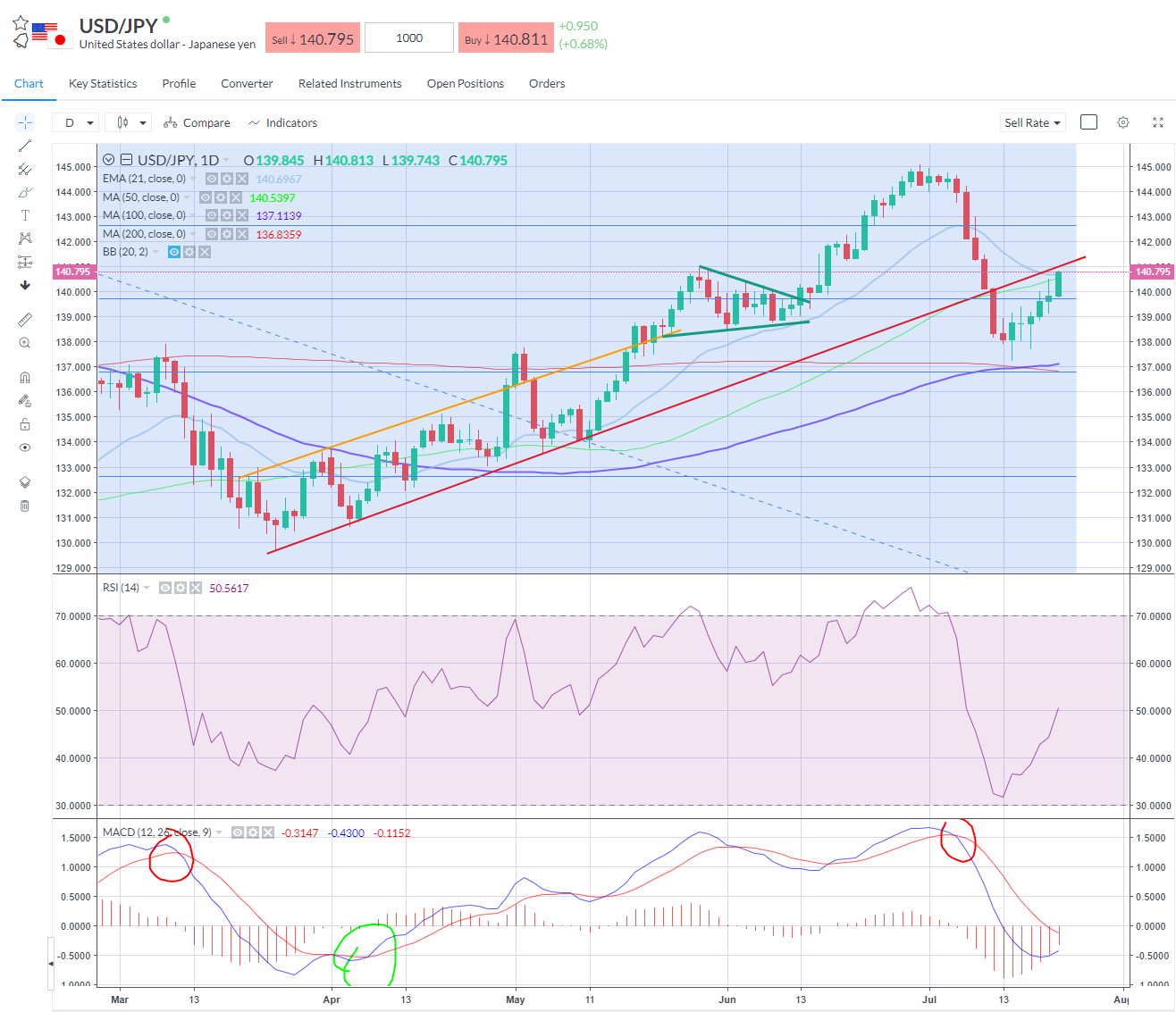
Hello, my old trend: USDJPY back to 140 and piercing the 50-day line again, eyeing resistance at the bottom of the old trend channel (red line).
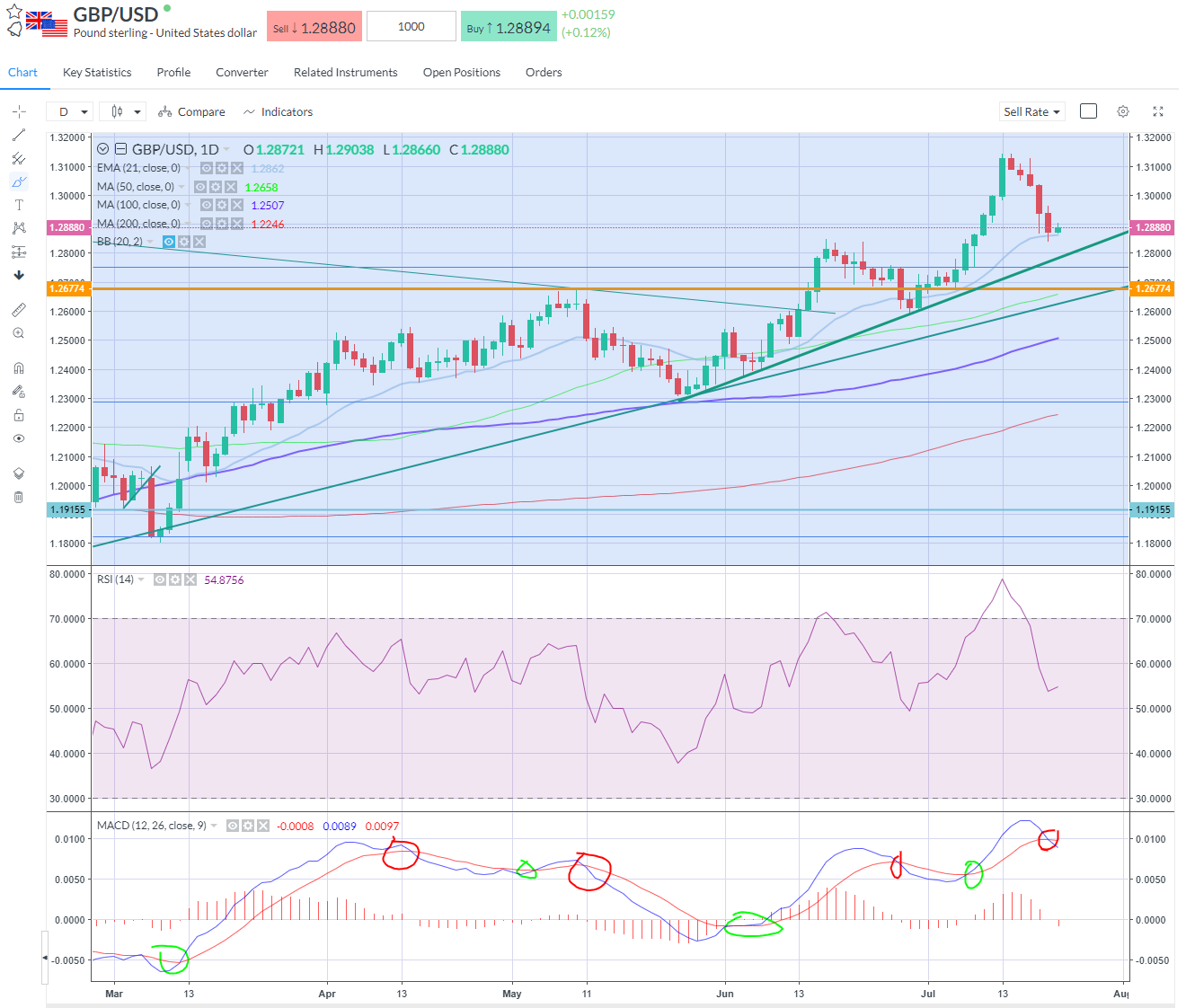
Cable is pushing up today after a sharp move lower yesterday, the 21-day EMA holding for the time being. Breach could see trend retested around 1.280 before bulls come back.
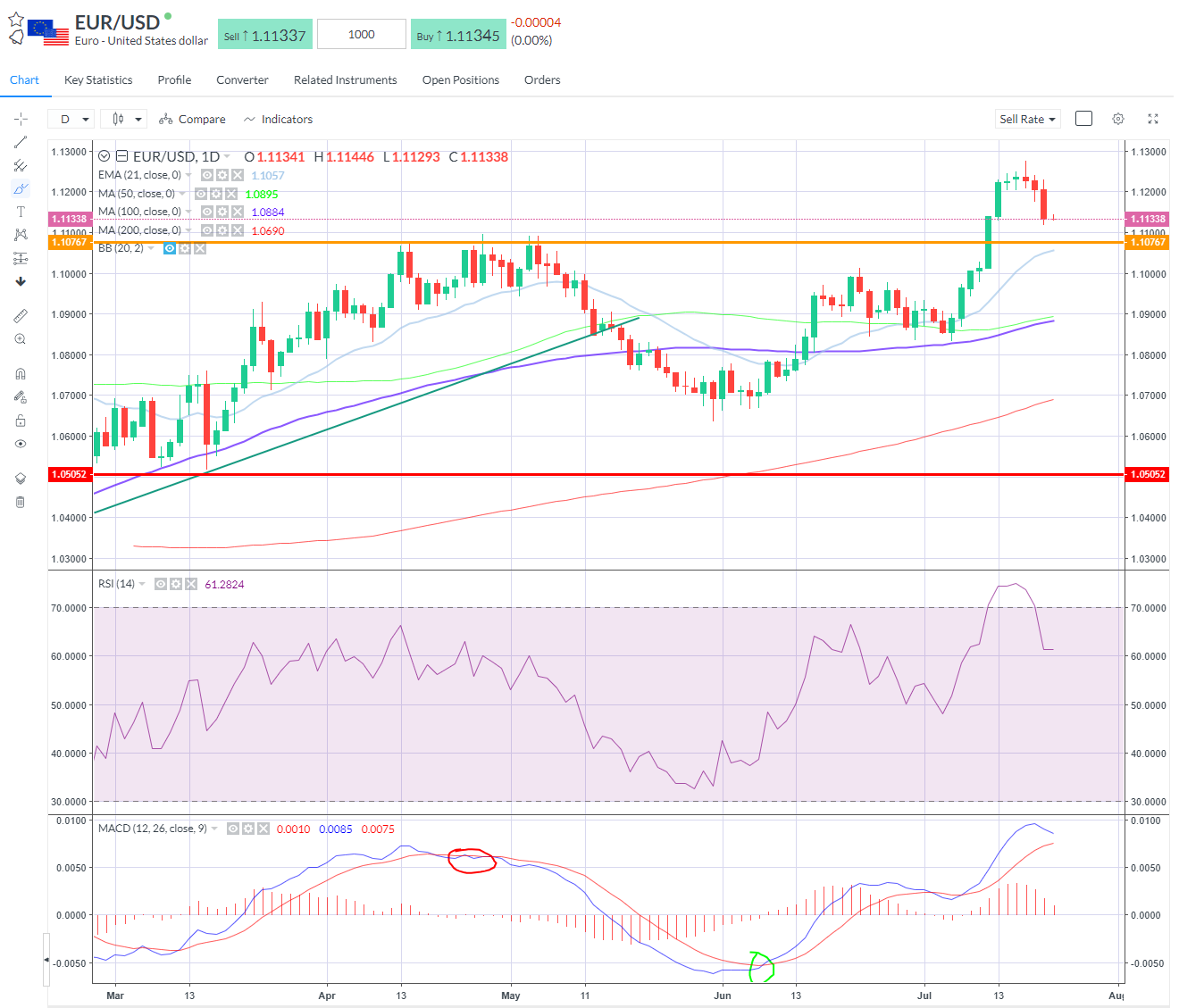
EURUSD sharply lower yesterday, bears looking to retest 1.1070 region.
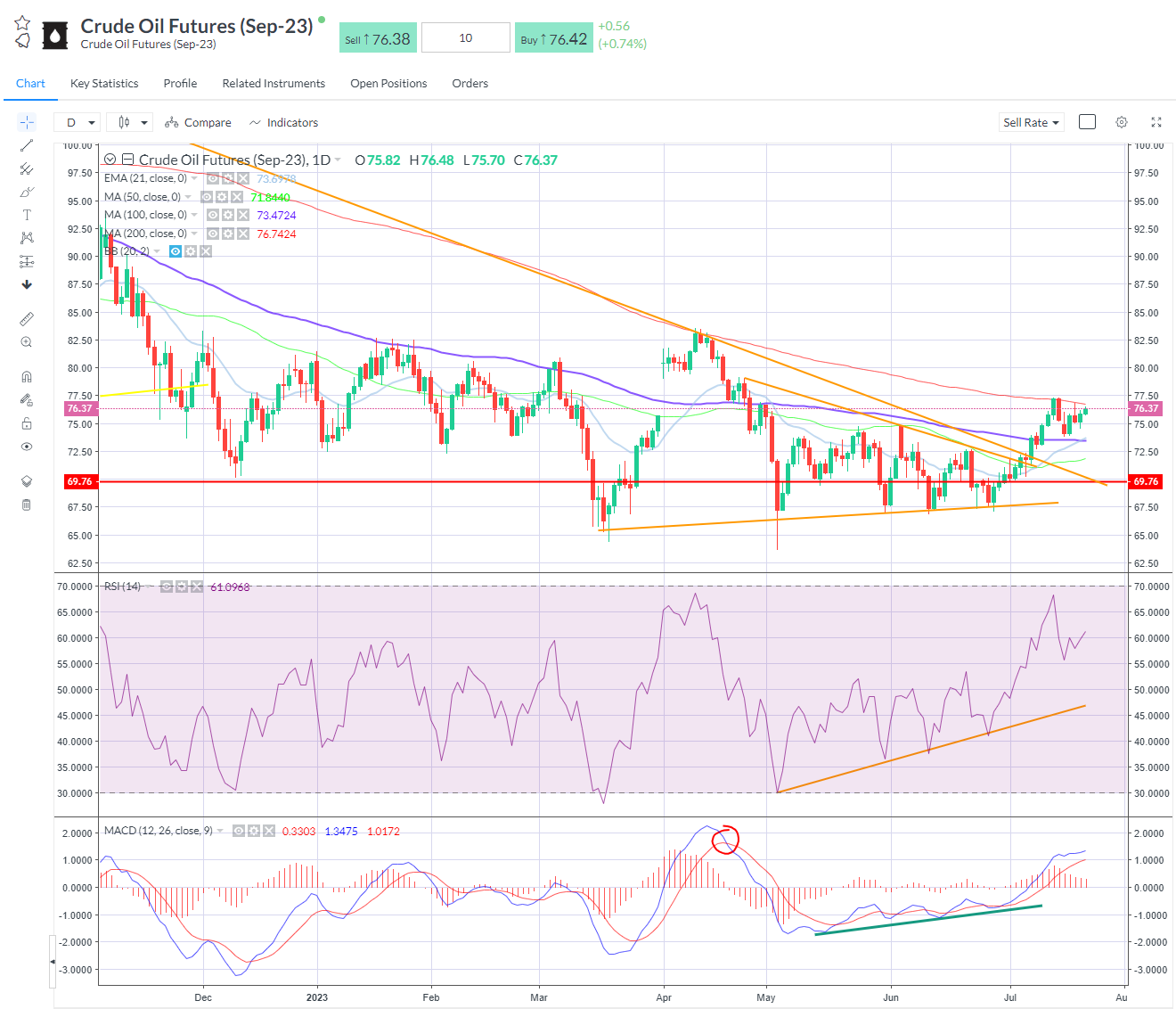
Crude oil – still consolidating below the 200-day line – bulls prepping?
Author

Neil Wilson
Markets.com
Neil is the chief market analyst for Markets.com, covering a broad range of topics across FX, equities and commodities. He joined in 2018 after two years working as senior market analyst for ETX Capital.