Stacked week, stretched tape — And Trump’s EU trade reset as the cherry on top
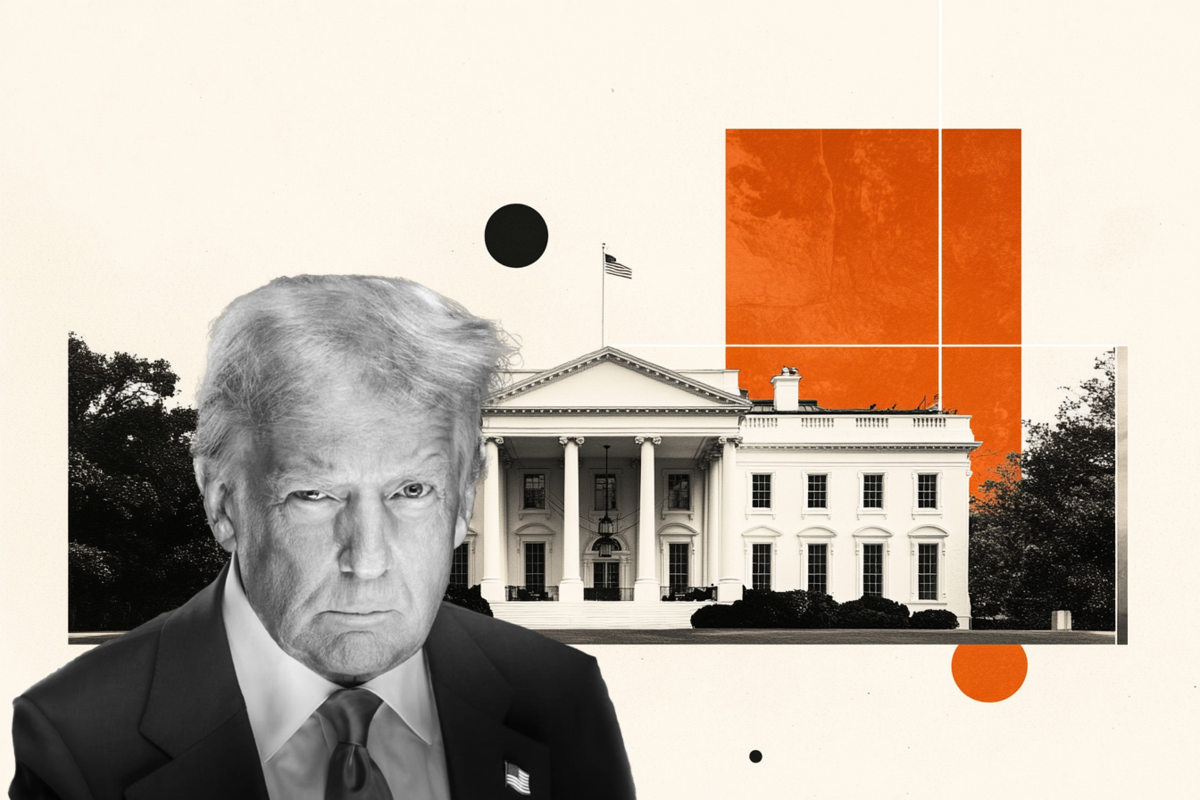

Trump didn’t retreat — He redrew the map
Trump just pulled the pin on his biggest trade grenade yet—but instead of detonation, we got a controlled blast. The U.S.–EU pact sets a 15% baseline tariff across the board, swerving away from the threatened 30% cliff and locking in $750 billion in energy buys and $600 billion in investment from Europe. That’s not de-escalation—it’s tariff normalization. The smoke cleared, but the heat’s still on.
This wasn’t some left-field shocker—it was telegraphed well in advance. The Street had been calling Trump’s bluff all month, betting he’d go for optics over escalation. And they were right. Markets had sliced this outcome into the price with surgical precision. This deal gave traders exactly what they had craved: a clean number and a reason to exhale. The result? Champagne across risk assets—not from euphoria, but from relief.
But let’s be clear: Trump didn’t escalate. He didn’t de-escalate either. He institutionalized it. This wasn’t a pivot—it was a formalization. The 15% floor isn’t a temporary truce. It’s the new operating system. Global trade has been recoded into a framework of managed friction—tariffized capitalism. Supply chains will adapt, but at a cost. Margins will bleed. Germany’s export engine now runs with sand in the gears.
The real play here? Trump didn’t pull back—he drew a hard line and handed out the blueprint. A 15% baseline becomes the new benchmark for every other negotiation. Canada, Mexico, China—they’ve all been served notice. And this week’s Stockholm meetings with Beijing? Less diplomacy, more setting the terms for economic trench warfare.
That relief rally? Enjoy it while it lasts. The market may have won this hand, but the game’s still rigged with volatility below the surface. Tariff risk hasn’t vanished—it’s calcified. What was once a threat is now policy.
So yes, equities can breathe. But FX, commodities, and global allocators? This is still a battlefield. And the rules just changed.
Stacked week, stretched tape
Coming off a five-for-five record close week, the market feels like a gambler on a heater—confident, cocky, and pushing every chip into the center of the table. We’ve just run the tape to all-time highs on fumes of soft-landing belief, AI exuberance, and a Fed that hasn’t said “no” loud enough. But now comes the real hand.
This week isn’t just busy—it’s loaded. We’ve got Powell on Wednesday, four of the Magnificent Seven reporting, GDP, payrolls, inflation data, and Trump’s tariff clock all converging in one five-day stretch. This is macro endgame stuff. And the market is leaning long, exposed, and over-positioned.
The Fed isn’t expected to move, but the risk isn’t in the rate—it's in the rhetoric. Powell’s tone is the tell. With Trump’s tariff clock ticking and inflation proving stickier than the walls of the Eccles building would prefer, does he crack the door to easing or keep the façade of control intact? So far, markets have been hearing what they want to hear—not what’s actually being said. A whiff of dovish intent, and they’re already pricing a September cut like it’s fait accompli.
Big Tech rolls in like the final table at a high-stakes poker tournament—chips stacked high, every eye on the next move. And this isn’t just earnings—it’s judgment day for the entire equity structure. Margins have held, but guidance is the real tell. Anything short of bullish conviction and the air comes out of this melt-up fast. One misstep from Apple or Amazon and sentiment doesn’t fade—it folds.
Under the surface, it’s a tale of two consumers. Wealthy households are still flying business class and buying $200 sneakers, but low-income spending is rolling over. Chipotle’s warning was a canary. The labor market is softening too—just slowly enough to avoid headlines, but fast enough to matter. Core PCE is ticking up. Hiring is downshifting. It’s not collapsing. It’s controlled deceleration. And it’s happening quietly.
Yet here we are—S&P at fresh highs, vol pancaked, consensus hanging in the air like Bangkok humidity. Not because risk vanished, but because nothing’s blown up yet. Every roll’s been boxcars, every dip monetized by retail buyers and carry tourists. But hot streaks don’t ring a bell when they die—they just stop. You open the screens one morning and the VaR gods are collecting their tithe.
This week isn’t about momentum—it’s about inflection. It’s not who’s winning the game, it’s who’s still at the table when the dealer changes the rules. The next trade hinges on who’s holding size when the tempo shifts. And this could be one of those weeks where the music doesn’t stop—but the beat stutters just enough to make the crowd uneasy.
Author
Stephen Innes
SPI Asset Management
With more than 25 years of experience, Stephen has a deep-seated knowledge of G10 and Asian currency markets as well as precious metal and oil markets.