Silver’s coma at $60 is a coiled spring. Here’s why it could break out once one driver turns
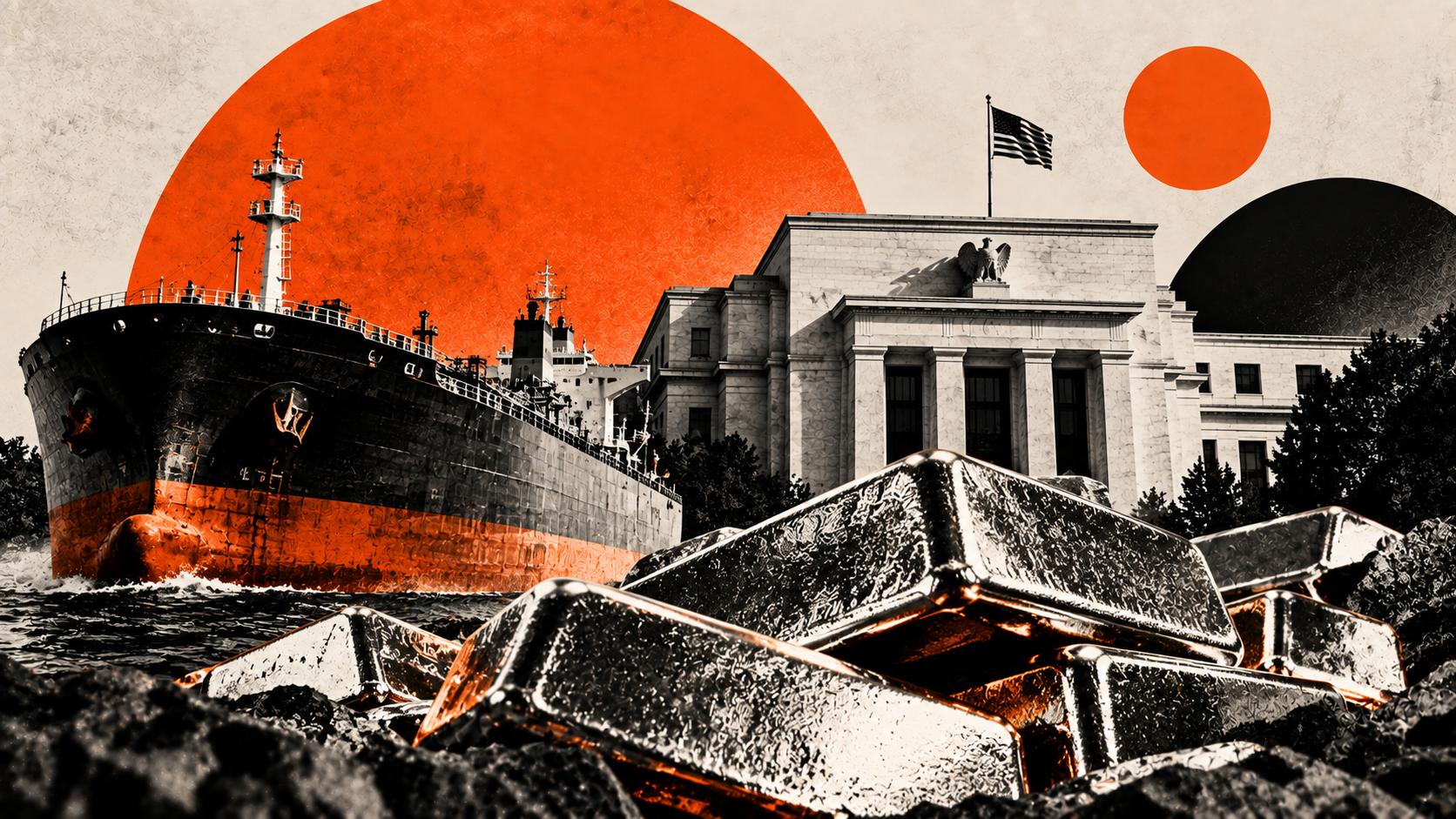
Silver (XAG/USD) is stuck around $60, stable at the lower end of its yearly range. The precious metal ignores broad US Dollar (USD) demand and hardly reacts to swings in Federal Reserve (Fed) rate-move bets or Middle East war-related headlines. In fact, Silver remains stable even with United States (US) government bond yields on the loose, with the 10-year Treasury currently offering over 5.3%, its highest in decades.
No bullish trigger, nor bearish one.
What’s keeping Silver frozen?
Multiple factors are working together to affect Silver prices. The most obvious is inflation resulting from soaring energy prices amid the Middle East war. Crude Oil prices, however, have stabilized despite ongoing tensions, and the fact that Oil flows through the Strait of Hormuz have returned. Maybe not in full force and not as before the war, but still at levels that bring relief.
Another factor is a result of the first: inflation has forced global central banks into shifting their monetary policy path. Most major central banks were looking to cut interest rates as the post-pandemic inflation shock seemed under control. Policymakers, then, had to return to the tightening path.
To no one's surprise, the Fed was pretty much the last one to react. But that’s far from weakness.
Most central banks moved preemptively, with policymakers still regretting the too-late, too-slow reaction to the 2020 shock. Sure, former Fed Chair Jerome Powell may have been a bit too conservative, but 100% based on macroeconomic data and accurate. Whether his decisions pleased Washington or not is not the Fed’s concern.
Powell’s term ended, and a new sheriff came to town: Kevin Warsh is not the head of the most powerful central bank in the world. Warsh pledged to follow data, but he is far more of a politician than an economist. Leading the Fed to hike rates for the first time in three years was not what he was planning when President Donald Trump nominated him in late 2025. But here he is doing the best he can with what he has.
Market participants welcomed news that US inflation was cooler than anticipated in August and that July data was downwardly revised. Sure, inflation is well above the Fed’s 2% goal, but down from the 4% peak posted earlier this year. Concerns that inflation is running hotter have decreased.
Besides, those softer-than-anticipated figures limit the downward case for Silver as the data reduced bets on a Fed rate hike in October, helping maintain the bright metal's lifelessness.
What would it take then for Silver to come back to life?
Well, markets react to shocks, either positive or negative ones. The unexpected is what speculative interest is now awaiting to take firmer positions one way or the other. And, as already said, the main driver is the Middle East.
A shocking scenario would be the US completely retreating from the region as if nothing ever happened, quite an unlikely outcome. Less shocking would be a resumption of hostilities in the region and an interruption of traffic through the Strait of Hormuz.
In the first case, market participants would initially bet on central banks holding their fire, but over time, bets on rate cuts would increase. The USD could become the biggest loser in such a scenario. Renewed turmoil in the Persian Gulf should boost risk aversion alongside speculation of higher Fed rates, a scenario that will keep the USD on the winning side, but metals still comatose.
Author

Valeria Bednarik
FXStreet
Valeria Bednarik was born and lives in Buenos Aires, Argentina. Her passion for math and numbers pushed her into studying economics in her younger years.
















