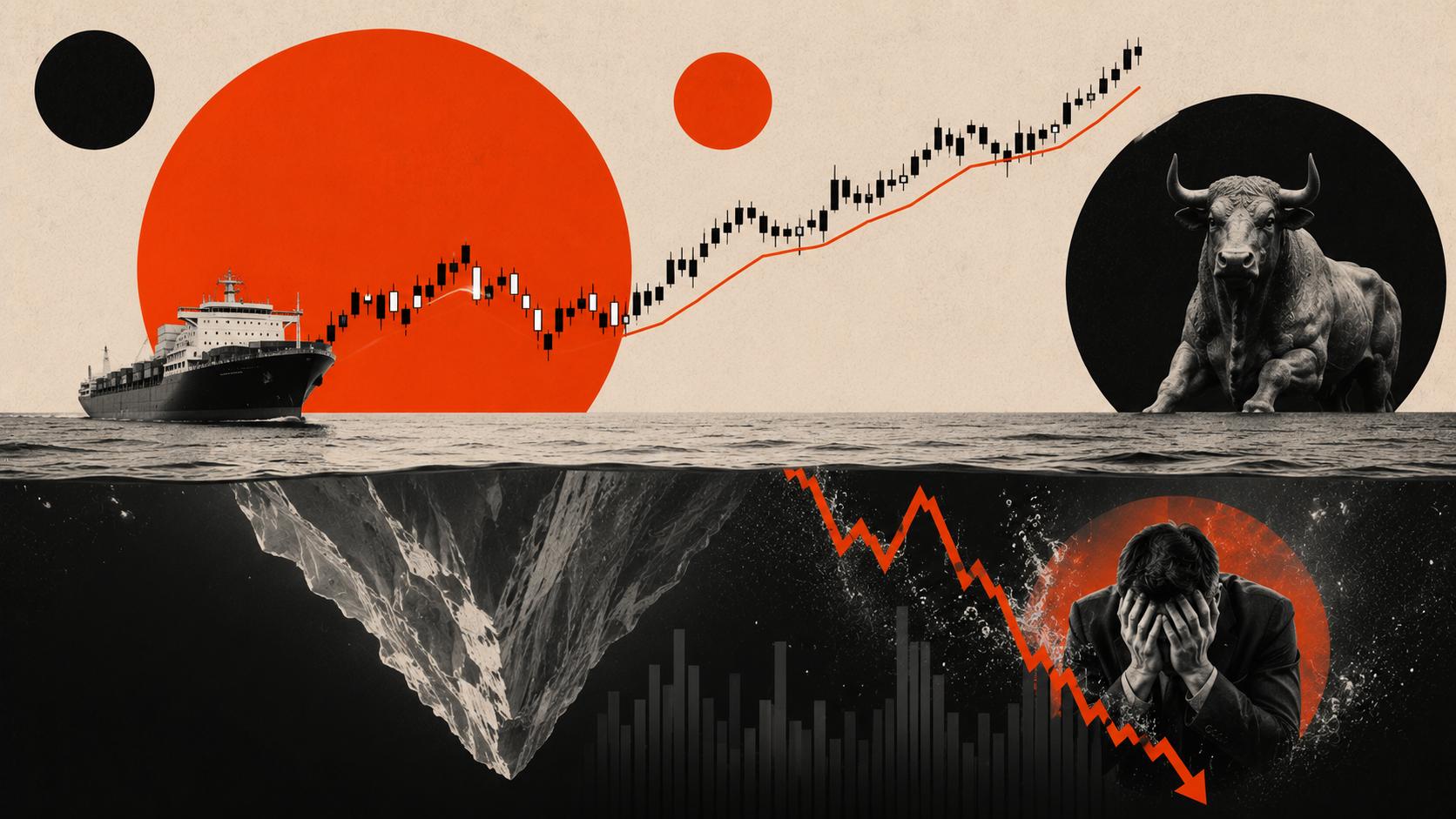
Shutdown theatre: Markets unbothered, Washington unmoved

There’s a peculiar calm in the capital when the lights go out. The marble halls are quiet, the corridors echo with what-ifs, and the U.S. government runs on fumes and IOUs. Yet the stock market—the one institution that usually slaps Washington awake when the show goes too far—has decided this time to sit back, sip its latte, and cheer itself to fresh highs. It’s as if traders are watching the government drama like a rerun, confident that the ending never really changes.
In political terms, the script is familiar: both sides claim they offered the “clean” deal. Republicans say they’ve put forward a tidy extension of spending authority through mid-November, no strings attached. Democrats reply that “clean” isn’t good enough—not when health-care subsidies are set to expire and premium notices go out November 1. This, they insist, is the last train out before voters notice the cost of coverage rising. Somewhere in that tug-of-war, the traditional bipartisan rhythm of deal-making has been replaced by a new kind of legislative brinkmanship—one in which even after Congress authorizes the money, the administration can still claw it back through the rescissions process. It’s like budgeting with an undo button, and that’s thrown the old playbook into chaos.
For the market, the fascinating part isn’t the politics—it’s the indifference. Normally, when Washington stops paying its bills, traders demand a risk premium. Not this time. The S&P hums higher, volatility melts away, and investors chase carry trades as if the shutdown were some extended national holiday. The logic is simple enough: no data means no surprises. With major releases delayed, the macro narrative loses texture; the Fed’s roadmap stays unchallenged; the machines feed on calm. In this kind of information blackout, quiet is bullish. You can’t fear what you can’t see.
Still, every drama has its breaking point. The real deadline isn’t a fiscal one but a moral one—October 15, when active-duty soldiers would miss a paycheck. In all the long, messy history of shutdowns, that line has never been crossed. Once the risk of stiffing the military lands on cable news, someone—likely the president himself—will step forward to offer a concession dressed as magnanimity: a promise to revisit health subsidies, a handshake across the aisle, a partial reopening. The market will barely blink; it has already priced the ending.
For now, the trader’s playbook runs along three quiet channels. First, low-volatility carry thrives in this vacuum; the world’s funding desks turn to higher-yielding currencies and safer funding legs—CAD being a current “funder” favourite for its USD beta and cheaper carry profile. Second, the longer the furloughs drag on, the greater the risk that the labour market narrative begins to fray, undermining the “re-acceleration” story that has quietly powered the latest wave of U.S. exceptionalism — a dynamic that could ultimately weigh on the dollar. Third, if the shutdown stirs a return to “Do-It-Yourself Government” economics—where fiscal prudence masquerades as austerity—the dollar will take another hit as investors sniff out less stimulus down the road.
But don’t mistake this calm for resolution. The market’s shrug is less confidence than muscle memory. Traders have seen this film before: the lights go out, the headlines rage, the data stops, and then—just before the credits roll—they all agree to fund the government for a few more months. It’s fiscal Groundhog Day, and everyone knows the punchline.
Until then, Wall Street will keep climbing the wall of worry, Washington will keep pretending it’s building something, and the traders will keep humming along to the same tune—because in Foggy Bottom, dysfunction isn’t a crisis anymore; it’s the baseline.
Author

Stephen Innes
SPI Asset Management
With more than 25 years of experience, Stephen has a deep-seated knowledge of G10 and Asian currency markets as well as precious metal and oil markets.