Rumours of intervention have rattled USD/JPY
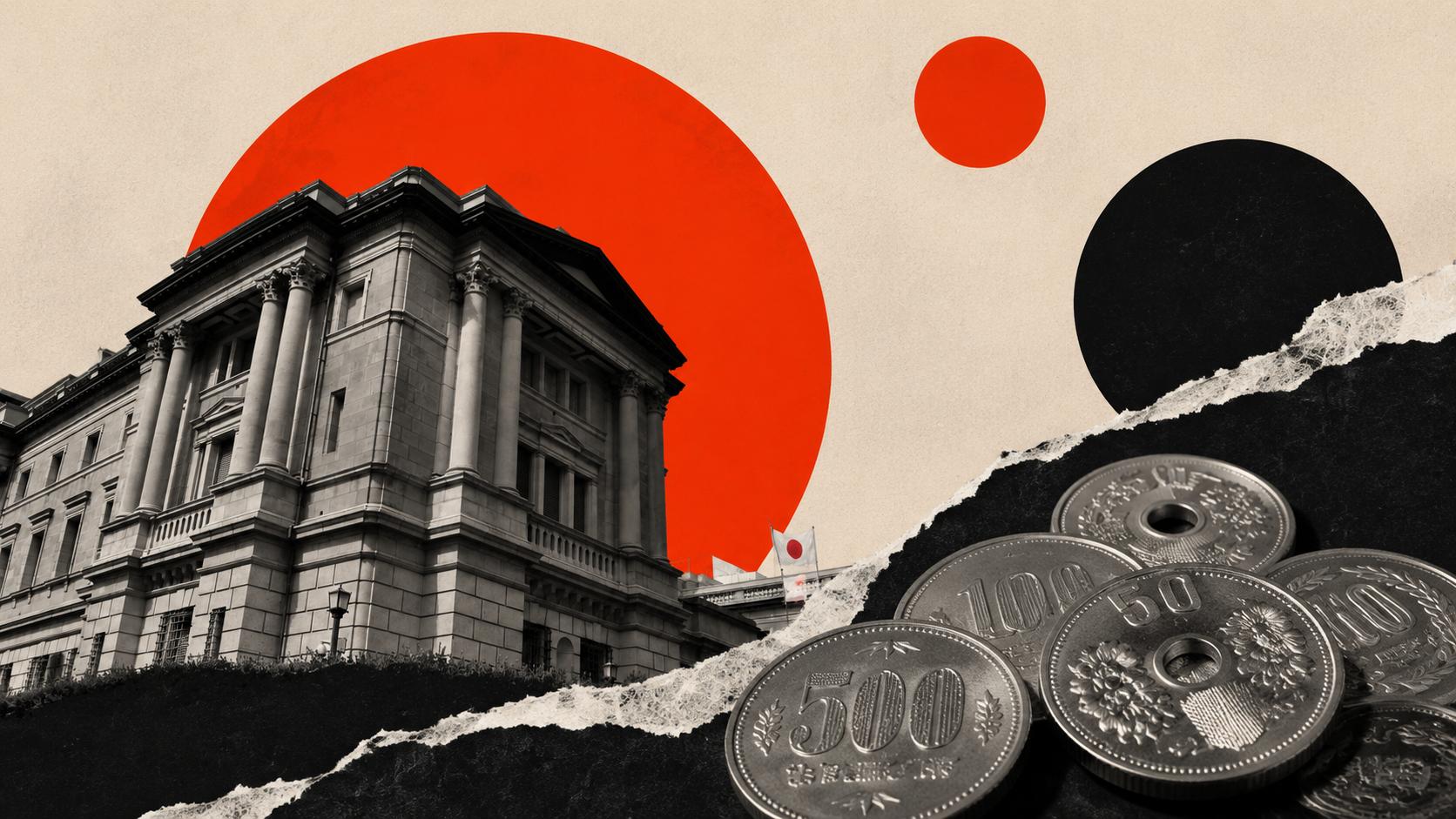
Fear has a way of magnifying things. The sharp fall in USDJPY in the run-up to the US bank holidays prompted rumours of a new round of currency intervention to circulate widely in the market. At the turn of April and May, Japan spent around $73 billion on such interventions, but only to buy time, not to reverse the upward trend. Could the authorities have made a second attempt?
The catalyst for the USDJPY sell-off was a Reuters report by an insider about a change in the government’s strategy. Previously, it had warned of intervention in the forex market, but it now has no intention of doing so. A currency intervention could have taken place at any moment, and speculators fell for it. They began to sharply unwind their net long positions, which had reached their highest level since 2007 by the week ending the 30th of June, leading to a sharp strengthening of the yen.
Evidence that Japan did not carry out currency interventions is that USDJPY did not fall during trading on the 3rd of July, when US markets were closed, and a lack of liquidity could have led to a serious collapse. Furthermore, the US dollar quickly returned to 162. It took more than a month and a half to reach 40-year highs following the intervention in April and May.
Fear quickly gave way to greed. Speculators are betting on a wide yield spread between the US and Japanese debt markets. With the Fed set to tackle inflation and tighten monetary policy, the BoJ’s sluggishness is playing a cruel trick on the yen. Goldman Sachs has raised its year-end USDJPY forecast from 155 to 165, citing a divergence in monetary policy.
Pressure on the yen is being fuelled by rumours that Sanae Takaichi will continue to press the Bank of Japan. It is said that the Prime Minister intends to fill the Board of Governors with doves and, during a face-to-face meeting, demanded that Kazuo Ueda pursue a policy in line with the administration’s principles. Undermining the central bank’s independence typically weakens the currency. The government was even forced to issue a denial, dismissing as false press reports that it was encouraging low interest rates as part of its fiscal stimulus policy.
Summary: USDJPY rebounded after intervention rumours faded, with wide US-Japan yield gaps, BoJ caution, and political pressure keeping the yen under strain.
Author

Alexander Kuptsikevich, a senior market analyst at FxPro, has been with the company since its foundation. From time to time, he gives commentaries on radio and television. He publishes in major economic and socio-political media.