Reserve Bank of New Zealand Preview: Hitting the repeat button despite hard-landing fears
- The Reserve Bank of New Zealand is seen raising OCR by 50 bps to 2.5% in July.
- Hard-landing risks unlikely to dissuade the RBNZ at this policy meeting.
- The kiwi could see a brief correction if the central bank sticks to its hawkish stance.
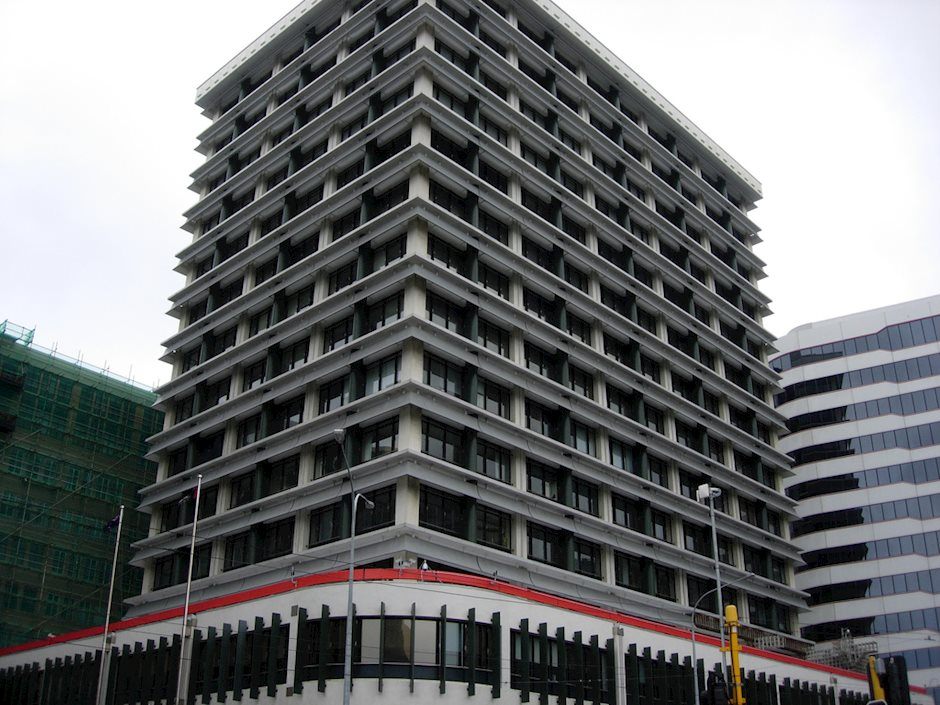

The Reserve Bank of New Zealand (RBNZ) is on a hat-trick, as it is set to hike the key policy rate for the third meeting in a row this Wednesday. With increasing odds of a global recession, will the central bank hint at any slowdown in its pace of tightening? What would it mean for the NZD/USD pair?
RBNZ forward guidance holds the key
The RBNZ’s third consecutive 50 bps rate increase on Wednesday will lift the Official Cash Rate (OCR) from 2% to 2.5%. The central bank kicked off its tightening cycle in October 2021 and since then has resorted to super-sized rate hikes to fight raging inflation.
The policy announcement will not be accompanied by any updated projections or be followed by Governor Adrian Orr’s press conference.
A majority of the economists forecast the RBNZ raising rates by 50 basis points to 2.50% at its July 13 meeting while expecting the OCR to reach 3.50% or higher by the end of this year.
In its May policy meeting, the RBNZ continued with its hawkish forward guidance by raising its forecast for the terminal rate to a 3.9% peak by mid-2023 from 3.35% previous. It also emphasized a “commitment to ensuring consumer price inflation returns to within the 1 to 3 percent target range.”
Heading into the policy announcements, the South Pacific Island nation tolerates a 30-year high inflation rate of 6.9%, reported in the first quarter of 2022. The inflation expectations in the coming months are expected to remain higher, suggesting that the central bank will stay on its hawkish course to control inflation without risk of hard-landing. The RBNZ’s inflation target range is 1-3%.
It’s worth noting that New Zealand's economy contracted marginally in Q1, with GDP falling by 0.2%, raising fears of a technical recession should the kiwi central bank’s aggressive rate hike stance deteriorate the economic activity further.
The risks of hard-landing are unlikely to dissuade the RBNZ from delivering a super-sized rate hike this month, although it could alarm the bank if the economy is tipping into a recession. Fresh lockdowns in China due to covid flareups, surging energy costs and Fed’s aggressive tightening path are also already amplifying fears of a globalized recession. Therefore, the RBNZ could be compelled to slow down on its rate-hike track potentially from its August meeting.
Trading NZD/USD with RBNZ decision
Wednesday’s RBNZ announcement could rescue NZD bulls from over two-year lows, should the bank stick to its hawkish guidance on the interest rates. In such a case, NZD/USD could rebound towards the 0.6200 level. A recovery in risk sentiment combined with a broad US dollar retreat is critical to aiding the pullback in the currency pair.
The kiwi pair could resume its downtrend towards 0.6000 if the central bank raises concerns over the economic slowdown and turns rather cautious. This could be seen as a dovish rate hike and negative for NZD buyers.
NZD/USD’s reaction to the RBNZ outcome could be brief, as the dynamics of the dollar and the market’s risk perception will play a pivot role.
Premium
You have reached your limit of 3 free articles for this month.
Start your subscription and get access to all our original articles.
Author
Dhwani Mehta
FXStreet
Residing in Mumbai (India), Dhwani is a Senior Analyst and Manager of the Asian session at FXStreet. She has over 10 years of experience in analyzing and covering the global financial markets, with specialization in Forex and commodities markets.