RBA Keeps Rates Steady as Economic Uncertainties Persist
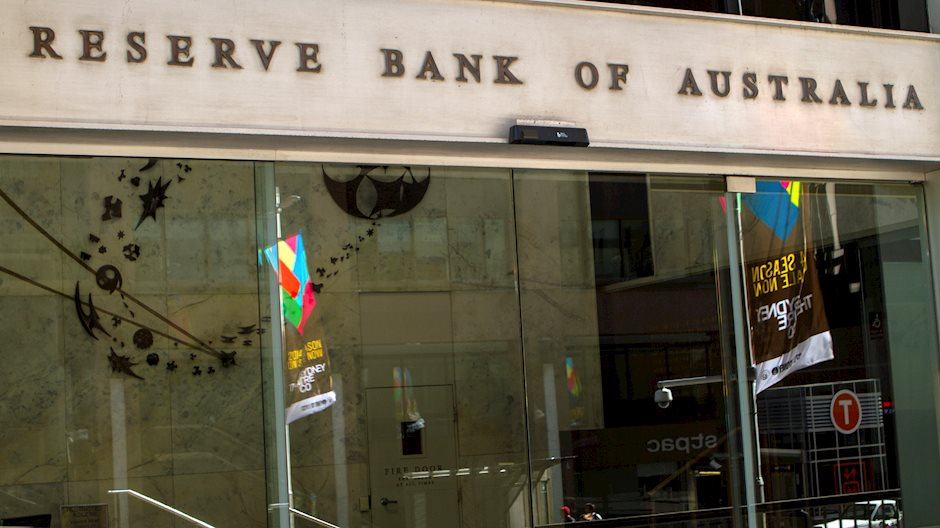

The Reserve Bank of Australia kept its cash rate unchanged at its July monetary policy meeting. International trade policy, persistently subdued wage growth and tightening credit conditions remain concerns for the RBA.
Wage Growth and Inflation Remain the Key to an RBA Rate Hike Signaling its comfort with current monetary policy and its ability to foster continued growth in the overall economy, the Reserve Bank of Australia (RBA) kept its cash rate unchanged at 1.50 percent at its July monetary policy meeting (top graph). Despite the actions of many central banks across the world who are beginning, or continuing, to normalize policy, the RBA continues to maintain its record low level of interest rates since August 2016. This decision was widely anticipated among financial markets, as there has been no expectation of an imminent rate hike in Australia. While the next move by the RBA will likely be an increase in rates, policymakers remain cautious, as higher rates have some potential to stall economic growth.
Overall economic conditions simply do not yet warrant a tightening of rates. Despite solid first quarter GDP growth, the Australian economy continues to be constrained by an indebted consumer, which is an area of focus for policymakers. With little evidence of long-awaited wage growth and elevated levels of household debt not yet subsiding, there is no particular reason for the central bank to increase borrowing costs at this point. The RBA also highlighted international trade policy as an area of concern for the outlook. Labor market conditions, however, point to an eventual reversal in lackluster economic trends. The unemployment rate has moved lower and is currently at 5.4 percent, the lowest rate in about six years (middle graph). A high job vacancy rate and increasing reports of skill shortages among workers were also highlighted by the RBA in its July monetary policy decision. Those firming labor market conditions could eventually lead to faster wage growth and build inflationary pressures, although seemingly not yet.
Another area of uncertainty is the Australian housing market. Tightening credit conditions have begun to weigh on the housing market, evidenced by the eighth consecutive drop in home prices for June. Housing approvals fell 3.2 percent in May, which is the fourth decline in six months, suggesting an overall downward trend in housing approvals. The tightening in credit conditions, as well as housing indicators, suggests, in our view, that downward pressure on the housing market is likely to persist.
While underlying growth trends in the Australian economy are gradually firming, inflation remains contained to date (bottom graph), restraining the RBA from tightening policy at this time. Broad improvement in global growth and commodity prices could be supportive of the Australian currency in the near-to-intermediate term; however, a larger gain in the currency is likely not to materialize for some time. We expect the RBA to eventually raise rates, but not until there is greater evidence of higher wages and inflationary pressures.
Author
Wells Fargo Research Team
Wells Fargo