Powell’s Wyoming mic the only trade that matters — Market 80% priced for September cut

All about Jackson Hole
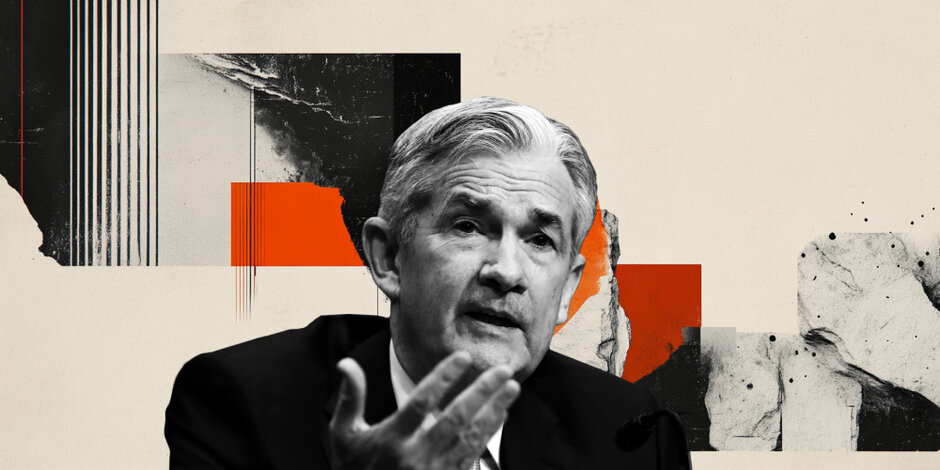
The July FOMC minutes hit the tape last night and barely stirred the dollar’s drink. Whatever hawkish tint traders tried to extract was stale — a snapshot taken before the July jobs rug-pull. The Fed’s language on a “solid” labor market now reads like yesterday’s newspaper, lining the bin after payrolls turned soft. The street has already shifted its gaze forward, waiting to hear Powell at Jackson Hole tomorrow. He’s the one who will tell us if the Fed’s compass has recalibrated after those back-month revisions exposed the labor market as more fragile than policymakers dared to admit.
Bostic steps up first this afternoon, and he’s been dropping hints that a cut this year is on his dance card — but only one, a trim rather than a cycle. Traders will tune in, though the real orchestration belongs to Powell on Friday.
One small nugget buried in the minutes: foreign holdings of US assets look stable. That’s quietly supportive for the dollar, a rebuttal to all the “sell America” doom-porn making the rounds when tariffs hit the headlines. No exodus, no capital strike — just steady hands abroad, which keeps the greenback from wobbling.
The US calendar today offers up jobless claims, flash PMIs, and existing home sales. None are likely to set the world ablaze, but they’ll keep traders busy until the main act in Wyoming. Political noise around Lisa Cook’s potential resignation gave the dollar a flicker yesterday, but the market’s long since learned to fade Washington theatrics. After all, Powell himself is a frequent target of presidential fire, and yet the Fed still mans the tiller.
On the euro side, the story tilts heavier. Optimism around a ceasefire in Ukraine is evaporating as fast as oil prices are rising. Gas and crude have both gone bid in the last 24 hours — an energy shock that plays dollar-positive and euro-negative. Lavrov’s line that China must be part of any security guarantees only underlines how wide the diplomatic canyon still runs. Trump’s recent soft touch with Beijing might be tactical, but geopolitics has a way of snapping back like an overstretched band. Secondary sanctions are the card still waiting in Washington’s pocket.
Eurozone PMIs land today, with little expectation for a rebound. EUR/USD is treading water, but the breakout key is still Powell’s speech tomorrow. Traders want to know whether he resists the market’s conviction that September delivers the first 25bp cut, with odds hovering north of 80% despite hotter PPI cooling the enthusiasm. A full 50bp is still priced for year-end, but that path depends on Powell’s tone.
The bond market is already whispering the script: 10s steady near 4.29%, 2s at 3.75%, and the curve steepening as traders front-run the Fed’s pivot. Risk assets and beta FX are the ones with skin in the game here. If Powell pulls the punch bowl back on Friday, disappointment could wash through equities and carry trades alike. If he gives the market its nod, the dollar bleeds lower and gold shines brighter.
Right now, it’s not about parsing old minutes. It’s about listening for Powell’s signal. Until then, the dollar sits in neutral, waiting for the ignition.
Trader view: Powell to support a september rate cut
Jackson Hole weekend is where central bankers step out of their ivory towers, slip on the fleece vests, and try to convince markets they’ve got control of the wheel. Sometimes it’s theatre, sometimes it’s policy history in the making. This year, it’s about Powell standing on stage with a choice: acknowledge the cracks in the labor market and open the September door wider, or hide behind academic nuance and leave traders dangling until payrolls and CPI drop in early September. Either way, the stakes are higher than the mountains surrounding Wyoming.
For years, Jackson Hole has been the Fed’s launchpad for regime shifts. 2019 gave us easing hints. 2020 delivered FAIT, a framework shift that aged like milk and lit the fuse for the hottest inflation run since Volcker’s days. 2021 was the taper foreshadow. 2022 slammed “higher for longer” into the tape. 2023 softened into “proceed carefully.” Powell knows history remembers what gets said here. Markets do too. That’s why even if positioning is subdued, the event commands attention.
The theme this year — “Labor Markets in Transition” — couldn’t be better timed. The July payroll report detonated the idea of a solid labor backdrop, not just missing expectations but dragging May and June lower with ugly revisions. Net revisions of –258k gutted the narrative, and Powell himself had already warned in July that headline hiring may, after revisions, prove close to zero. The job market isn’t imploding, but the breakeven job growth rate has collapsed, immigration and aging demographics are pinching labor supply, and the unemployment rate holding at 4.2% suddenly feels less like stability and more like the calm before layoffs accelerate.
Markets wasted no time. September cuts are 80% priced, and futures traders are debating whether the real option is 25bps or 50bps. Fifty is unlikely — Powell won’t blow the door off before NFP and CPI in early September — but he could shade the message dovish enough that the cut is all but baked. A strong signal Friday would effectively front-run those prints, and history suggests Powell prefers optionality. But in a market conditioned to pounce on nuance, even a modest tilt toward “labor risks outweigh inflation” will be enough to lock September in.
The balancing act is messy. Powell can’t be seen as panicking about jobs without sparking fresh inflation fears. Push too hard on the employment side and traders will run with “the Fed is reflating.” Hold too tight to inflation and the Fed risks looking blind to deterioration that’s already in plain sight. Powell’s challenge is to sell a cut as risk management — not capitulation. The Fed has long lived in the rearview mirror, but this is one of those moments where forward guidance matters.
Beyond Powell, the backdrop matters. Trump’s shadow looms: he could soon re-shape the Fed board, potentially adding three new governors if Powell steps aside and other seats come open. The institution’s credibility, already bruised by the FAIT debacle and the slow inflation response, is under pressure. Markets know politics and policy are colliding, and Jackson Hole is the stage where those crosswinds get acknowledged, even obliquely.
Desks are split on how much Jackson Hole matters this time. Some call it inconsequential — the real dice roll comes with September’s data. But the pattern across the past five years is clear: Powell rarely steps up to this podium without moving markets. Options markets are oddly ignoring that, smashing implied volatility as if nothing could surprise. That’s complacency. Traders know that when vols are cheap and risk is mispriced, you don’t fade the possibility of fireworks.
So here’s the setup heading into the weekend:
- Scenario one: Powell leans dovish, stressing labor market risks, downplaying tariffs as one-offs, and nudging markets toward September cuts. Dollar softens, bonds rally, equities breathe.
- Scenario two: Powell hedges, keeps “well positioned to wait” language, punts to September data. Market pricing wobbles, longs take profits, and positioning resets.
- Scenario three: A true curveball — Powell resurrects pre-emptive tightening rhetoric under the banner of “framework review.” That would shock a market leaning dovish and torch bonds.
History suggests scenario one is most likely. Powell won’t decisively pre-commit, but the tone will matter. If he reinforces that jobs risk trumps inflation stickiness, traders will have their green light. If he clings to ambiguity, then September 5 NFP and September 11 CPI become the final referees.
Either way, this isn’t just another academic conference. It’s a policy inflection point with global spillovers. And while the fleece vests and mountain scenery may project calm, the reality is this: Powell knows the table is watching, the dice are in his hand, and one slip of tone can move billions.
Author
Stephen Innes
SPI Asset Management
With more than 25 years of experience, Stephen has a deep-seated knowledge of G10 and Asian currency markets as well as precious metal and oil markets.

















