Pound gives back gains as strong US data shifts focus back to the Dollar

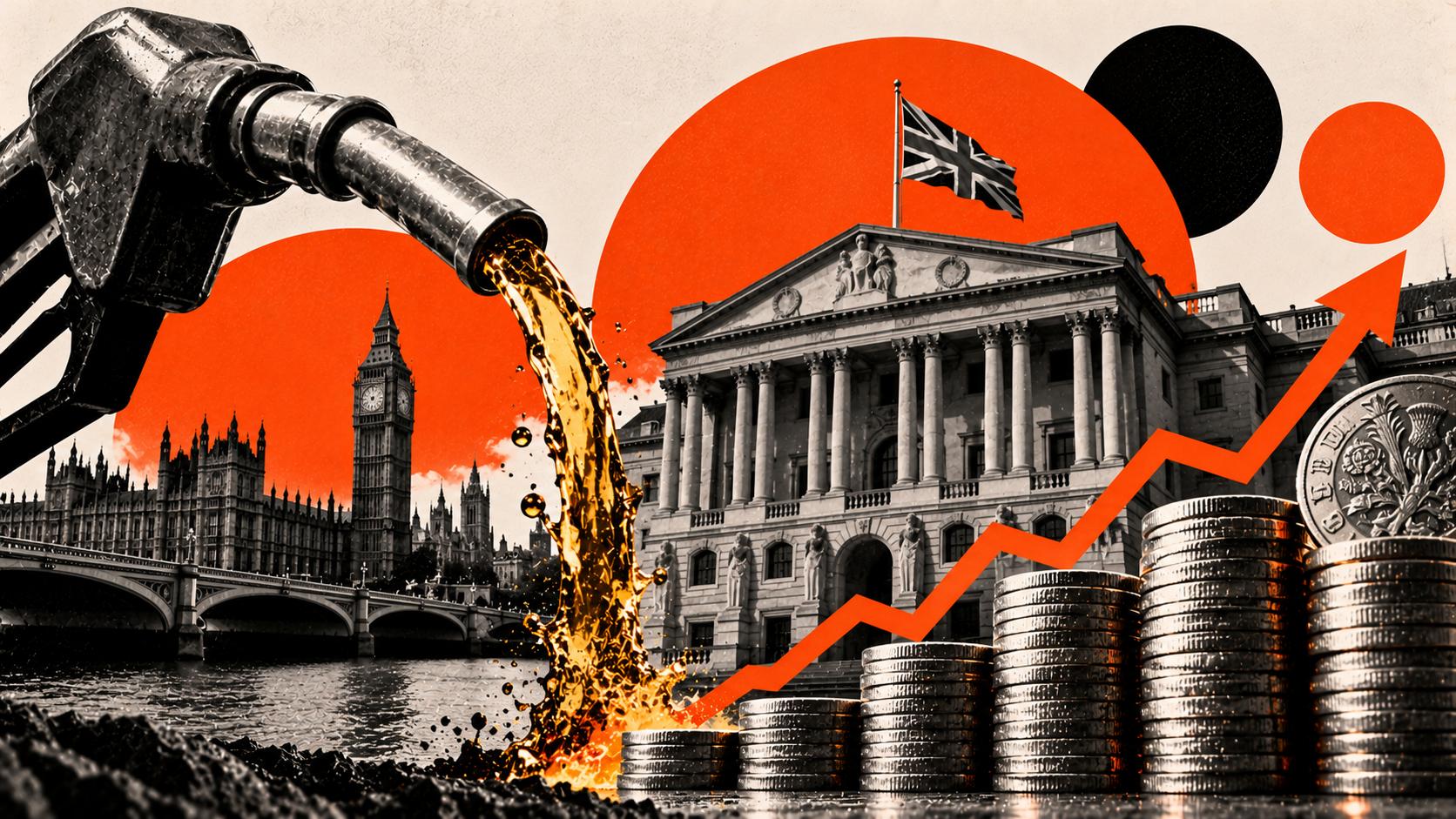
The pound-dollar initially strengthened as investors welcomed signs that the UK's fiscal outlook could remain disciplined under a new government. Reports that Burnham is expected to appoint Mahmood as Chancellor helped ease concerns over future government borrowing, while rising oil prices reinforced expectations that the BoE may need to keep monetary policy restrictive for longer.
Fiscal policy has become an increasingly important driver for sterling. Markets have remained sensitive to the UK's public finances in recent months, and expectations that the next Chancellor could maintain a more fiscally cautious approach helped improve confidence in UK assets. At the same time, higher energy prices continue to present upside risks to inflation, complicating the BoE's task of balancing price stability against a slowing domestic economy.
However, sterling's gains proved short-lived as stronger-than-expected US economic data shifted attention back to the dollar. Jun retail sales rose 0.2%, while Initial Jobless Claims fell to 208k, reinforcing the view that the US economy remains resilient despite signs of moderating growth. The data prompted investors to scale back expectations of near-term Fed easing, supporting the dollar and encouraging some profit-taking in the pound.
"Sterling continues to reflect a balance between improving confidence in the UK's fiscal outlook and a US economy that remains relatively resilient. While expectations for UK monetary policy have provided support for the pound, incoming US economic data continues to shape broader dollar sentiment. As a result, market participants are likely to remain focused on central bank expectations, energy prices and developments affecting the relative growth outlook in both economies," says Krisada Yoonaisil, Financial Markets Strategist
For traders, attention now turns to further US inflation and labour market data, as well as any signals from the BoE ahead of its next policy meeting. Geopolitical developments and energy prices are also likely to remain important drivers of volatility, given their potential impact on inflation expectations on both sides of the Atlantic.
Author

Krisada Yoonaisil
Exness
BSc in Mechanical Engineering – Chulalongkorn University MSc in Financial Management – University of Exeter CMT Level III candidate Former analyst and portfolio manager in multi-asset environments