Politics dominates currency markets
USD – Continued pressure from US politics
As has been clearly evident in recent weeks, US President Trump's domestic, foreign, and trade policy maneuvers continue to cause periods of weakness for the US dollar. Most of Trump's tariffs have been ruled illegal by the Supreme Court, which has led to genuine disappointment for Trump and new uncertainties. The independence of the US Federal Reserve will be put to the test under the designated Fed chairman Kevin Warsh, who is politically aligned with Trump. A possible military conflict with Iran is casting its shadow. We also believe that the pendulum of relative economic momentum and the likely decline in interest rate advantage will work in favor of the euro. Overall, we see continuing negative factors for the USD and expect the US dollar to depreciate further against the EUR.
Yen – Weak despite Takaichi's landslide victory
After Prime Minister Takaichi won a landslide victory in the early elections, the yen remains weak. With Takaichi's coalition holding a three-quarters majority and her Liberal Democratic Party (LDP) holding a two-thirds majority, it remains to be seen whether she will actually implement her announced economic stimulus programs and tax cuts, such as the suspension of VAT on food. Governor Ueda further emphasized that the Bank of Japan (BoJ) would raise interest rates if economic data justified interest rate hikes. We assume that the BoJ will leave key interest rates unchanged for the time being in this political environment. We expect the EURJPY to trend sideways.
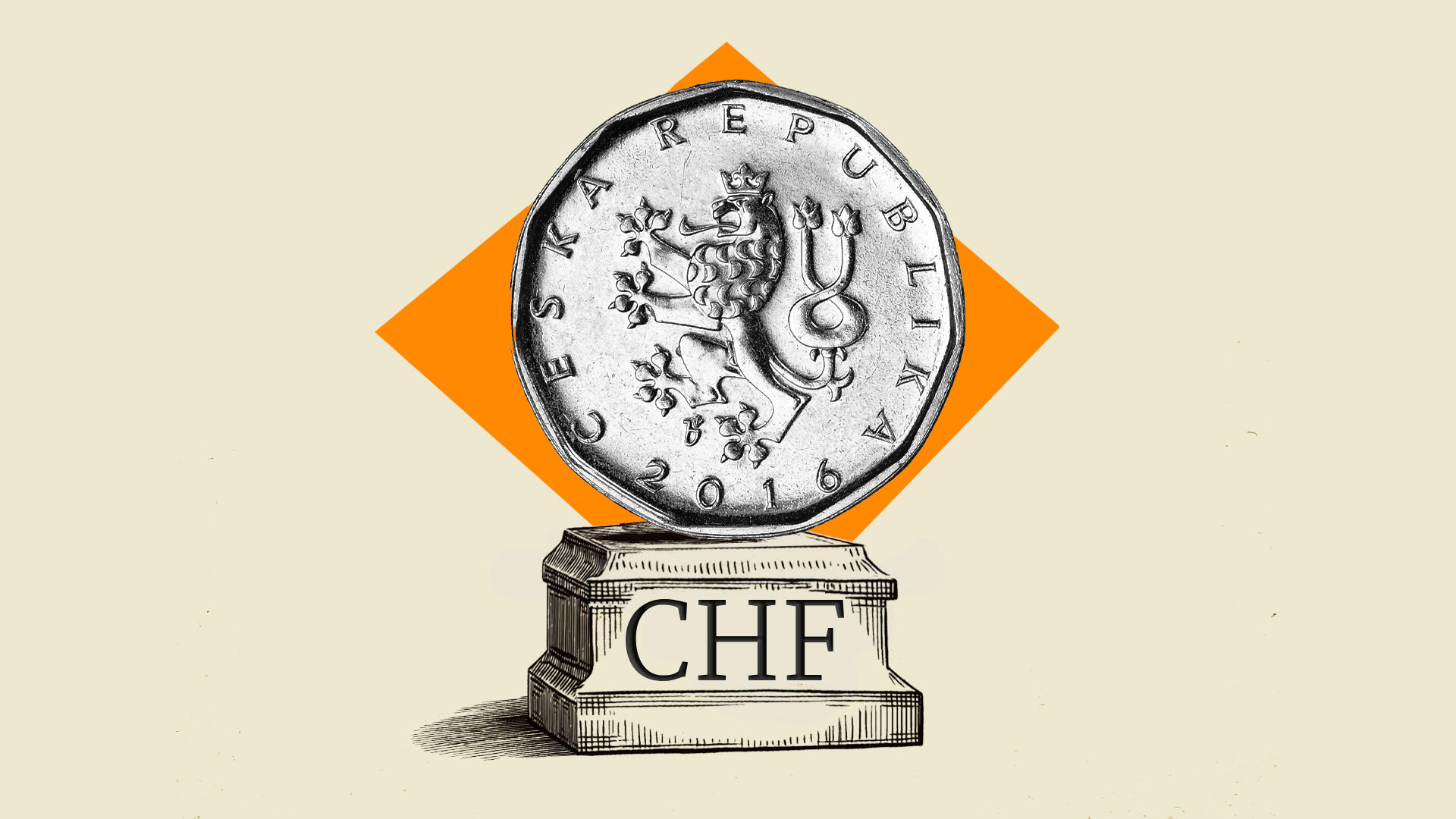
CHF – Strength in a phase of increasing uncertainty
Given the constantly changing trade and geopolitical landscape, often triggered by the US in recent months, and uncertainty about the economic and inflationary impact of these shifting dynamics, there were good reasons for defensive currencies such as the CHF. Switzerland's favorable structural conditions, including a relatively resilient economy and positive long-term fiscal and external economic prospects, contribute to the franc's appeal as a safe haven. However, we expect the CHF to depreciate slightly in 2026, partly due to stronger economic momentum in the eurozone, barring a significant correction in the equity markets or a renewed flare-up of (geo)political tensions. We consider the current strength of the CHF to be temporary. With the exchange rate close to 0.9 against the euro, the risk of intervention by the SNB via the EURCHF channel should not be ignored. An appreciation of the CHF is not welcome for the SNB at a time when inflation is very low at 0.1% year-on-year, as further appreciation would mean a sustained import of deflation.
Author

Erste Bank Research Team
Erste Bank
At Erste Group we greatly value transparency. Our Investor Relations team strives to provide comprehensive information with frequent updates to ensure that the details on these pages are always current.

















