Outlook for the markets under Trump 2.0
Election results and distribution of power
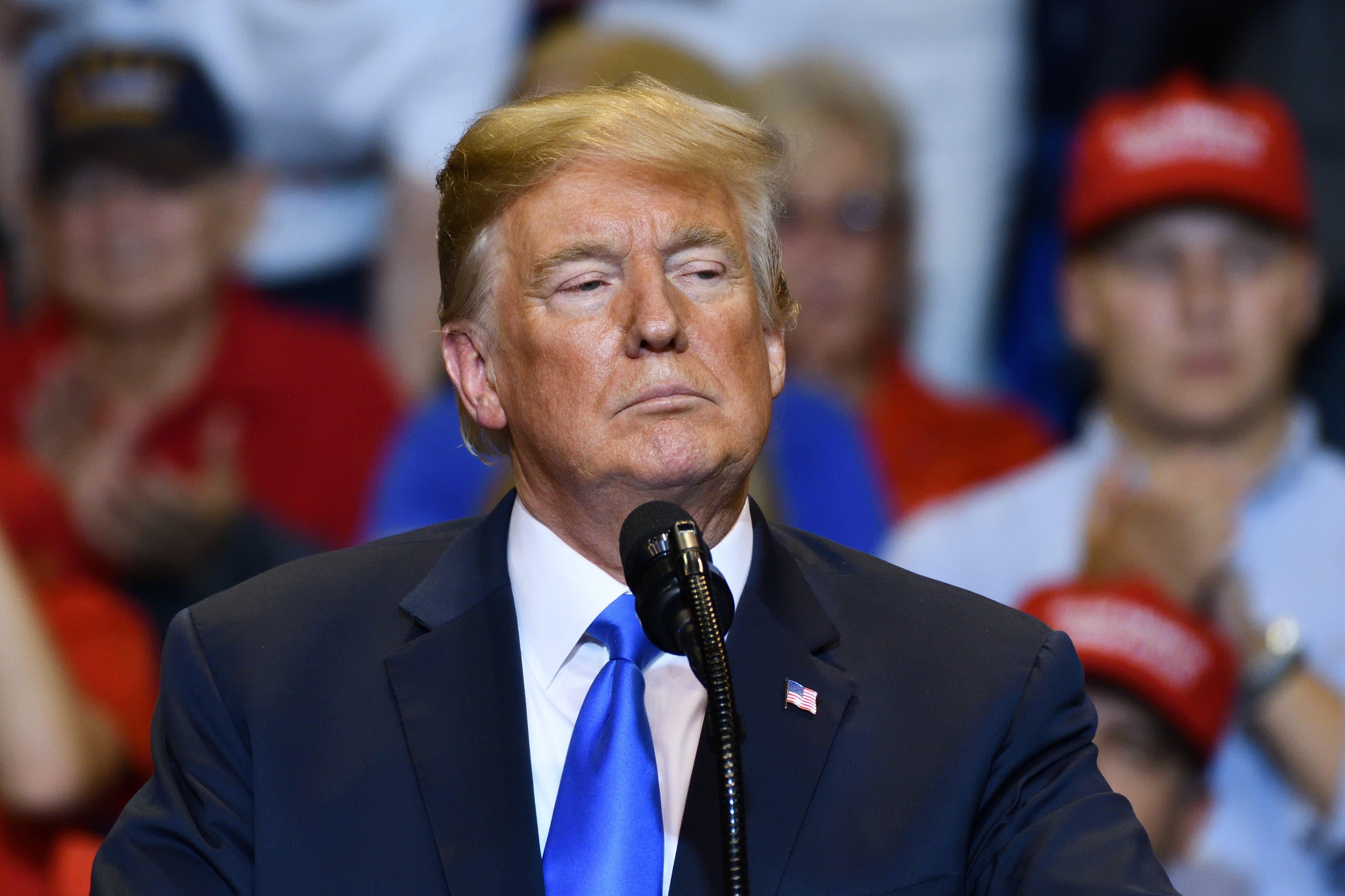
On November 5, the United States held presidential elections. Republican and former president Donald Trump won the elections surprisingly clearly. The Electoral College, which in fact elects the president, will meet on December 17, while the inauguration is scheduled for January 20, 2025. Furthermore, elections for Congress, which is the legislative branch consisting of two chambers, also took place at the same time. In the Senate, one-third of the 100 senators were newly elected, with the Republicans winning back the majority from the Democrats. In the House of Representatives, all 435 seats are up for re-election, the result is still open Thursday morning (CNN: 209R 191D, 218 for a majority). From a practical point of view, the close results in both chambers of Congress should be mentioned, since even within the parties, opinions are not always the same and so legislation can fail. In the Senate, for example, 60% of the votes are also needed to pass laws. However, success across the board makes it easier to implement proposals on a broad basis. One exception, however, is the new tariff regime proposed by Trump, which the US president can effectively introduce without congressional approval based on Section 232 of the Trade Expansion Act of 1962.
US economy
The situation of the national debt is becoming significantly more precarious, as the non-partisan Committee for a Responsible Federal Budget (CRFB) shows in an analysis. The Trump administration's plans would cause the debt-to-GDP ratio to skyrocket from the current 99% to as much as 142% by 2035. A comparable figure with European debt figures would be more than 20% higher. Trump's agenda includes extending existing tax breaks, a tax exemption for tips, a reduction in the corporate tax rate from 21% to 15% while at the same time relaxing regulatory requirements and ending the taxation of social benefits. The revenue side will also face a tense situation, because according to the CFRB analysis, by 2035 there is likely to be a shortfall of up to 12 cents for every US dollar spent. We see a significant increase in US inflation as the main economic risk. The introduction of broad-based tariffs and a tightening of the labor market due to stricter immigration controls, as well as fiscal stimulus under conditions of almost full employment, would drive up inflation. A sustained rise in inflation would prompt the US Federal Reserve to raise key interest rates in line with its mandate. This would put the brakes on the economy and, with a view to interest payments, put a strain on the already stretched national budget.
Eurozone economy
A new presidency by Donald Trump will put the EU under pressure in many areas. As the USA is an important trading partner for some European countries, the prospect of possible tariffs of 10% on all imports to the USA alone will have a dampening effect on growth prospects in the eurozone. This gives European companies an incentive to relocate production capacities to the USA in the medium term. Should the US increase tariffs on Chinese goods to 60%, as Trump has promised, this could lead to Chinese producers attempting to sell their surplus production in Europe at dumping prices. This would put additional pressure on the European industry and would probably lead to increased political tensions between China and the EU. We expect Trump's election victory to have a dampening effect on sentiment among European companies due to expected additional trade barriers, which will also have a negative impact on consumer sentiment. The propensity of companies to invest and the propensity to consume could subsequently fall, with corresponding negative consequences for growth.
With a US President Trump, the probability of faster interest rate cuts by the ECB in 2025 has increased, as a weaker growth outlook has a dampening effect on inflation expectations. We currently expect the ECB to cut the deposit rate to 2.25% by September 2025.
Author

Erste Bank Research Team
Erste Bank
At Erste Group we greatly value transparency. Our Investor Relations team strives to provide comprehensive information with frequent updates to ensure that the details on these pages are always current.














