Outlook 2021: further U.S Dollar debasement ahead

In a year that was marred by a global pandemic and a wave of economic restrictions that crippled many small businesses, financial markets proved to be resilient.
Of course, that resilience owes in no small part to the unprecedented outpouring of stimulus from Congress and the Federal Reserve.
More stimulus is on the way. On Sunday, President Donald Trump signed the latest COVID relief package into law.
Trump had earlier blasted the bill as a pork-laden “disgrace” with inadequate $600 direct payments. Under pressure to avert a government shutdown and keep unemployment benefits flowing, Trump finally relented.
And he will continue to push the Senate to take up his $2,000 stimulus check proposal.
Meanwhile, the presumptive President in waiting, Joe Biden, is vowing to build on Congress’ “down payment.” Biden wants larger checks, additional handouts to state and local governments, and more government spending across the board.
If Republicans maintain control of the U.S. Senate, pending the outcome of the Georgia runoff elections, they could potentially thwart some of Biden’s spending ambitions.
Whether they’ll have the political will to do so is another issue. Some Senate Republicans bucked their own Majority Leader and joined with radical leftist Bernie Sanders and President Trump to form an odd coalition pushing for larger stimulus checks.
The populist sentiment toward aiding ordinary Americans is certainly understandable given the pandemic profiteering by giant corporations listed on Wall Street.
Their gains came at the expense of businesses deemed less “essential” by state and local governments. They also got an artificial boost from the central bank as it went on a buying spree in Treasury and corporate bond markets.
Will 2021 be the year the Fed’s inflationary chickens come home to roost?
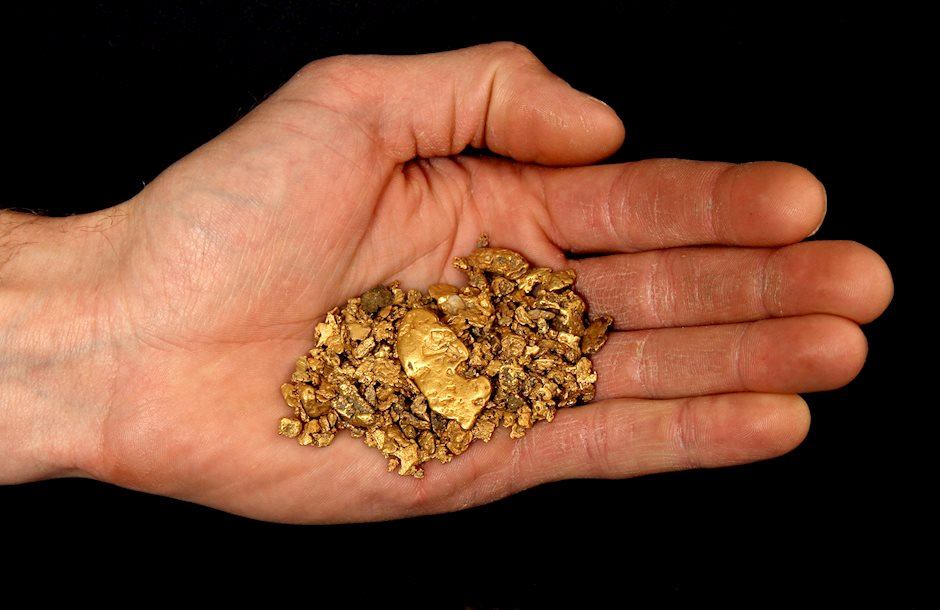
The setup for a major inflation outbreak in the real economy in the months ahead is clear and present. A precious metals price breakout could therefore be imminent.
It is difficult to imagine a more bullish political and monetary environment for the metals than the one we are in.
stefanThe Fed has effectively taken a rate hike off the table for 2021. It has no plans to curtail its $120 billion in monthly asset purchases. The printing press will continue to go brrr...
And the federal budget deficit will continue to skyrocket – perhaps to $4 trillion.
Fiscal conservatives can hold out some hope that a narrowly divided House and Senate will create gridlock – acting as a check on the spending ambitions of the incoming administration.
The reality is that only a small minority of politicians will actually vote to curtail Washington’s overall spending trajectory.
There is overwhelming, bipartisan, supermajority support for continuing down the path of running up huge deficits and papering over them with new debt issuance backed by the central bank.
Borrow-and-spend federal financing is a precursor to print-on-demand Modern Monetary Theory (MMT). In 2021, MMT may become more formally adopted as part of a global post-COVID Great Reset.
The long-term outlook for the U.S. dollar looks bleak. Politicians have an insatiable appetite for more of them, and central bankers are bent on depreciating them.
In the name of its newfangled “symmetric” (above-2%) inflation objective, the Fed will no longer pursue price stability as it used to be understood. Instead, it will allow prices to run hot and hotter before it even thinks about thinking about tightening.
Although disinflationary pressures in certain parts of the economy could reassert themselves next year, the much larger, more powerful trend taking hold is that of steady, deliberate currency depreciation.
To receive free commentary and analysis on the gold and silver markets, click here to be added to the Money Metals news service.
Author
Stefan Gleason
Money Metals Exchange
Stefan Gleason is President of Money Metals Exchange, the national precious metals company named 2015 “Dealer of the Year” in the United States by an independent global ratings group.