Nonfarm Payrolls Preview: Win-win-win for the dollar? Low expectations, weak greenback point higher
- Economists expect an increase of 150,000 jobs in January.
- Weak leading indicators and Omicron-related disruptions have likely lowered expectations further.
- A positive figure would be sufficient to remind investors of the Fed's hawkish stance.

Has the US economy ground to a halt? That is the impression from the recent jitters in stock markets, the dollar's decline – and potentially the upcoming Nonfarm Payrolls report from January. It could be an inflection point for the greenback.
The rapid spread of the Omicron COVID-19 variant caused disruptions across America, first hitting the skies with flight cancelations, and later prompting lower activity. Have low expectations gone too far?
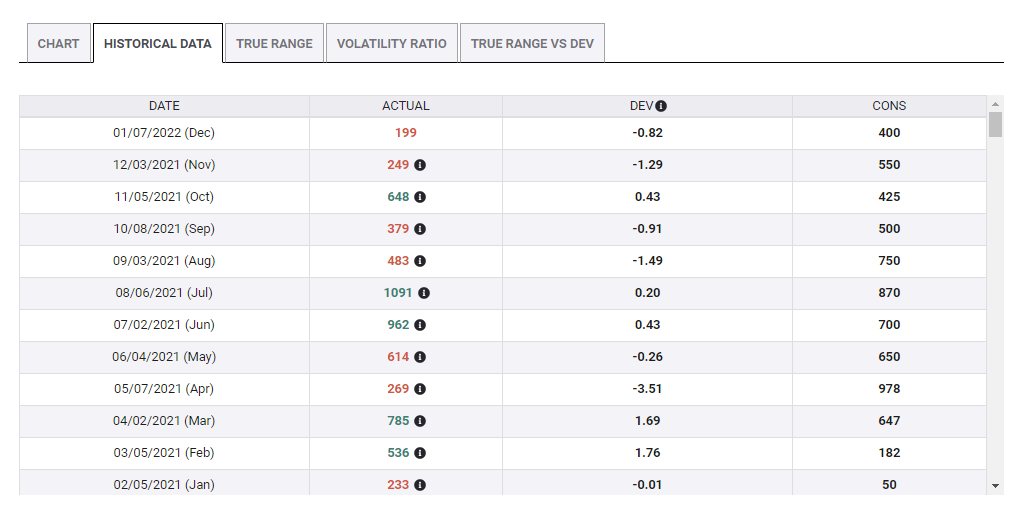
Economists expect an increase of 150,000 new positions in January, which is modest even for pre-pandemic times, and even worse when taking into account the rapid recovery. It is also below the disappointing read of 199,000 in December.
Source: FXStreet
Real expectations are even lower to add insult to injury, driven by several factors. First, ADP's labor figures pointed to a loss of over 300,000 private-sector jobs in January. The correlation between America's largest payrolls provider's figures and official ones has been coincidental – for December it foresaw over 800,000 jobs gained – but it still impacts expectations.
Another reason investors have likely lowered their estimates is a comment from the Federal Reserve's Patrick Harker, who said he expects a weak jobs report. Last but not least, jobless claims were elevated around the week including the 12th, when NFP surveys are held.
Several commercial banks expect a negative read, and these estimates have been widely circulated by financial media. Overall, real projections are undoubtedly lower than 150,000.
Dollar reaction
On this background, there is room for a positive surprise. Any positive number would likely trigger an "it could have been worse" reaction, boosting the dollar. It would serve as a reminder that the US economy is still close to full employment, which in itself is a reminder that the Fed is about to raise rates in March.
The greenback could gain ground even if the NFP misses estimates. First, the dollar is a safe-haven currency that could arise in times of trouble.
And in case the headline is near zero, wage growth could steal the show. Many of the jobs lost – perhaps only temporarily – to Omicron are low-paying ones. Examples include the leisure and travel industries. That skews the current pay toward higher-paying jobs, thus boosting Average Hourly Earnings.
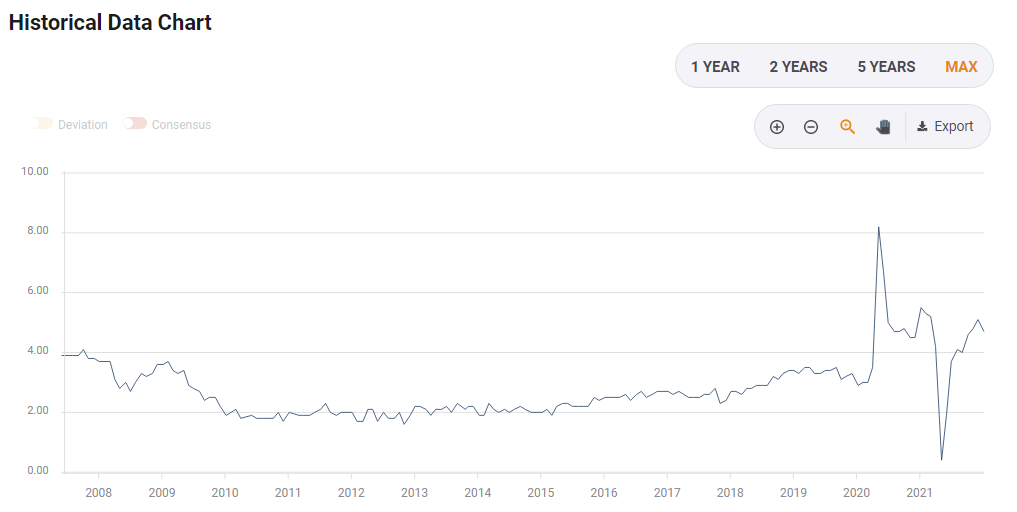
The economic calendar is pointing to an increase from 4.7% to 5.2% in yearly wages, and a faster increase cannot be ruled out.
Source: FXStreet
Final thoughts
Overall, January's Nonfarm Payrolls seems like a win-win-win for the US dollar. It would also be justified after the substantial falls it has suffered, especially against the euro.
Author

Yohay Elam
FXStreet
Yohay is in Forex since 2008 when he founded Forex Crunch, a blog crafted in his free time that turned into a fully-fledged currency website later sold to Finixio.