NFP Quick Analysis: Americans get a big raise – USD may follow
- The US reported an increase of 130K jobs in August and wage growth up 0.4% MoM.
- Upbeat wage rises encourage the Fed, which may see inflationary pressure.
- A small rate cut is already priced in, and the dollar has room to rise.
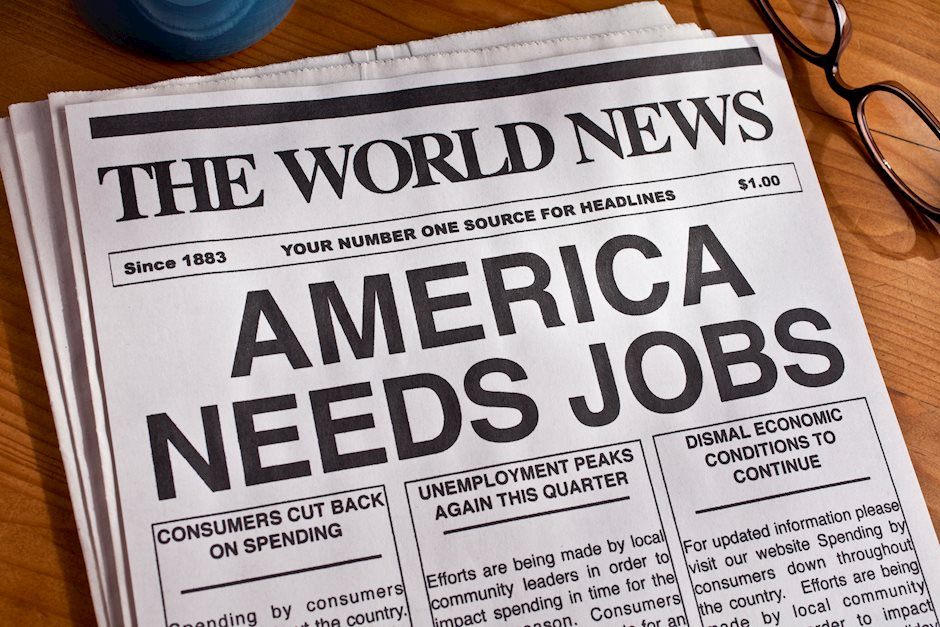

America gets an upbeat pay rise – 0.4% on average – better than expected – and significantly above-average increase. On an annual basis, salaries are up 3.2%, also beating projections.
Additional disposable income in Americans' pockets may result in further spending in price pressures. An acceleration in wage inflation may push prices higher.
The upbeat Average Hourly Earnings figures are accompanied by another encouraging figure – the participation rate is up to 63.2% from 63% in July. That means that more people are joining the workforce.
Both developments outweigh the disappointing increase of 130K jobs – below 158K expected – and accompanied by a downward revision totaling 20K for previous months.
Implications for the Fed and the dollar
The Federal Reserve is set to cut interest rates on September 18. Pressure from markets to inject more stimulus have been sufficient to tilt to Fed to another "insurance cut." However, the recent detente between the US and China on the trade front – despite new tariffs – may have already been enough to prevent an aggressive 50bp reduction.
James Bullard, President of the Saint Louis branch of the Federal Reserve, has suggested a substantial interest rate cut – and he was the one touting the "insurance cut" in July.
However, this upbeat employment report kills the chances of such a drastic move. Most importantly, wage increases imply that inflation – while low – is far from falling and may even rise. We may see several hawks in the FOMC voting against any rate cut.
The encouraging news for American workers is not exactly what stock market bulls had wished for. Equities may have needed a dose of poor data to get more stimulus from the Fed. For shares, today's figures are the classic case of "good news is bad news."
But for the US dollar, it allows room to rise. The knee-jerk reaction in markets in the wake of the publication was o sell the greenback – but this may be the wrong direction.
The American currency may move higher against the euro – as the European Central Bank is set to inject stimulus on September 12 – before the Fed. Commodity currencies such as the Australian dollar are vulnerable as well.
Author
Yohay Elam
FXStreet
Yohay is in Forex since 2008 when he founded Forex Crunch, a blog crafted in his free time that turned into a fully-fledged currency website later sold to Finixio.
















