Metals up, Dollar down

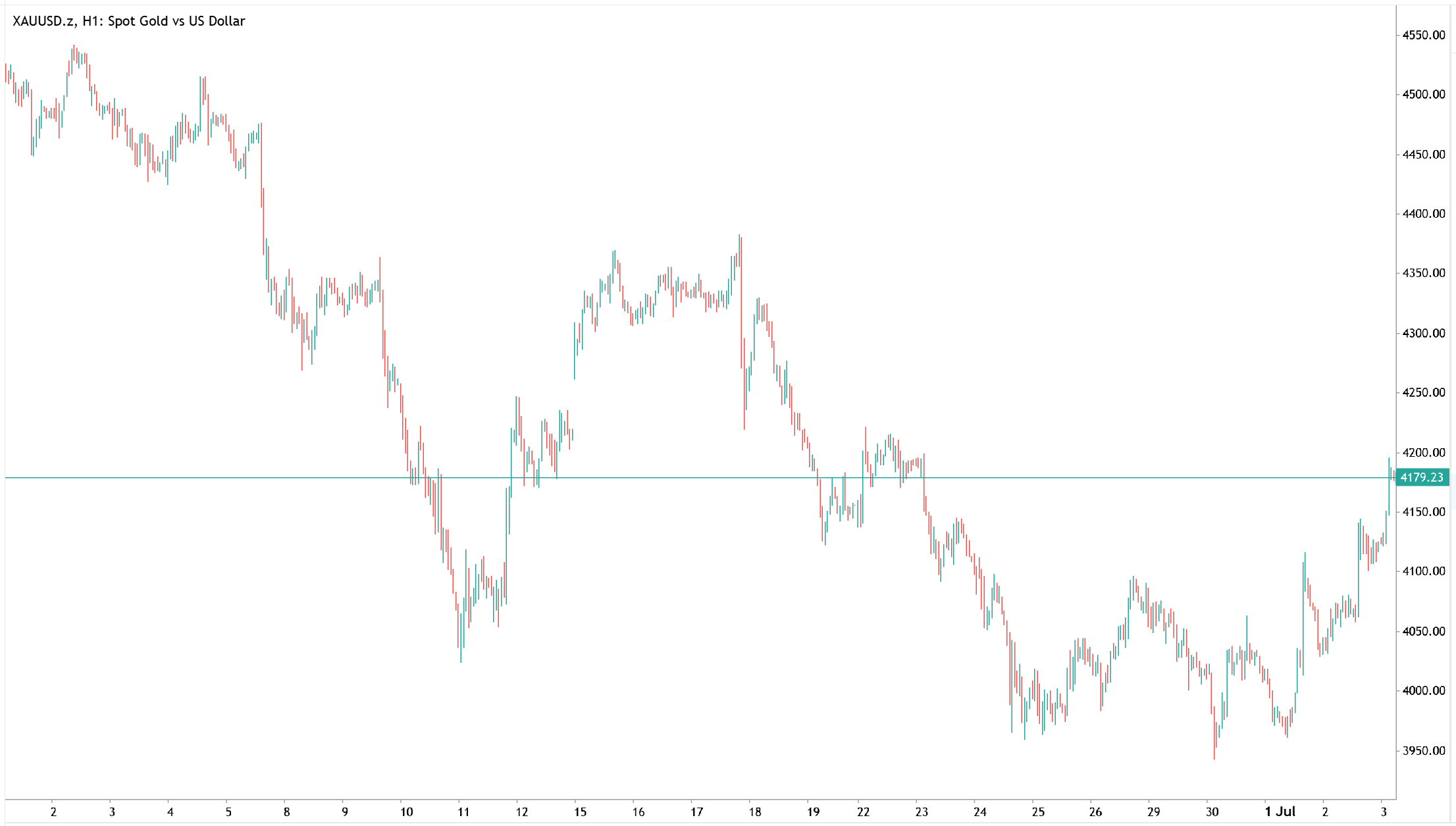
The markets were anything but dull this week. Fears of an AI bubble have been weighing on tech stocks, but a soft NFP release brought a relief rally. Likewise gold reversed its recent downtrend as rate hike expectations subsided, while the US dollar pulled back. Crazy moves in South Korean markets have some worried about contagion risk. Traders remain on high alert for signs of intervention in Japanese currency markets. Tesla popped up through $420 but swiftly retreated. Oil continued to slide. What a time to be a trader.
Warsh doubled down
New Federal Reserve Chairman Kevin Warsh used an address on Wednesday predominantly to reiterate the intentions he had laid out in his debut message. "We are going to be an independent central bank at this moment and you will see no changes on that." He vowed to disappoint anyone expecting loose monetary policy, emphasising the 2% target for inflation. Muddying the waters somewhat though, Warsh also repeated his guidelines that under him there will be no real guidelines, or rather guidance, on when and how he sees rates changing or otherwise throughout the year.
Despite this reaffirmation of the 2% target, UBS still sees current market pricing of rate hikes as overly aggressive. They foresee inflation moderating itself more naturally, via two main factors. Firstly the reversal of the effects of Trump's tariffs, which could reduce inflation by up to 0.8% on their own; and then the fact that oil prices are right back down to where they were before the US-Iran conflict, with traffic now picking back up through the Strait of Hormuz.
This view was backed up by a softer than expected Nonfarm Payrolls release overnight. The NFP release was a large miss against the consensus, coming in at 57k new jobs vs the 110k expected. The resultant adjustment in rate hike expectations saw metals rally strongly, gold up close to 2%, while the USD was weaker in concert and remains under pressure in today's holiday trading.
JPY intervention still on the radar
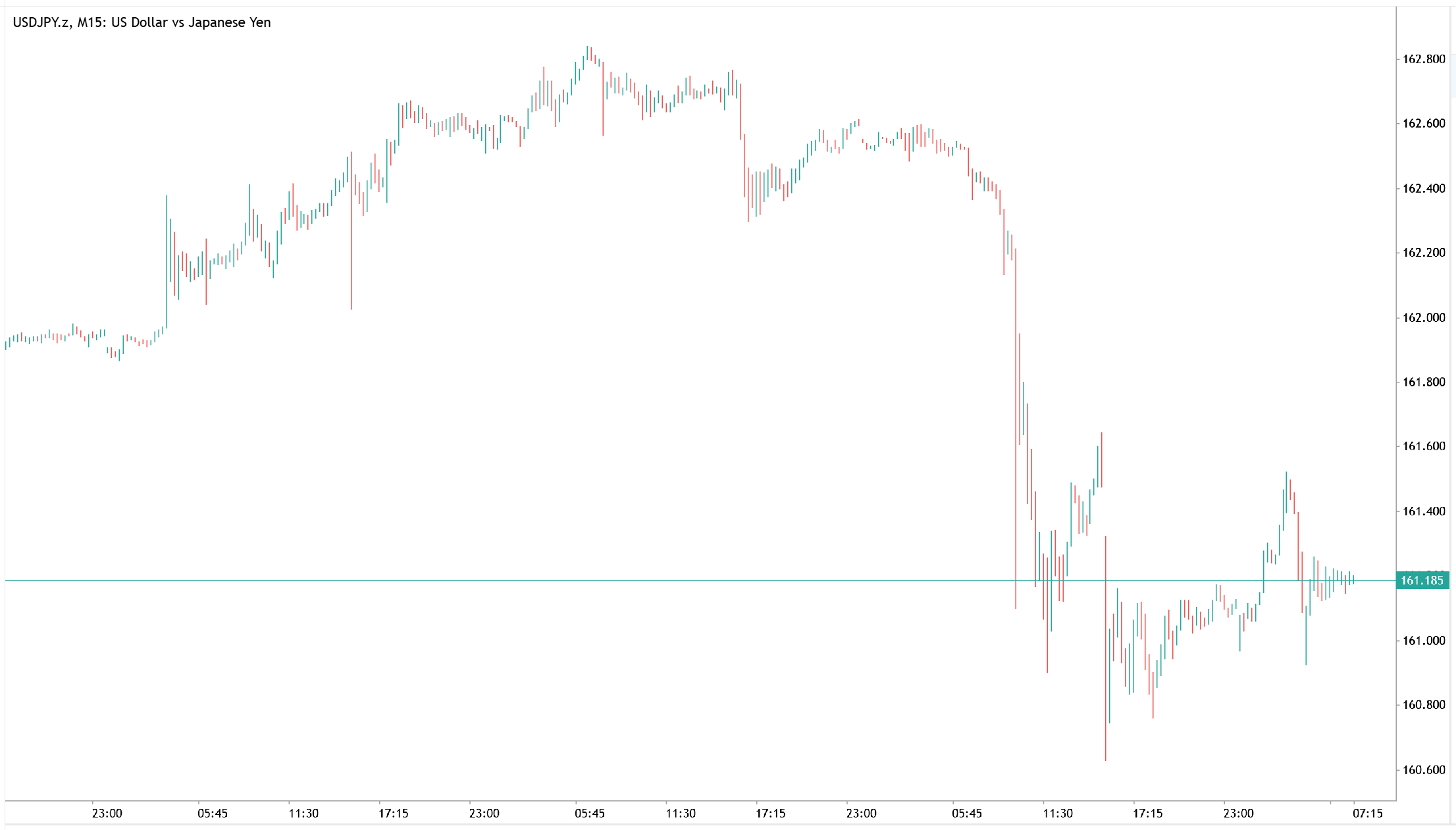
Japan's Finance Minister Satsuki Katayama was back on the newswires this morning, once more reaffirming her readiness to defend the yen. But after repeated similar warnings of late with no real follow-through, her words are being increasingly closely scrutinised for tells of if and when the intervention will come. Ahead of prior moves by the authorities, much stronger language has been used, and specific levels of concern have been outlined. Does this change in approach now indicate a reduced likelihood of strong action, or rather more cagy tactics for increased impact?
Earlier in the week, USDJPY rose to 162.84, the yen's lowest level since 1986. A weaker dollar on the back of the NFP print has brought the pair back down towards the 161 handle. But market moves ahead of the release appeared to suggest that intervention had already begun. Another long weekend (US Independence Day) naturally brings speculation that the thinner liquidity will again be taken advantage of by currency officials to bolster the currency. Katayama confirmed that she is in close contact with her counterparts in the US on matters of foreign exchange, even over the holidays.
Deliveries up, price down
Tesla's delivery numbers smashed expectations overnight, but its stock price dropped around 8%. This followed four very strong sessions for the automaker, rallying steadily back up through $420 and beyond. So why the mismatch and sell-the-news reaction? Were investors waiting for an exciting announcement to accompany the release of the figures? Something about robotaxis, or the Semi and Cybercab models? The potential for a merger with SpaceX also looms large.
Next week
The RBNZ is expected to raise rates by 25bp on Wednesday. The FOMC minutes will provide further insights into what is driving the decision making and in turn voting of a divided committee. Cash Earnings in Japan will be watched for signs of normalisation, with further rate hikes still very much on the table there.
Author

Scott Redford
Fintrix Markets
Through his 14 years in the industry, Scott has managed risk for a number of the world's biggest brokers, including IG and Pepperstone.

















