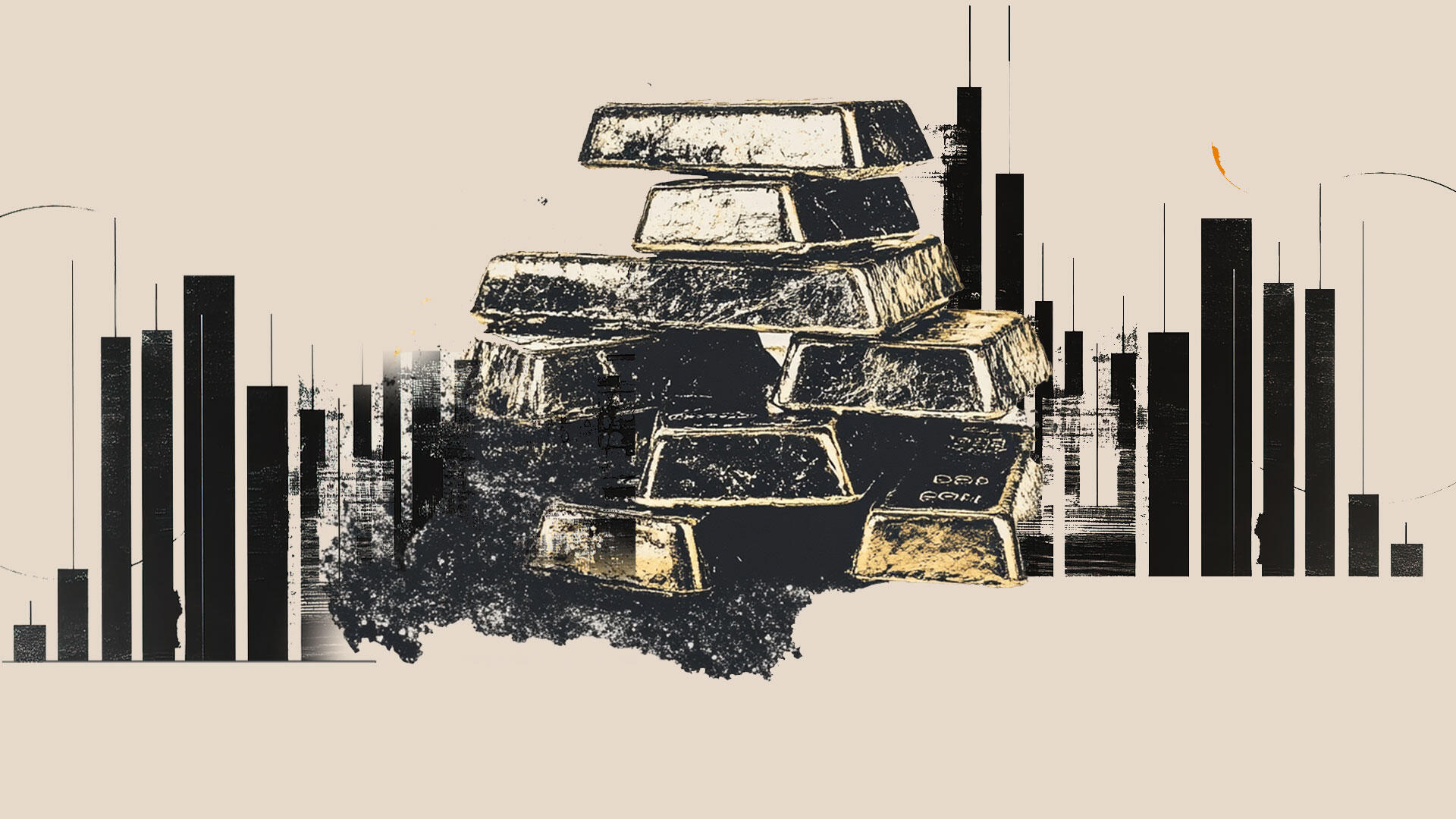
Maryland and Washington State impose sales taxes on Gold and Silver bullion

Over the last few years, several states have exempted gold and silver bullion from sales taxes, but during the 2025 legislative session, two went the opposite direction.
Bill passed in Maryland and Washington State imposed sales taxes on bullion, effectively levying a tax on exchanging one type of money for another.
In Maryland, the Budget Reconciliation and Financing Act of 2025 (HB352), introduced by House Speaker Adrienne Jones on behalf of the Gov. Wes Moore administration, includes provisions that impose a sales tax on gold and silver bullion and coins unless the total transaction is greater than $1,000 and the sale occurs at the Baltimore Convention Center. In practice, the sales tax will apply to all bullion sales that don’t occur at an event at the convention center.
In Washington, Senate Bill 5794 (SB5794), sponsored by Sen. Jesse Solomon and 11 fellow Democrats, simply repealed the sales tax exemption on precious metal bullion or monetized bullion that had been in place since 1985.
Sound Money Defense League director Jp Cortez said these states not only bucked a nationwide trend, but they will harm a large number of people in those states.
“Unfortunately, Washington and Maryland have recently turned to taxing constitutional money as a means of revenue generation for the state. The overwhelming trend nationwide is to end taxes on the metals, but dollar amount thresholds and venue conditions like Maryland has imposed, or outright full imposition of taxes on the metals like in Washington, harm investors, dealers, and even state revenues, which will likely decrease as a result of commerce, businesses, and tourism and convention dollars leaving the state.”
Impact
Imagine if you asked a grocery clerk to break a $5 bill, and he charged you a 35-cent tax. Silly, right? After all, you were only exchanging one form of money for another. But that’s essentially what a sales tax on gold and silver bullion does.
By levying taxes on the exchange of gold and silver, states treat gold and silver specie more like a commodity instead of money.
“We ought not to tax money – and that’s a good idea. It makes no sense to tax money,” former U.S. Rep. Ron Paul said during testimony in support of an Arizona bill that repealed capital gains taxes on gold and silver in that state. “Paper is not money, it’s fraud,” he continued.
From a practical standpoint, these taxes further burden people trying to escape the relentless devaluation of their fiat dollars by incessant government money creation.
Gold and silver shield people from inflation. They hold their value over time, unlike dollars. Taxes like those imposed by Maryland and Washington erect another barrier in front of people who are merely trying to preserve their wealth over time.
These taxes also make it more difficult for people to use gold and silver in transactions. This ultimately supports the Federal Reserve’s pernicious monopoly on money.
Background
The United States Constitution states in Article I, Section 10, “No State shall…make any Thing but gold and silver Coin a Tender in Payment of Debts.” Currently, all debts and taxes in most states are either paid with Federal Reserve Notes (dollars), which were authorized as legal tender by Congress, or with coins issued by the U.S. Treasury – very few of which have gold or silver in them.
The Federal Reserve destroys this constitutional monetary system by creating a monopoly based on its fiat paper currency. Without the backing of gold or silver, the central bank can easily create money out of thin air.
This not only devalues your purchasing power over time; it also allows the federal government to borrow and spend far beyond what would be possible in a sound money system. Without the Fed, the U.S. government wouldn’t be able to maintain all its unconstitutional wars and programs. The Federal Reserve is the engine that drives the most powerful government in the history of the world.
State laws that facilitate and encourage the use of sound money create a playing field where people can push back against the Fed’s monetary malfeasance. Ultimately, it could create a scenario where people can drive out the “bad” fiat money with “good” sound money. Taxes, such as those imposed by Maryland and Washington, do the opposite, making it more difficult for gold and silver to function as money. While it may benefit governments by providing a modest revenue stream, it harms the citizens the government supposedly serves.
To receive free commentary and analysis on the gold and silver markets, click here to be added to the Money Metals news service.
To receive free commentary and analysis on the gold and silver markets, click here to be added to the Money Metals news service.
Author

Mike Maharrey
Money Metals Exchange
Mike Maharrey is a journalist and market analyst for MoneyMetals.com with over a decade of experience in precious metals. He holds a BS in accounting from the University of Kentucky and a BA in journalism from the University of South Florida.