Market Guide - Fed to the rescue
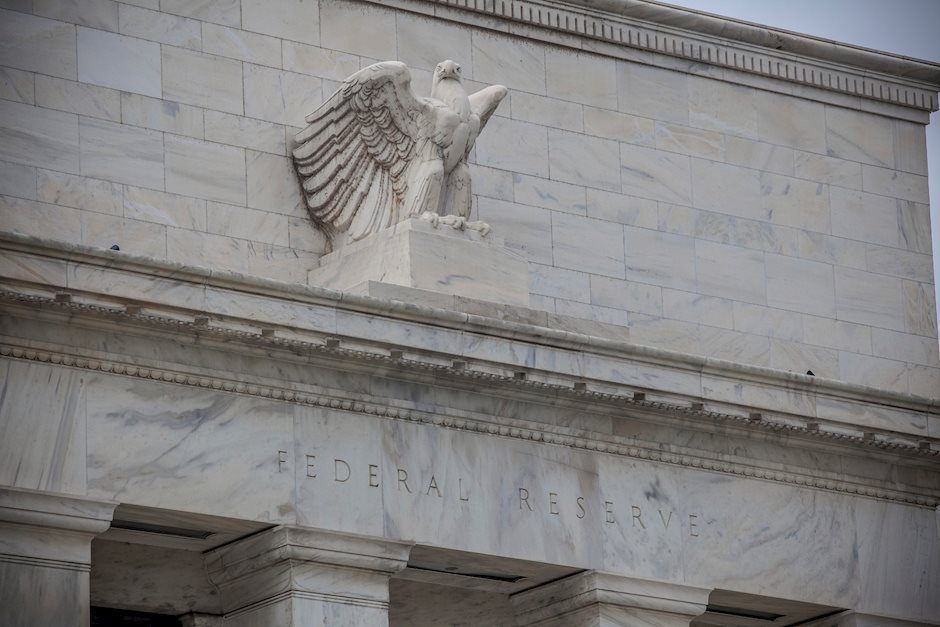

Fed helps restore global confidence by signalling rate cuts
Leading indicators for global growth have been declining for over a year, US capacity utilisation has been falling since December and inflation expectations have been falling since May. This indicates policy action is required from central banks.
In the bigger picture, we have been in this situation before. In the 90s, the Tequila and Asian crises did not evolve into something too bad for the global economy. In past years we have seen a similar slowdown several times, which was turned around by central banks acting accordingly.
Central banks in Europe, emerging markets and now the US Fed are clearly taking steps towards easing in recent weeks. History suggests this can turn the global economy around if they stay committed and given time, but we have yet to see the actual turnaround.
For now, what seems to be playing out in FX is a 'battle of easing.' We think broad USD will weaken as a result, against Latin America, EUR and Scandies (not least versus NOK).
In Europe, SEK, NOK and GBP are also getting some help versus EUR through Fed action. Although GBP and SEK could weaken a bit more versus EUR, the expected weakening is less than what it otherwise would have been. In the coming quarters, the Fed reaction and USD moves are becoming very important for all major crosses both versus USD but also crosses against EUR.
Trade war fears and Fed repricing
Trump increased his pressure on China with tariffs moving from 10% to 25% on USD200bn worth of Chinese goods in May and worsened the tension with new threats of additional measures if Xi Jinping failed to meet him during the G20 meeting in late June. We do not expect a deal until H2 19, as we probably need to see more pain on both sides before they are willing to resume the serious trade talks. US growth seems to have peaked, inflation expectations and actual inflation are low and trade uncertainty may start weighing on the economy. Without more easing, it also increases the likelihood of sub-trend growth or perhaps even a forthcoming recession. We have changed our call to the Fed cutting by 75bp by year-end, with the first cut already in July. We still have a constructive US macro outlook, but we believe the risks are greater by not easing at all than easing too much or too early. If the Fed cuts rates, it is unlikely to be a 'one and done' cut, at least seen from a historical perspective, as the Fed usually follows a cut by lowering the rate further.
Oil - crashing to USD60/bbl
The oil price collapsed towards the end of May before finding support at USD60/bbl. The risk-off in the oil market came on the back of new threats from Trump towards Mexico and fears over further escalations in the US-China trade war. The balance in the market still looks tight. On the supply-side OPEC+ is implementing the output cuts agreed upon in December 2018 and is discussing a possible extension from June. Venezuelan production is in freefall, Libyan output is at risk following an insurgence and the waivers on Iranian sanctions have expired. On the demand side, the macro backdrop remains relatively weak as the macroeconomic data and global trade growth prospects have been weak. Risk assessment remains with any further rise in tensions between the US and Iran posing upside risks and a further escalation of the US/China trade war posing downside risks to the oil price. OPEC will meet early July to discuss extension of current cuts and adjustments to production to mitigate the effects of Iran, Libya and Venezuela. We see Brent on average at USD75/bbl in Q3 and USD80/bbl in Q4.
Author
Danske Research Team
Danske Bank A/S
Research is part of Danske Bank Markets and operate as Danske Bank's research department. The department monitors financial markets and economic trends of relevance to Danske Bank Markets and its clients.
















