Japanese Yen mid-year outlook: Why BoJ rate hikes aren't saving the Yen — and what actually would

The Japanese Yen (JPY) has experienced a pronounced downtrend since the beginning of 2026, hitting a series of multi-decade lows versus the US Dollar (USD) heading into the second half of the year. The Japanese government stepped in to prop up the domestic currency, deploying a record-shattering ¥11.73 trillion (roughly $74 billion) between late April and late May to counter steep currency depreciation.
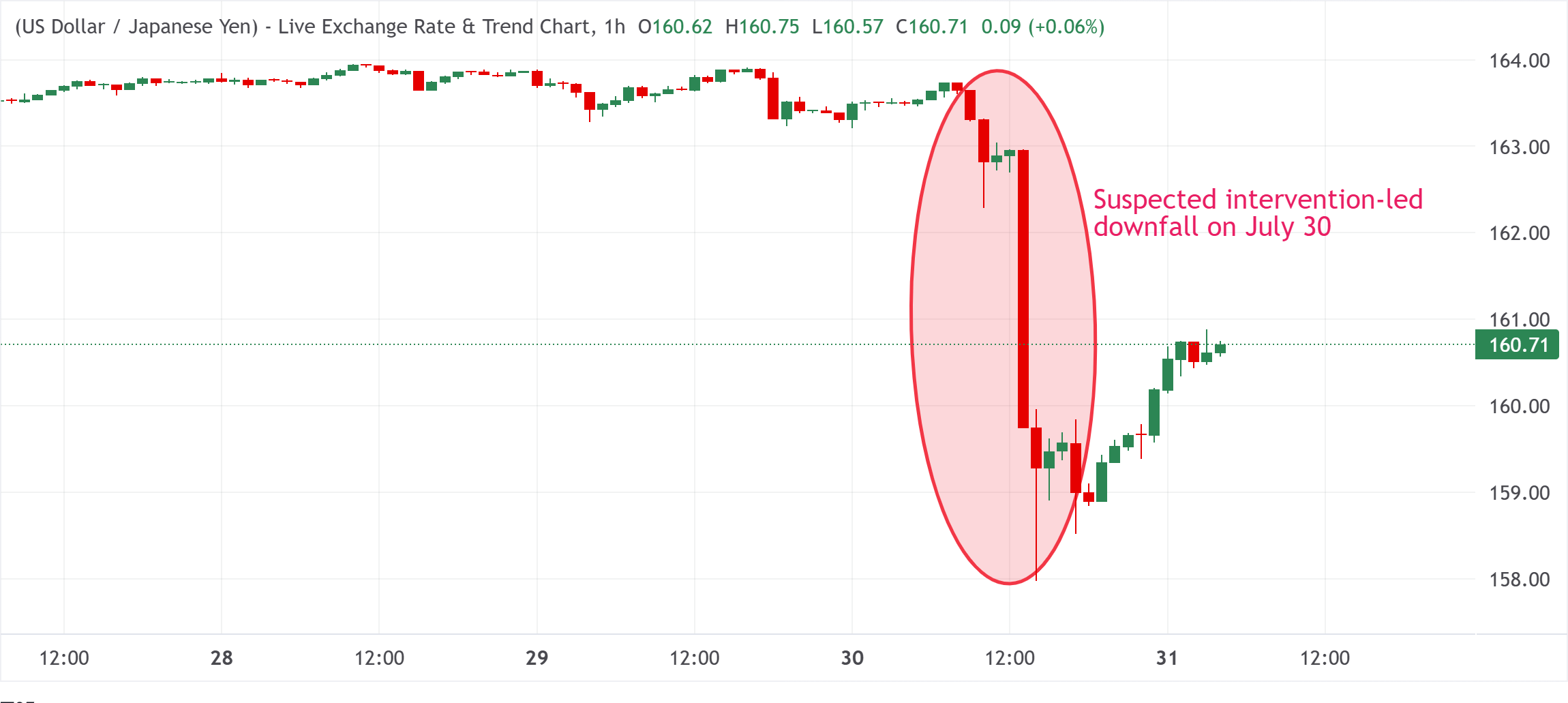
Meanwhile, a suspected official intervention on July 30 triggered a sharp JPY rally, though the immediate market reaction turned out to be short-lived.
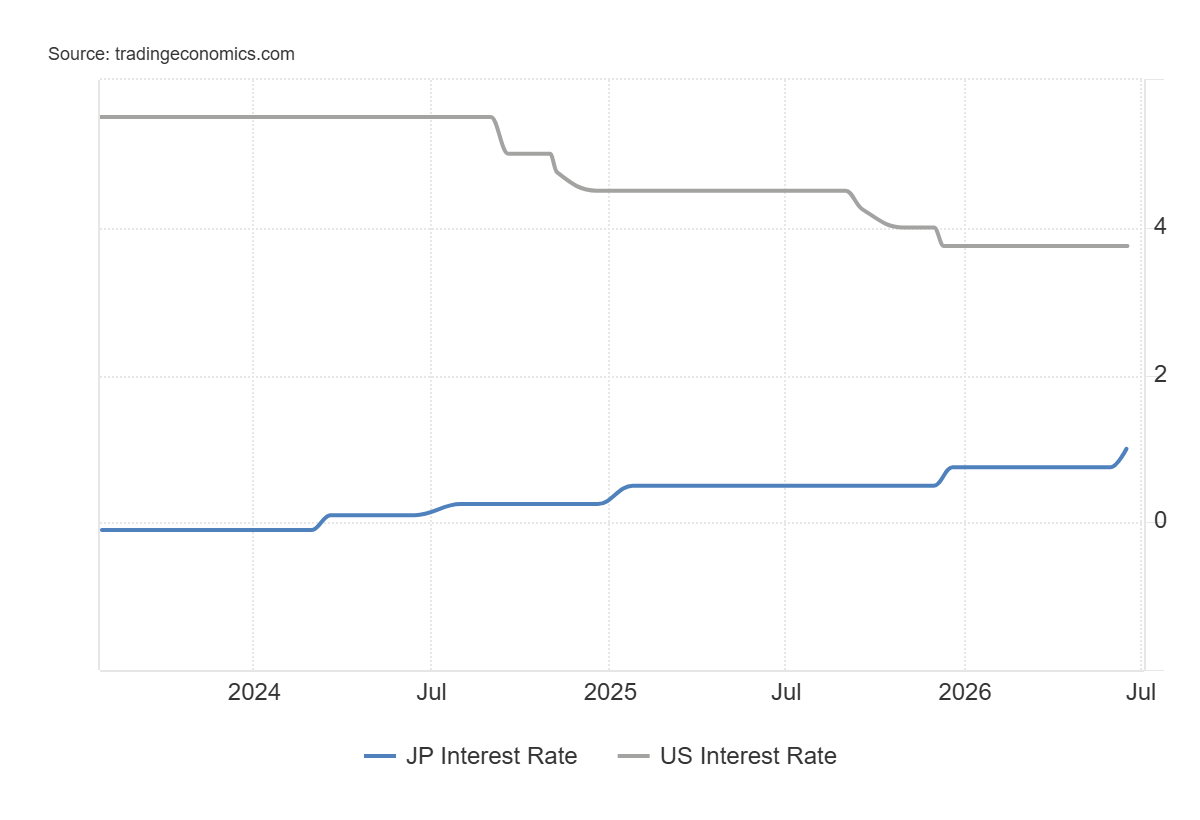
Furthermore, the Bank of Japan (BoJ) continued moving away from its ultra-loose monetary easing era and further advanced toward policy normalization, lifting the short-term interest rate to 1.00% in June, the highest level since 1995. The central bank also maintained a hawkish tightening bias in July and stressed its readiness to continue pushing up borrowing costs. This, however, failed to provide sustained support for the JPY, which is expected to continue with its significant underperformance due to a combination of monetary, geopolitical, and economic factors.
The Yen's persistent weakness is not driven by a single factor. Instead, it reflects a combination of structural headwinds that continue to outweigh the BoJ's gradual policy normalization. While most of these forces are expected to keep the currency under pressure during the second half of 2026, several developments could still provide meaningful support.
Structural headwinds weighing on the Yen
Persistent interest rate differentials
Even with the BoJ's cautious approach to policy normalization and incremental rate hikes, Japan's real interest rates remain exceptionally low by global standards. Bond yields in the US and other major economies remain substantially higher than in Japan. This environment incentivizes investors to borrow cheaply in Yen to fund investments in higher-yielding foreign assets, keeping the classic carry trade active.
Energy and import vulnerability
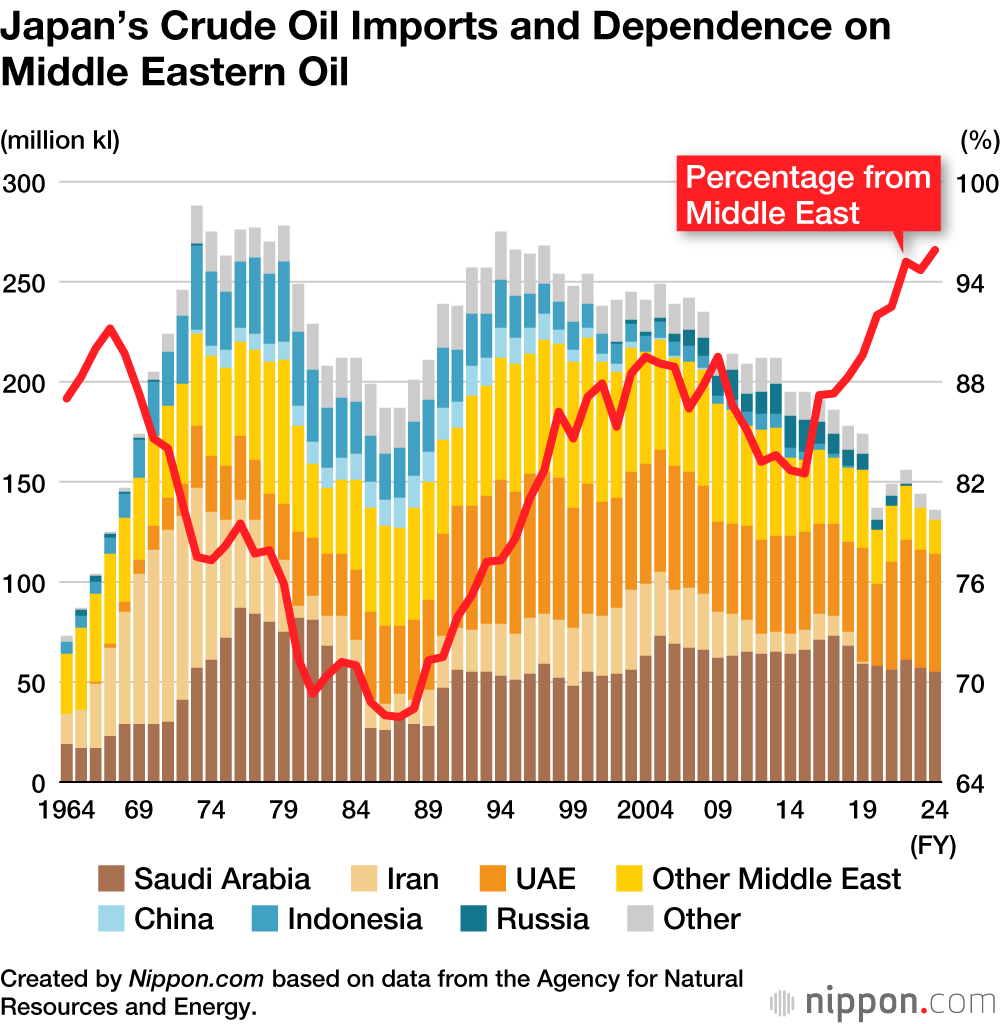
Japan’s heavy reliance on imported energy and Liquefied Natural Gas (LNG) leaves it exposed to global commodity shifts. A rise in geopolitical tensions in the Middle East during the first half of 2026 drove up global energy and Oil prices, increasing Japan's energy import costs and widening its trade deficit. The resulting imported inflation in Japan has eroded purchasing power and constrained economic momentum.
Massive government debt and fiscal constraints
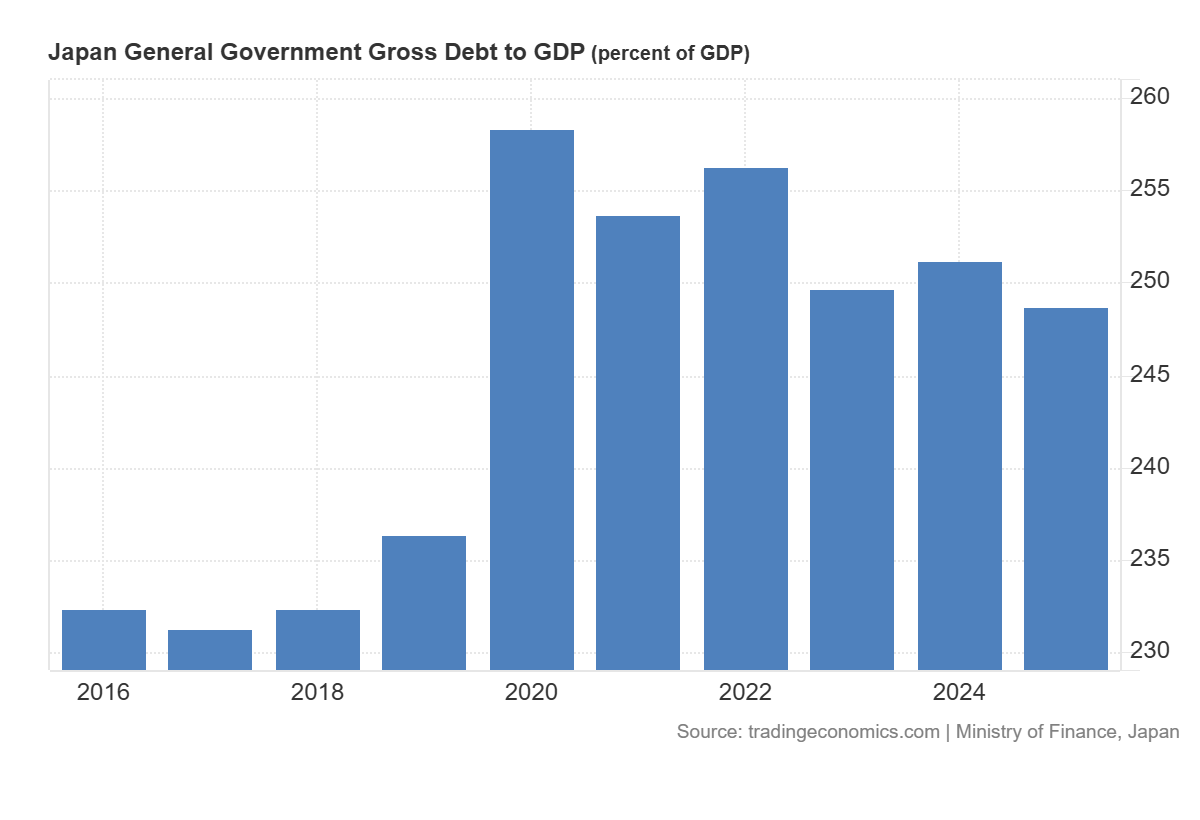
The Yen's depreciation has been exacerbated by Prime Minister Sanae Takaichi's spending plans, which have sparked fears over the massive debt burden. Takaichi is targeting ¥370 trillion in combined public-private investment by 2040. Given that Japan is already highly indebted – with a debt-to-GDP ratio exceeding 200% – investors remain wary that additional deficit borrowing could raise concerns over fiscal sustainability.
Limited room for aggressive BoJ rate hikes
Investors doubt whether the BoJ will commit to an aggressive or accelerated tightening cycle as policymakers remain wary of choking off fragile domestic economic momentum. In contrast, the US Federal Reserve (Fed) is seen keeping rates elevated for longer than expected amid concerns about energy-driven inflation.
The structural gap between ultra-low borrowing costs in Japan and higher rates in the US and other major economies suggests that interventions by Japanese authorities would have only a limited and temporary effect on the JPY. A lasting reversal in the Yen would require either aggressive policy tightening by the BoJ or accelerated rate cuts by the Fed that substantially narrow the US-Japan rate differential.
What could support the Yen?
Despite these structural headwinds, several developments could improve the Yen's outlook if they materialize during the second half of the year.
Repatriation flows could save the Yen
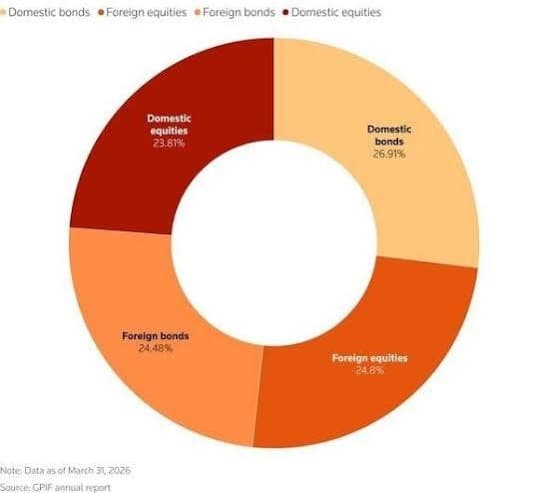
Aggressive rate hikes would destabilize Japan's government bond market and lift debt-servicing costs, leaving the BoJ with limited room for further policy tightening. To support the sovereign debt market, Japan aims to encourage investment in domestic financial assets by households, the Government Pension Investment Fund (GPIF), and other public funds. Increased capital repatriation could provide support for the battered JPY.
Coordinated Intervention
Moreover, a coordinated intervention involving the Japanese Ministry of Finance, global central banks — most notably the Fed – or other G7 nations would signal that economic powerhouses share concerns over excessive currency volatility. Although rare, a multilateral market action can be more potent and lead to a JPY appreciation bias. Japan, in turn, would get inflationary relief because it relies heavily on imports, triggering a domino sequence.
Energy market relief
Geopolitical developments and energy markets also remain important variables for any meaningful JPY recovery. A de-escalation of tensions between the US and Iran could trigger a fall in Oil and commodity prices. This could reduce Japan's import-driven outflows, cool domestic import-driven inflation, and reduce the squeeze on household purchasing power, easing structural pressure on the Yen.
USD/JPY daily chart
Technical Outlook: USD/JPY uptrend seems intact despite corrective fall
The suspected intervention-led downfall stalled near a confluence support comprising the lower boundary of an upward-sloping channel and the 200-day Simple Moving Average (SMA). This suggests that the primary uptrend remains intact despite the latest pullback, albeit momentum indicators hint that bullish pressure is losing steam even as the USD/JPY pair remains supported by the underlying trend structure. In fact, the Relative Strength Index (RSI) has slipped toward 37, while the Moving Average Convergence Divergence (MACD) has turned negative.
However, it will be prudent to wait for a sustained break and acceptance below the 158.00 mark before confirming that the USD/JPY pair has topped out and positioning for any further losses. Meanwhile, a sustained bounce from this region would keep the bullish structure intact and leave the channel top around 167.39 as the next significant resistance, where spot prices could face stronger supply if buyers attempt to extend the advance.
(The technical analysis of this story was written with the help of an AI tool. Know more.)
Summing it up
From a broader macroeconomic perspective, the long-term trend for USD/JPY remains bullish amid the persistent yield advantage of US assets. The primary downside risk to this outlook would be a co-ordinated intervention by Japanese and US authorities or an unexpected shift toward a more dovish stance from the US central bank.
Author

Haresh Menghani
FXStreet
Haresh Menghani is a detail-oriented professional with 10+ years of extensive experience in analysing the global financial markets.

















