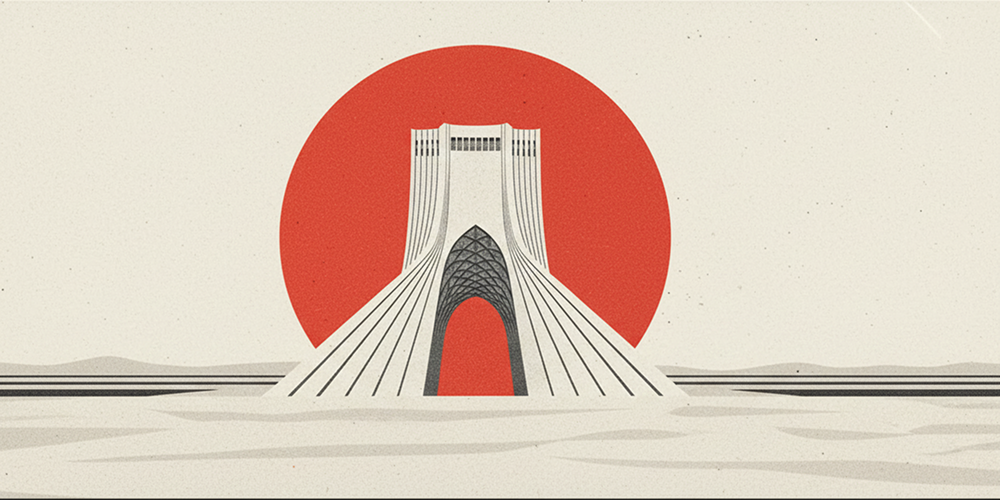
Japan in the crosshairs: Asia opens under tariff countdown cloud

The Asia session opens beneath a lengthening shadow, as Tokyo finds itself center stage in a drama not of its own making. Nikkei futures are under pressure, down 0.8%, following Trump’s unambiguous declaration: there will be no extension of the July 9 tariff pause. The 90-day reprieve—once seen as breathing space—now looks more like a countdown clock.
From Air Force One, Trump dropped the diplomatic filter and turned up the heat. Japan, he said, refuses to take U.S. rice and runs an unfair auto trade. The message was blunt: if Tokyo won’t yield, it will pay. Tariffs of 30%, 35%, or “whatever number we determine” are now openly back on the table. The negotiating table just became a pressure cooker.
Japan’s trade strategy—steady, courteous, methodical—now risks being swamped by Washington’s desire for speed and spectacle. Akazawa’s repeated trips to D.C., often without confirmed meetings, reflect a capital that’s waiting, but not necessarily listening. With domestic elections around the corner, Tokyo can’t easily open the rice market. But without concessions on autos, the lifeblood of its export economy, Japan stands exposed.
The yen strengthened as traders sought shelter in repatriation flows. However, there’s no safe harbour for Tokyo equities that rely on open trade lanes. The auto sector, nearly a tenth of Japan’s GDP, is directly in the crosshairs. It’s not just about tariffs—it’s about visibility. Japan is being made an example of, and markets are watching who’s next.
Globally, risk is pivoting. The S&P 500 wobbled into the close, tech gave ground, and the VIX briefly broke north of 16.8. Powell’s latest remarks in Sintra suggest the Fed would have eased already were it not for the inflationary risk tied to tariff policy. Meanwhile, the ISM showed a deeper contraction, and job openings surprisingly increased, reinforcing a picture of bifurcated momentum: strong services, soft manufacturing.
But all of that fades into the background as the geopolitical risk premium climbs. What started as a trade negotiation is morphing into a test of alignment—and for Japan, the bill may come due next week.
This isn’t 2018 all over again. It’s leaner, more targeted, and laser-focused on political return. Tariffs are no longer just policy—they’re performance. And Tokyo, for now, is cast as both foil and cautionary tale.
For investors, the signals are clear. Hedging Japan-centric exposure, watching auto and FX volatility, and ramping up two-way optionality into July 9 are wise steps. The script is still being written, but Tokyo’s role is no longer a supporting cast — today it is the main act.
Author

Stephen Innes
SPI Asset Management
With more than 25 years of experience, Stephen has a deep-seated knowledge of G10 and Asian currency markets as well as precious metal and oil markets.