Is China’s stock market surge sustainable? How investors can navigate the risks and opportunities
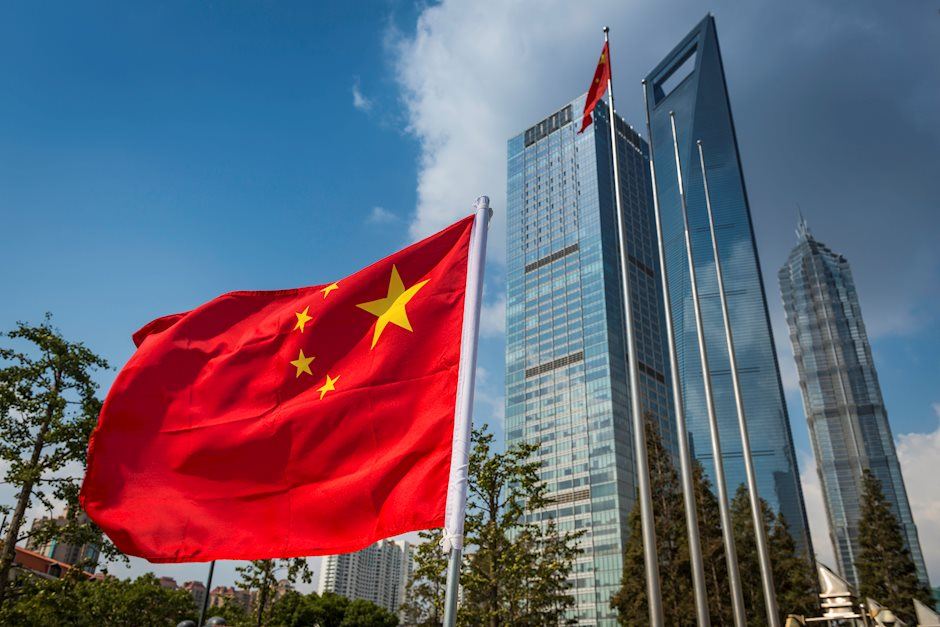

As China rolls out bold stimulus measures, many investors are left wondering how to approach the market. Is it time to dive in, or wait for more stability?
The view
While the shift in tone from the authorities has been noteworthy, there is nothing in the measures so far that can help to mitigate the structural risks of debt, deflation and demographics facing the China economy. Much of the recent gains could be attributed to oversold market conditions or FOMO (fear of missing out) and remain vulnerable to a reversal if fundamentals do not improve as anticipated. That said, there’s also an argument that China’s authorities have considerable resources and are now more focused on driving fundamental shifts favourably, which could provide further upside for the stock market.
A smart strategy to manage this uncertainty is Dollar-cost averaging (DCA) combined with diversification to balance potential returns and risks. Here’s how to put these strategies into action for your long-term portfolio.
What is Dollar-cost averaging (DCA)?
DCA involves investing a fixed amount of money at regular intervals, regardless of the asset's price. Rather than trying to time the market perfectly—an impossible task for even the most seasoned investors—DCA allows you to invest consistently over time, which smooths out the effects of market volatility.
How to implement DCA?
-
Set a fixed investment amount: Decide how much money you want to invest periodically (weekly, monthly, or quarterly). This could be a small amount if you're cautious, or a larger portion if you're optimistic about the market.
-
Choose your intervals: Regularly contribute to your China exposure, whether it’s through an ETF, index fund, or individual stocks. This interval could be monthly or quarterly, depending on your risk tolerance.
-
Remain consistent: Regardless of price fluctuations or market sentiment, keep contributing at the chosen intervals. Over time, you’ll purchase more shares when prices are low and fewer when prices are high, averaging out your cost basis.
-
Monitor, but don’t overreact: Stay disciplined and avoid letting short-term price movements dictate your actions.
Why DCA for China?
-
Volatility: China’s market can be unpredictable. While the stimulus announcements have brought a sense of optimism, there are still concerns about the structural headwinds that need deeper reforms. DCA allows you to ride the waves of volatility by gradually increasing exposure without overcommitting at a specific price point.
-
Focus on long-term growth: China's long-term growth potential remains uncertain, and this strategy ensures you don't miss out on potential gains while minimizing the risk of short-term shocks.
-
Reduce emotional bias: Headlines about China’s economic or political shifts can stir emotional reactions. DCA removes emotions from the equation, keeping you focused on long-term gains.
Diversification: Your safety net
While DCA helps manage the timing of your investments, diversification is essential for reducing risk across your portfolio. Don’t overexpose yourself to China’s market risks; balance your exposure by investing in other regions or asset classes.
How to diversify alongside DCA?
Broaden China exposure: Instead of focusing solely on mainland Chinese stocks, consider investing in stocks and sectors that are likely to benefit from China's stimulus, such as luxury brands, industrials, technology, or materials. This approach allows you to indirectly tap into China's growth without concentrating risk on a single country’s market performance. If you are looking for inspiration, this article lists domestic and international stocks and ETFs that may be linked to the China stimulus announcement.
Global exposure: Along with your China investments, consider allocating funds to developed markets like the U.S., Europe, or Japan. These markets can provide stability if China faces setbacks.
Sector diversification: Spread investments across various sectors—tech, healthcare, industrials, consumer staples, and energy. For instance, if China’s tech market grows, a diversified portfolio can help protect you if another sector underperforms.
Bond and equity mix: Don’t limit yourself to equities. Holding bonds, particularly U.S. Treasuries or diversified international bond funds, can act as a hedge against equity market volatility.
Emerging markets: If you want more exposure to high-growth economies but worry about China’s risks, emerging markets outside of China (like India, Brazil, or Southeast Asia) could provide growth opportunities with a different risk profile. Read this article on the potential of EMs.
Read the original analysis: Is China’s stock market surge sustainable? How investors can navigate the risks and opportunities
Author
Saxo Research Team
Saxo Bank
Saxo is an award-winning investment firm trusted by 1,200,000+ clients worldwide. Saxo provides the leading online trading platform connecting investors and traders to global financial markets.