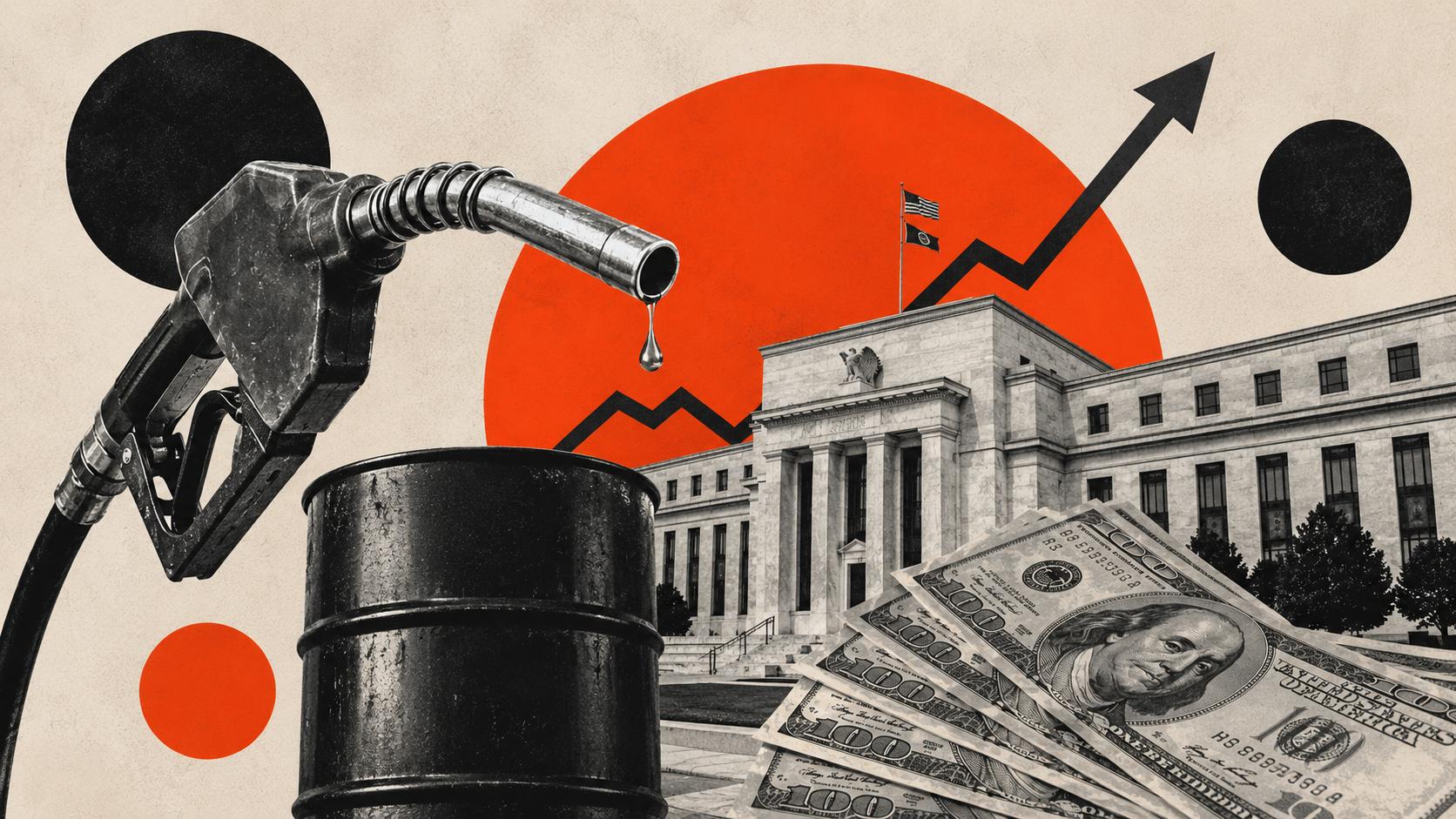
Inflation begins to ease in some CEE countries
On the radar
- In Romania, industrial output growth will be released at 8 AM CET.
- In Slovakia, Poland and in Croatia, inflation details will be released.
- Romania will present year-to-date current account.
Economic developments
Last Friday, Romania was the final country to release its May inflation reading, which increased further to 10.85%, a level we consider to be the peak for this year. Today, additional details on inflation across several CEE countries will be published, providing insight into the drivers behind the easing of May inflation observed in some economies in the region. Inflation declined in May in Czechia, Croatia, Hungary, and Poland, with some of these decreases coming as a clear surprise. We suspect that volatility in food prices may have been a key source of these unexpected developments. In Romania, as already noted, inflation likely peaked at 10.85%, while in Slovenia and Serbia, May inflation increased as well. Overall, the developments across the region remain quite heterogeneous. However, with the reopening of the Strait of Hormuz and Brent oil prices hovering around USD 80 per barrel, we expect headline inflation to decline in the coming months—particularly if oil prices ease further as a durable resolution to the Middle East conflict materializes.
Market movements
This week, the Czech central bank will decide on its key policy rate, and there appears to have been a shift in stance. Central bank Governor Michl indicated that he sees a stronger case for raising interest rates in June in order to contain inflationary pressures. While global cost pressures stemming from the energy shock may be abating, the Czech economy is facing domestic risks that could warrant tighter monetary conditions, according to Michl. Given the weight of his position, we now expect an interest rate hike at the upcoming meeting on Thursday. Furthermore, the administration of Hungarian Prime Minister Magyar has submitted legislation aimed at unlocking European Union funds that had been frozen due to concerns about corruption and the rule of law. In Poland, authorities are preparing to restore regular fuel tax rates as peace talks between the United States and Iran progress. Both countries have reportedly reached an interim agreement to reopen the Strait of Hormuz and halt hostilities, contributing to a decline in Brent crude prices toward USD 80 per barrel. A resolution of the Middle East conflict would likely support the appreciation of CEE currencies and contribute to lower yields. Finally, Romania’s president unexpectedly changed his prime ministerial nomination on Sunday. He designated Liberal Party deputy leader Adrian Veștea to form a new government after Tomac withdrew due to insufficient support. This nomination signals a shift away from the technocratic option represented by Tomac toward a more explicitly political government backed by parliamentary parties. Veștea now has 10 days to form a cabinet and seek a vote of confidence in Parliament.
Author

Erste Bank Research Team
Erste Bank
At Erste Group we greatly value transparency. Our Investor Relations team strives to provide comprehensive information with frequent updates to ensure that the details on these pages are always current.