Industrial sector rebound losing steam
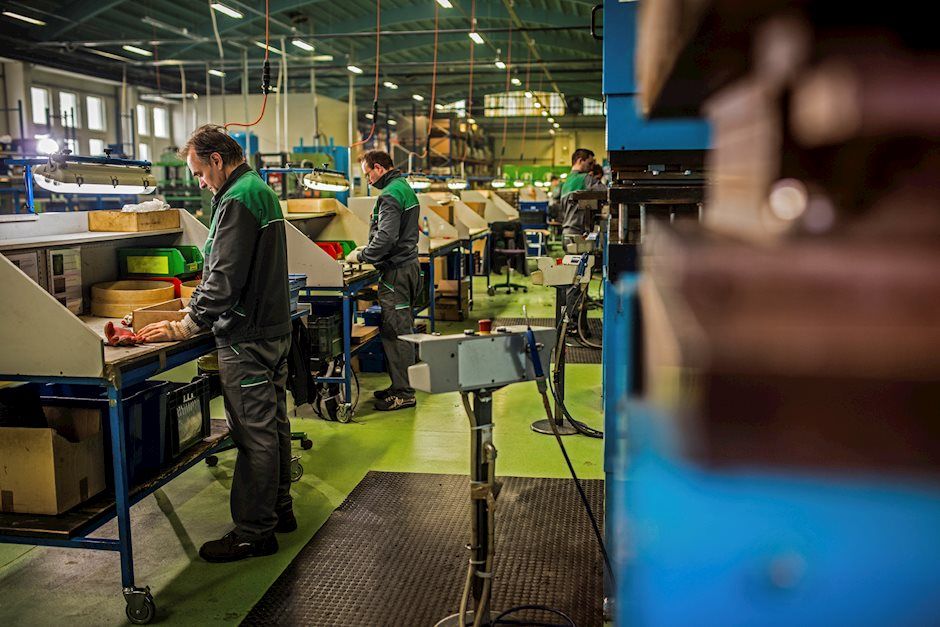

Industrial production rose 0.4% in August despite a 1.0% rise in manufacturing output. The manufacturing sector’s recovery is slowing, but also shows signs of broadening beyond consumer products.
Manufacturing recovery slowing, but broadening out
Activity in the industrial sector continued to gain back ground in August, but the pace of the recovery had decidedly slowed. Total production was up 0.4% in August. That was less than half the gain expected by the consensus (+1.0%), but came on the heels of July’s gain being revised up to 3.5% from an initially reported 3.0%. As a result, the overall level of production levels was roughly in line with expectations, but the slowdown was more abrupt.
Weighing on the headline modestly was a 0.4% drop in utilities. But, the biggest drag came from the mining sector, which accounts for about 15% of total industrial production. Despite increased coal and metal ore production, mining production fell 2.5% as Hurricane Laura and Tropical Storm Marco caused oil extraction in the Gulf to shut down temporarily.
Even after the hurricane season, low oil prices are expected to hold back new investment in the energy sector. Drilling for oil and gas wells fell another 1.2% in August to a new record low. Prices are back below $40/barrel. While that generally may be enough to cover operating expenses for existing wells among shale producers (a “swing” source of supply) according to the Q1 Dallas Fed Energy Survey, it is not sufficient to drill new wells. The same survey shows the median price to profitably drill a new well ranges from $46 to 52 depending on the area.
The strength of the manufacturing sector’s recovery is also fading, but at least continues. Factory output rose 1.0% in August after an upwardly revised gain of 3.9% in July. After an extraordinary rebound that saw auto output surpass pre-pandemic levels in July, motor vehicles production fell back 3.7%. Overall, strength remains geared toward products that complement pandemic life, with high-tech industry output continuing to rise and ex-high tech industry output rising less in August and still down from a year ago. But, there are signs the recovery is evening out a bit. Business equipment rose 1.9%, with gains for transit equipment, while machinery and metals industries also saw notable gains. Consumer goods output inched up just 0.3%, held down largely by the pullback in autos.
Empire survey points to more stable trend
The first of the September purchasing manager’s indices showed no sign of the manufacturing recovery slowing in the near term. The New York Fed’s Empire State Manufacturing Survey strengthened to 17.0 from 3.7 in August. The headline reading is derived from a stand-alone question on business conditions. Weighted by sub-indexes consistent with the ISM, the Empire State survey also improved, but points to a more modest rate of growth. Of course, the Empire Survey is just one of a handful of PMIs, covering only a portion of the country. While the strength of consumer goods spending, the weaker dollar and low interest rates all remain supportive of factory activity, gains are likely to moderate further from here.
Author
Wells Fargo Research Team
Wells Fargo

















