How NOT to Become a Casualty in the War on Cash
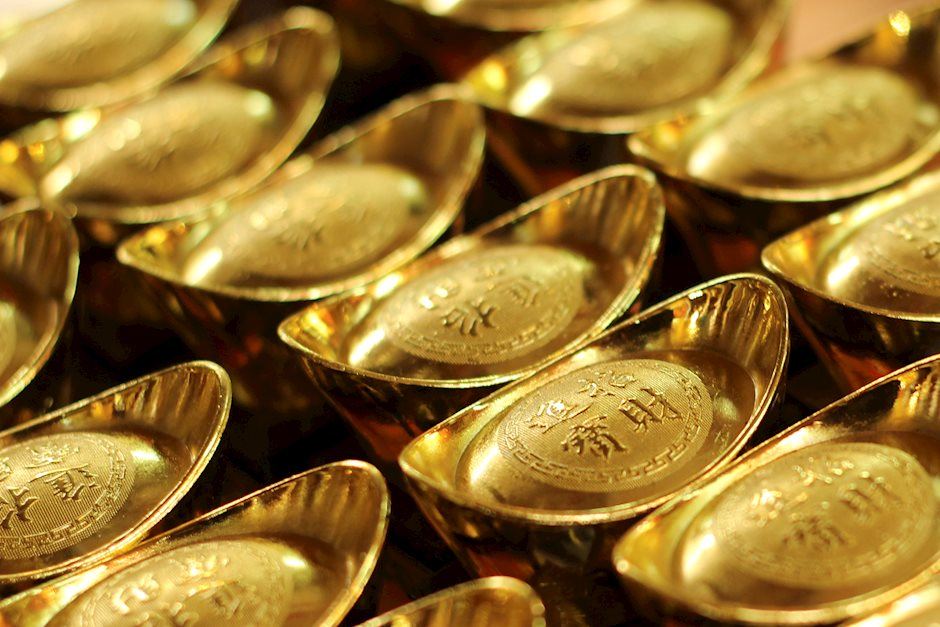

Lots of bullion investors wonder if the metal they hold might one day be needed for barter and trade. They bought gold and silver, at least in part, as a form of insurance. It just might come in handy in an extreme circumstance such as a currency crisis of the sort Venezuelans are grappling with right now.
However, a hyper-inflationary collapse in the dollar isn’t the only dire scenario to insure against.
It is now clear that the dollar, and the financial network it runs on, is a mechanism for controlling people who don’t toe the government line.
That fact may be a greater reason for alarm than the prospect of a dollar collapse. But it gets far less consideration.
Wall Street banks and government regulators have teamed up against your liberty and your privacy.
Officials would like to track 100% of what you do with your money, and the banks would like to charge a fee on 100% of those transactions. Those motivations are at the root of the today’s war on cash – the push to eliminate paper cash and replace it with electronic transactions.
The Bank Secrecy Act will soon turn 20 years old. Banks have filed millions of secret Suspicious Activity Reports on transactions involving cash. And Americans performing a transaction involving more than $10,000 in cash may have an IRS Form 8300 documenting their transaction filed with the federal government.
Americans trying to transact privately with cash are being watched, and they have no idea how closely.
Of course, people also do fewer and fewer transactions in person.
Online ordering and payments also drive the trend toward dependence on the financial system and on-the-grid transactions. This has been a stroke of good luck for government snoops and bankers who don’t like cash.
The Chinese government is beta testing a new social credit system which purports to score the Chinese people on their behavior. Critics of the communist regime can wind up on a list of troublemakers and lose the freedom to buy the things they want.
Those who say that sort of program will never fly here should reflect on this short (and incomplete) list of what we know, then reassess:
-
Operation Chokepoint was designed to restrict merchants in certain undesirable industries, including gun stores and coin shops, from access to banking. There’s been talk about Trump’s DOJ rolling back this discriminatory program, but we’ve seen no evidence that it has been.
-
Edward Snowden laid bare vast programs in the intelligence services to track and target Americans. Just last week, the NSA quietly announced it had deleted 685 million call records collected with the cooperation of phone companies. Of course, none of the customers involved were told their data was being recorded in the first place and no one will be able to verify the data was actually deleted.
-
The IRS denied Tea Party groups status as tax-exempt charities under Barack Obama. President Donald Trump’s battle with the Deep State has further revealed just how partisan officials can be… and just how far we are from a system which adheres to the rule of law and applies it fairly.
-
The Department of Homeland Security developed a list of characteristics for police and enforcement personnel to use to help them identify domestic terrorists. People who support the Second Amendment and talk about the Constitution and limited government are suspect. If you are reading this, you might qualify for increased scrutiny under a future administration.
We don’t have to imagine what officials might do with the power to target and control people in an all-electronic economy.
The digital dollar can serve as a powerful tool for enforcing “good” behavior. That is one more reason to lower your dependence on it.
To receive free commentary and analysis on the gold and silver markets, click here to be added to the Money Metals news service.
Author
Clint Siegner
Money Metals Exchange
Clint Siegner is a Director at Money Metals Exchange, the national precious metals company named 2015 "Dealer of the Year" in the United States by an independent global ratings group.