Gold's pullback isn't what you think

The sharp correction in gold prices during the first half of 2026 has left many investors wondering whether the precious metal's bull market has come to an end. According to Money Metals' Mike Maharrey, however, the market's recent weakness is largely a matter of perspective.
While gold has fallen significantly from its January peak above $5,000 per ounce, the metal is actually down only about 7% year-to-date. The perception of a much larger decline stems from the extraordinary rally that occurred during the first two weeks of January, when gold set 12 all-time highs before entering a healthy correction.
Gold remains one of the year's top performers
Although gold has retreated nearly 30% from its record high, much of that decline simply erased the unsustainable gains made during January's surge. Since then, following a brief rally during the U.S.-Iran conflict, gold has largely traded between $4,000 and $4,500 per ounce.
Price swings have also been unusually large. Gold's annualized volatility climbed above 50% early in the year before easing to around 30%, still well above its 20-year average of approximately 17%. Geopolitical uncertainty, labor market data, inflation expectations, and shifting Federal Reserve policy expectations have all contributed to the heightened volatility.
Despite the correction, gold remains one of the strongest-performing major assets over the past year. The metal is still up roughly 33% over the last 12 months, outperforming U.S. stocks, bonds, commodities, cash, and even a traditional balanced investment portfolio. Only emerging market equities have delivered stronger returns during the same period.
Labor market data continues to influence Gold prices
Maharrey argues that much of the recent pressure on gold has come from investor confidence in the labor market and the belief that the Federal Reserve will maintain restrictive monetary policy.
He points to recent Bureau of Labor Statistics revisions that reduced prior employment estimates and notes that headline job reports often fail to capture broader labor market weakness, including involuntary part-time employment and workers holding multiple jobs.
According to Maharrey, investors should look beyond headline employment numbers because labor market perceptions have become one of the key drivers influencing expectations for future interest rate decisions and, by extension, precious metals prices.
The World Gold Council expects range-bound trading
The World Gold Council believes current gold prices generally reflect today's economic backdrop of moderate growth, cooling—but still elevated—inflation, and expectations for limited additional central bank tightening.
Under those conditions, the Council expects gold to remain relatively range-bound, fluctuating roughly plus or minus 5% in the near term.
The Council also outlined several factors that could determine gold's next major move. A weakening economy, renewed geopolitical turmoil, lower interest rate expectations, or increased buying during price dips could send gold back toward $4,500 per ounce or higher. Conversely, stronger economic growth, rising bond yields, and calmer financial markets could pressure prices further, although sustained central bank purchases and policy changes in countries such as India may help support demand.
Maharrey believes the more bullish scenario is ultimately more likely, arguing that slowing economic conditions will eventually force the Federal Reserve to abandon its restrictive stance.
Kevin Warsh's tough inflation rhetoric faces economic reality
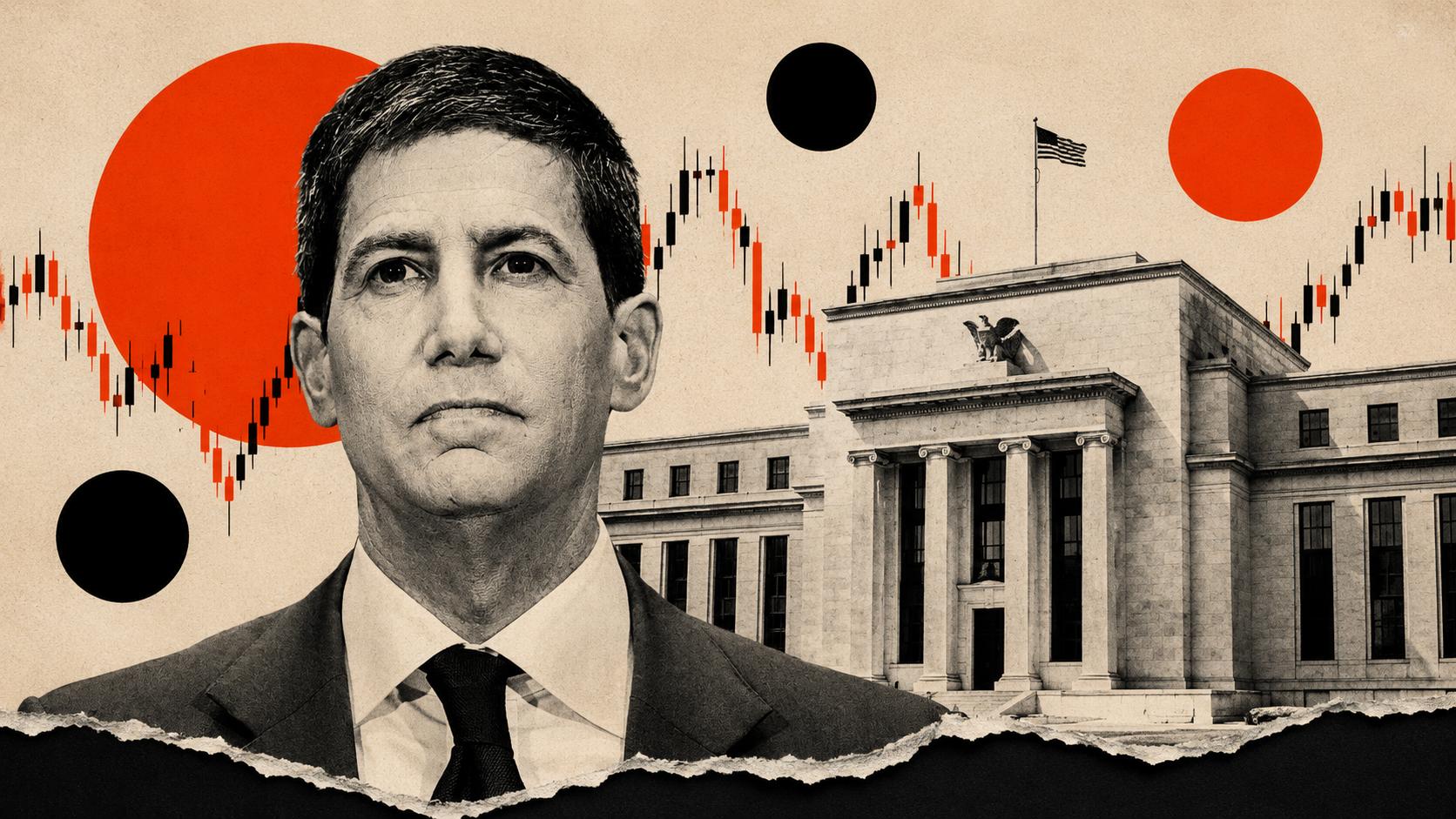
A major focus of the episode is new Federal Reserve Chair Kevin Warsh, who has repeatedly emphasized his commitment to returning inflation to the Fed's 2% target.
Speaking at the European Central Bank Forum on Central Banking, Warsh stated that anyone expecting the Federal Reserve to tolerate inflation above 2% "is going to be disappointed," pledging that the central bank will deliver price stability. He has also indicated that the Fed will no longer provide the same level of forward guidance that characterized Jerome Powell's tenure, potentially creating greater market uncertainty and volatility.
Warsh's hawkish messaging has significantly influenced financial markets. Only a few months ago, many investors expected additional rate cuts during 2026. Today, market sentiment has shifted dramatically toward expectations that rates will remain elevated—or even increase further before year-end.
Higher rates may not be sustainable
Despite Warsh's firm rhetoric, Maharrey questions whether the Federal Reserve can realistically maintain tight monetary policy in an economy burdened by historically high levels of government, corporate, and consumer debt.
While today's interest rates remain relatively low by long-term historical standards, Maharrey argues they are already restrictive enough to strain an economy that has become heavily dependent on cheap credit after decades of easy monetary policy.
He contends that the Federal Reserve faces an unavoidable dilemma. Maintaining higher interest rates could eventually trigger a recession, financial market stress, or a debt crisis. On the other hand, returning to an easier monetary policy would likely reignite inflation.
According to Maharrey, the central bank cannot simultaneously fight inflation aggressively while also providing enough monetary stimulus to sustain today's debt-dependent economy.
Politics may ultimately override inflation-fighting
Maharrey argues that history suggests political realities often outweigh inflation concerns.
While recessions help eliminate economic distortions created by years of artificially low interest rates and excessive money creation, they also create political pain. Policymakers typically respond by introducing new stimulus programs designed to soften economic downturns, even if doing so increases future inflationary pressures.
He points to the Federal Reserve's response following the 2018 market slowdown, the subsequent 2019 rate cuts, and the extraordinary monetary response during the COVID-19 pandemic, when interest rates were reduced to 0% and nearly $5 trillion of quantitative easing was introduced. Rather than solving underlying structural problems, Maharrey believes those actions merely postponed an eventual economic reckoning.
Brad Dunkley sees continued support for Gold
Maharrey also highlighted comments from Brad Dunkley, Chief Investment Officer at Waratah Capital Advisors, during an interview with Kitco News.
Dunkley argues that policymakers have effectively abandoned the idea of allowing prolonged recessions, choosing instead to respond to economic weakness with additional stimulus whenever necessary. As government debt continues to expand, he believes central banks will ultimately suppress real interest rates and return to money creation rather than allow severe economic contractions.
According to Dunkley, these long-term structural forces remain highly supportive of gold despite the recent correction. While short-term expectations of tighter monetary policy have pressured prices, he believes the broader gold bull market remains intact because governments cannot tolerate sustained economic pain or significantly higher borrowing costs.
Gold's long-term outlook remains bullish
Maharrey concludes that current weakness in gold represents a buying opportunity rather than the end of the bull market.
Although he remains cautious in the short term due to persistent expectations of higher interest rates, he believes those expectations will eventually collide with economic reality. If recession risks increase or financial markets weaken significantly, he expects policymakers to return to lower interest rates, renewed quantitative easing, and additional money creation.
Because currencies steadily lose purchasing power over time, Maharrey argues that investors should continue accumulating physical gold and silver as long-term stores of wealth. With gold trading roughly $1,000 below its all-time high, he views the current environment as an attractive opportunity for long-term precious metals investors, particularly those using dollar-cost averaging through monthly purchasing programs.
To receive free commentary and analysis on the gold and silver markets, click here to be added to the Money Metals news service.
Author

Money Metals Exchange
Money Metals Exchange
Now you can safeguard your assets from financial turmoil and the devaluing dollar – without paying costly middleman mark-ups or fending off high pressure, bait-and-switch sales tactics.