Gold steals the spotlight as Washington’s clock ticks

The market opened the week with a burst of confidence—screens flickered higher, futures pointed north—but by the close, the early optimism had drained away. Stocks finished in the green, though only marginally, with traders more preoccupied by the sound of Washington’s fiscal clock than the glow of their P&Ls. A shutdown in 48 hours has become the drumbeat behind every price tick.
The S&P 500’s modest climb hides a much richer story. September was supposed to be a bear trap, the graveyard month where rallies go to die. Instead, the index is up almost 3%—its best September since the COVID rebound—showing once again that markets love to humiliate seasonal clichés. If you were waiting for the September swoon, you got a pocketknife when you were hoping for a sword.
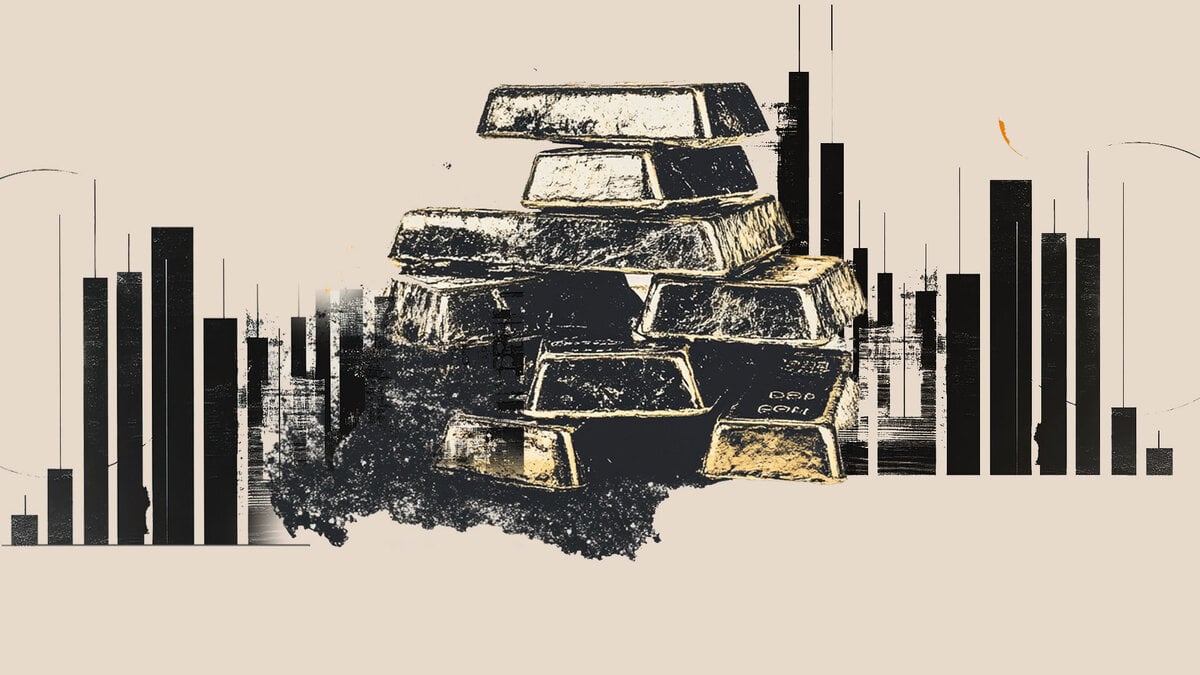
But the real fireworks are not in equities—they’re in gold. The metal surpassed its previous ceiling, notching another record and pushing the paper value of U.S. reserves above the $1 trillion mark. In trading rooms, gold is no longer just a hedge; it’s become the star performer, the undisputed heavyweight. Miners are riding the wave higher, as if they’ve stumbled into a late-cycle cheat code. Every desk is watching because when gold is surging, it tends to reveal more about political and policy anxiety than about jewelry demand.
Meanwhile, energy has turned into the sick man of the market. Oil tumbled more than 4% on chatter of another OPEC+ pump, sending Brent sliding from $70s to mid-$60s in a single swoop. Texas drillers are once again at the mercy of a price deck that looks more like a roller coaster. That volatility fed into the Dallas Fed’s dour survey and left energy names nursing bruises while utilities—of all things—led the pack, bolstered by nuclear optimism as investors search for an AI-era power play that doesn’t melt their balance sheets.
On the flows side, positioning shows a market caught between conviction and caution. Hedge funds have been increasing their long positions, leaning into tech and healthcare. Long-only accounts, however, have been net sellers, trimming defensive staples. The battleground is clear: fast money seeks upside, while slow money seeks safety.
The lurking joker in the deck is Washington. Odds of a shutdown have spiked, and this one has teeth because it could stall Friday’s jobs report. Traders know that the NFP number is the compass by which the Fed and the market sails; delay that compass reading and you force the market to navigate blind. Rate cut bets, already re-priced after the market’s benign take on PCE data despite several rounds of stronger-than-expected numbers, could wobble again. The risk is less about missing a paystub at the Labour Department and more about distorting the Fed’s October call.
Credit markets sniff that risk. Yields eased lower, classic shutdown hedging, while the dollar softened before clawing back some ground on stronger housing data. IPO supply is also quietly weighing on sentiment—46 deals this year, a pace that could rival 2021, and fresh paper always has a way of thinning demand for the old guard.
Through it all, the “Magnificent Seven” remain the market’s high-wire act. Their earnings power has kept the Nasdaq flying—up more than 5% this month alone—even as skeptics whisper about the circularity of AI spending and the limits of energy infrastructure. For now, tech keeps drawing in flows like moths to a flame.
So we wait. Equities hover near record highs, gold screams higher, and the shutdown clock ticks down. For traders, the setup is pure theatre: a market that wants to believe in rate cuts and AI growth but can’t shake the shadows of Washington and oil’s mood swings. The longer the data fog lingers, the louder the whispers of volatility grow. And in that fog, gold is already shouting—reminding everyone that when the political compass spins and the fiscal clock runs out, the oldest safe haven still commands the room.
Author
Stephen Innes
SPI Asset Management
With more than 25 years of experience, Stephen has a deep-seated knowledge of G10 and Asian currency markets as well as precious metal and oil markets.