German Ifo index stabilises in May but remains too weak to bring substantial relief
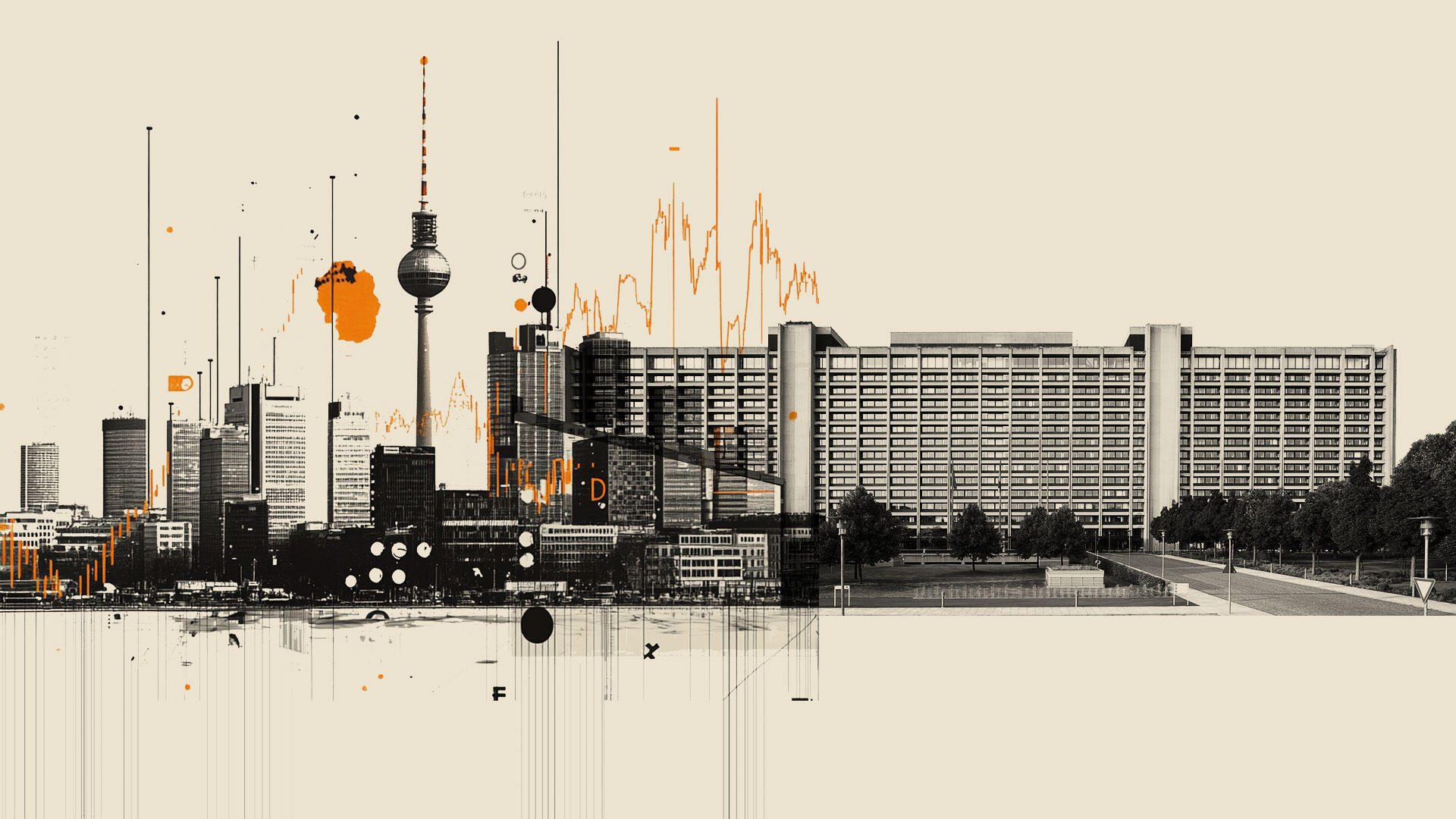
The long-running public and political debate on the need for reforms and structural change often gives the impression that Germans are harking back to a more glorious past rather than embracing an uncertain but potentially more dynamic future. Some might even argue that the decision to bring the legendary goalkeeper Manuel Neuer back into Germany’s squad for the upcoming World Cup fits that same pattern. Anyway, back to economics and this morning’s macro releases are another illustration of the current discrepancy between past and future performance.
While the German economy surprised to the upside in the first quarter, with 0.3% quarter-on-quarter growth, the just released Ifo index does not bode too well for the months ahead. Even if Germany’s most prominent leading indicator stabilised somewhat, coming in at 84.9 in May, from 84.4 in April, there is no cause for relief. While German companies seem to have recovered somewhat from the first shock, the absolute level of the Ifo index remains weak. Yesterday, the latest PMI data already showed a high risk of the economy falling into contraction in the second quarter.
War in the Middle East has clearly altered near-term outlook
More broadly speaking, the war in the Middle East and soaring energy prices, combined with a lack of structural reform and clear strategy for how to restore competitiveness, do not bode well for Germany's growth outlook. The signs of a recovery on the back of fiscal stimulus, particularly in defence and infrastructure, have started to fade away. Soaring energy prices have again exposed the fact that Germany is one of Europe’s largest net importers of energy. Some 6% of its oil imports come from countries in the Middle East. The so-called energy-intensive industries in Germany account for some 17% of industrial gross value added and employ just under one million people. With the war in the Middle East now gradually shifting from a pure energy price shock towards an energy supply and broader supply chain shock, the German economy is once again at the centre of an exogenous, global, disruption.
Still, even if fears of another year of stagnation have returned, it should be clear that the planned investments in defence and infrastructure are still on track and should support the economy this year and beyond. The fiscal impulse is real, at least if it doesn’t end up elsewhere, but it just needs time to reach the real economy. This makes a complicated combination: downside risks in the near-term due to the war in the Middle East but continued optimism on the back of fiscal stimulus further down the line. A combination that, at least for now, should shield the German economy against recession, but not against near-stagnation.
Debate on structural reforms needs more speed
Even though the near-term outlook is worsening again and the spectre of stagflation is returning, there still doesn’t seem to be a uniform awareness of the need for structural reform. Competitive disadvantages like structurally high energy prices and taxes, fading quality in education and infrastructure call for imminent action and make it hard to understand what is taking so long.
Despite ongoing tensions, the government seems to be approaching a compromise on healthcare and pension reforms. While these reforms are necessary to put public finances on a more sustainable footing in light of Germany’s demographic challenges, they are unlikely to make the economy more competitive. For this, more is needed: tax cuts, deregulation, a clear long-term strategy for affordable energy, and greater investment in digitalisation, infrastructure and innovation. In short, a coherent plan.
Not everything needs an overhaul or a full reset. If the success factors of the past are still available, they should be used. But to rely solely on past strengths is a risky strategy, both in football and in economics.
Author

Carsten Brzeski
ING Economic and Financial Analysis
Carsten Brzeski is Chief Economist in Germany. He covers economic and political developments in Germany and the Eurozone, including the monetary policy of the ECB.