FX daily: Energy and carry dominate near term

The deteriorating situation in the Gulf and the rise in energy prices are supporting the dollar against the low-yielders, including the euro. Worryingly for Europe, natural gas prices are creeping higher again at a time of low inventories. In the absence of direction from the Fed, higher energy prices will keep tightening fears alive and the dollar in demand.
USD: Higher energy keeps Fed tightening alive
Lower FX volatility and the simmering conflict in the Gulf are the two dominant themes driving FX markets right now. The former drives strong demand for high-yielding FX, and the latter drives demand for oil-exporting FX. The Colombian peso ticks both of those boxes and is performing well at the moment. But niche emerging market plays do have their pitfalls, as those holding the Kazakh tenge have found out over the weekend.
In the G10 space, the dollar is holding up well, and the macro story should keep it supported. US energy independence will come back to the fore if Iran is effective in re-closing the Strait of Hormuz. And this time around, US rates should rise along with overseas rates given that prospects of Fed tightening are now live. On that subject, we get some important Fed data and speakers this week. Tomorrow sees the June CPI, where headline inflation is set to drop month-on-month. But with energy prices rising again and core inflation probably rising at 2.8/2.9% year-on-year, it looks too early for the market to price out a Fed rate hike this year.
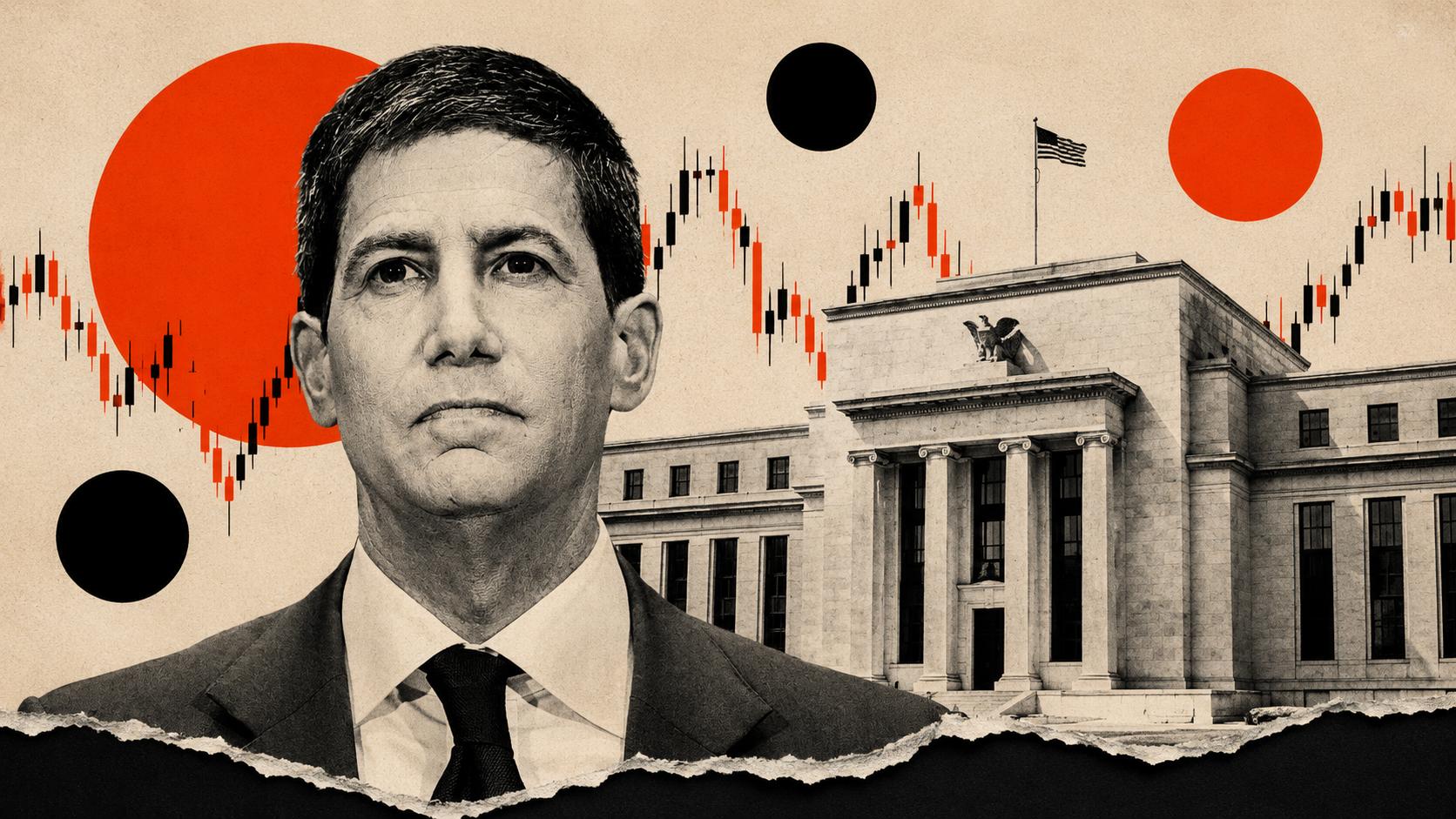
Tomorrow also sees new Fed Chair Kevin Warsh start his two-day testimony to Congress. No doubt he'll make great efforts to share as few insights as possible, but there will be plenty more input into the Fed equation this week, including producer and import prices, retail sales and, on Wednesday, the release of the Fed's Beige Book ahead of the FOMC meeting on 29 July.
With energy prices turning bid again and no signs of an imminent slowdown in US activity to take the sting out of higher prices (keeping Fed tightening prospects alive), the dollar should hold onto its gains. Expect it to be favoured against low-yielding energy importers such as the euro and the yen. And in a world of higher interest rates, the Swiss franc lags. USD/CHF can retest last month's high at 0.8140, while DXY can grind to 101.50.
EUR: Natural gas story is worrying
The pick-up in energy prices has put a lid on last week's corrective rally in EUR/USD. We also note that natural gas prices are on the rise, and our Head of Commodities Strategy, Warren Patterson, warns that European gas inventories are low at a time of a local heatwave. EUR/USD can easily drift down to the 1.1360 area and could test the 1.1300/25 area this month – even though we suspect that could prove the trading range low this summer.
It is not a big week for European data and short-dated euro swap rates look more likely to be dragged around by energy prices than ECB-speak. Of interest, ECB President Christine Lagarde meets Kevin Warsh in Washington today, although it seems highly unlikely that any insights from the meeting will be shared.
JPY: Intervention prospects this week
USD/JPY is grinding higher again – as is USD/Asia in general – on the back of higher energy prices. Local authorities continue to try and defend against currency weakness – weakness which would add to the inflation problem. USD/JPY is back above 162 again and looks biased to retest recent highs near 162.70/85.
In terms of a Japanese intervention strategy, the timing of the FX intervention seen in late April/early May this year was a carbon copy of 2024. And back in 2024, with USD/JPY still bid, Japanese authorities intervened again in July ahead of the Marine Day public holiday. That same playbook would point to potential intervention this Thursday/Friday ahead of the public holiday next Monday.
Of course, intervention alone cannot reverse the current bull trend. For that to happen, energy prices need to come lower and the Fed must conclude that it does not need to hike rates after all. Both of those seem unlikely in the near term.
CEE: Dovish NBP to weigh on zloty as koruna and forint stay supported
Moving into the second half of the month, the CEE news flow turns to secondary data this week. The Polish June CPI should be confirmed at 2.5% on Wednesday, helped by unexpectedly low food prices and normalising fuel costs, while Thursday’s core print is likely to stay unchanged at 3.1%. Headline inflation may edge higher in July after lower excise duty and VAT on fuels expired and gasoline prices rose again. Even so, the medium-term inflation outlook remains favourable, which should allow the central bank to keep rates on hold in the coming months. Hungary wages on Thursday and Czech PPI on Friday may further refine the monetary policy picture.
Thursday’s National Bank of Poland press conference struck a clearly dovish tone, which should weigh on the zloty for a bit longer. The market is pricing almost a full rate cut further out, with more than a 50% probability assigned to the September meeting. Rates are still searching for a new equilibrium, but the rate differential in our models points closer to 4.340 in EUR/PLN, with upside risk.
Despite the sharp weakening in recent days, we remain bearish on PLN this week and beyond. Weekend headlines from the Middle East point to a risk-off opening today, which should add pressure across the region. We remain bullish on the koruna, backed by a hawkish Czech National Bank, and on the forint, which is recovering from the global sell-off amid a still solid domestic backdrop – but near-term weakness across CEE FX looks likely.
Author

ING Global Economics Team
ING Economic and Financial Analysis
From Trump to trade, FX to Brexit, ING’s global economists have it covered. Go to ING.com/THINK to stay a step ahead.