Five fundamentals for the week: Powell, US inflation, retail sales and one Donald Trump
- Markets' dismissal of new tariff threats may come to haunt them.
- US inflation figures will likely trigger high volatility.
- Fed Chair Jerome Powell faces Congress for the first time under the new administration.


The US President Donald Trump cannot extract himself from the news – and that is only one source of volatility. After digesting Nonfarm Payrolls, fresh US inflation figures and long hours with Fed Chair Jerome Powell will keep investors on edge.
1) New Trump tariffs set to rock complacent markets
What a difference one week makes. Last week's opening saw yawning gaps on all charts as a shocked response to US President Donald Trump's tariff threats on Mexico, Canada, and China. This week, markets opened in the wake of a new menace: 25% tariffs on steel and aluminum.
However, not even the prices of these metals moved significantly. Investors seem to shrug their collective shoulders and view Trump's threats as a bluff. They do that at their own peril.
While the US refrained from slapping duties on its neighbors, China received a 10% tariff on all goods, and retaliated. Moreover, Canada and Mexico may still suffer blows after the one-month suspension of tariff expires in early March.
Moreover, there may be more duties in store. All in all, I expect the current market complacency to fade and to see more reactions to tariffs. However, investors know that President Trump is afraid of them – and a big dive in Stocks might trigger a U-turn from the White House.
2) Fed Chair Powell has an opportunity to react to data
Tuesday and Wednesday from 15:00 GMT. While many Federal Reserve (Fed) officials have been on the wires since the bank's decision on February 29, Fed Chair Jerome Powell has been quiet. He will now face two separate committees in Congress, and will face long grillings from lawmakers.
Markets will focus on his reactions to recent data. Is he happy with the drop in the unemployment rate to 4%? Or perhaps worried by the downgrade of jobs reports in previous reports.
What does he think about inflation? The first day of testimony features Powell's prepared remarks, and usually consists of the bigger market moves. However, he may be asked about the Consumer Price Index (CPI) report on Wednesday, shortly after the data is released.
Worries about rising prices may lift the US Dollar, hurting Gold and Stocks. Sounding calm about them will do the opposite.
At the time of writing, bond markets are pricing out a rate cut in March. Therefore, dovish comments opening the door to reducing borrowing costs may have more impact than ones signaling rates will remain unchanged.
3) Markets await core inflation with angst
Wednesday, 13:30 GMT. Has underlying inflation risen again? That is the main concern in the Consumer Price Index (CPI) report for January. Core CPI rose by only 0.2% in December, lower than the 0.3% reported in previous months. However, this critical measure of price rises is expected to print 0.3% now.
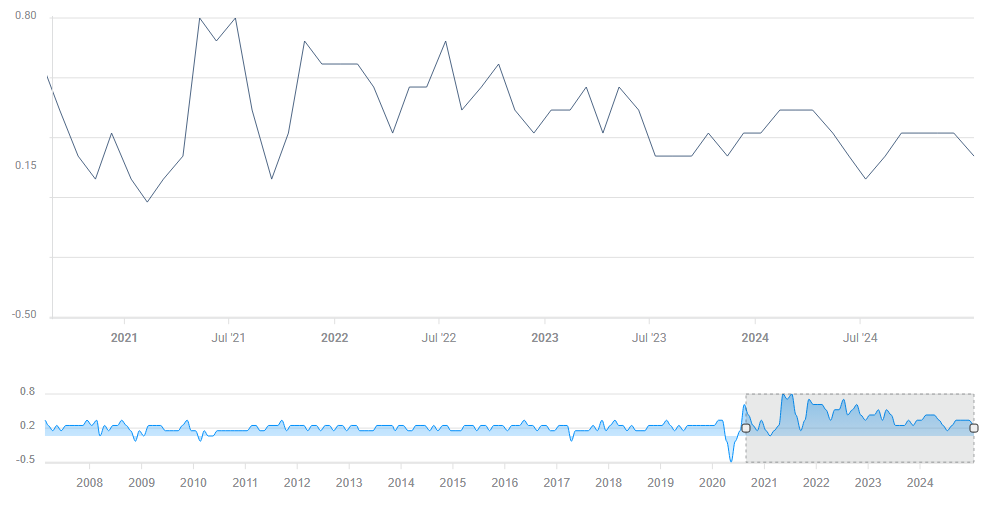
The Fed focuses on core CPI, which excludes volatile energy and food prices, which are set on global markets and are hard to influence. However, other measures are more impacted by borrowing costs.
The recent Nonfarm Payrolls (NFP) report showed that not only hiring continues at a solid pace, but wages are also rising. That implies higher services costs, which would be reflected in core inflation. I suspect the CPI report will show hotter-than-expected inflation, boosting the US Dollar and weighing on Gold and Stocks.
4) PPI eyed for impact on Fed's favorite inflation gauge
Thursday, 13:30 GMT. Prices at factory gates are not as important as those consumers pay – but with the growing sensitivity to inflation, this report is of high importance as well.
The Producer Price Index (PPI) publication also has another role: it helps shape expectations for the Personal Consumption Expenditure (PCE) figures released late in the month. PCE is the Fed's preferred gauge of inflation, as it uses a methodology that considers changing consumer preferences.
Back in December, the core PPI came out at 3.5% year-over-year (YoY), a pace that makes Fed officials uneasy. Any increase would support the US Dollar, while a decline would weigh on it.
5) Retail sales figures carry easily surpassable expectations
Friday, 13:30 GMT. Never underestimate the strength of the US consumer. With or without special sales, shopping is relentless in America, and consumption consists of roughly two-thirds of economic activity.
Back in December, Christmas shopping lifted headline sales by 0.4% and the Retail Sales Control Group – aka "core of the core" – by a whopping 0.7%.
This time, expectations for headline sales stand at -0.1%. I think this is too low and could be easily surpassed. If I am correct, the US Dollar would rise while Gold and Stocks would ease. If the consumer surprises by taking a break from intense shopping, there is room for the reverse to happen.
Final thoughts
As always, Trump's tariffs can come at different hours and shock markets. However, these same markets serve as a check on the president as he measures his success by stock market reactions and may back down if alarm spreads.
Premium
You have reached your limit of 3 free articles for this month.
Start your subscription and get access to all our original articles.
Author
Yohay Elam
FXStreet
Yohay is in Forex since 2008 when he founded Forex Crunch, a blog crafted in his free time that turned into a fully-fledged currency website later sold to Finixio.