Fed update: Strong nominal macro warrants tightening bias
- We adjust our Fed call and now expect the next policy changes to be 25bp rate hikes in December 2026 and March 2027. Previously, we expected the Fed to cut rates down to 3.00-3.25%.
- US nominal growth outlook has improved more than we expected previously. Importantly, the shift has not been driven by just the war in Iran and instead we think that demand-factors are fuelling more structural inflation.
- Downside risks to labour markets have eased, AI-driven investment demand continues to fuel both real growth and inflation, and fiscal policy is slipping towards expansionary direction. Lending growth has also improved, suggesting that current level of policy rates is no longer firmly restrictive.

While most of the inflation debate of past few months has circled around higher energy prices, we think that the most recent uptick in US yields has instead been driven by more structural demand-factors. Last fall, the Fed eased its policy based on a perceived risk of cooling labour markets - which we largely shared back then. But more recently, high-frequency labour market data has improved, and aggregate job creation has rebounded above most estimates of the breakeven rate.
As downside risks to employment have eased, new upside risks to inflation have risen on several fronts.
AI-driven investment demand is increasingly not just fuelling real growth, but also cost pressures that will pass through to consumer prices. In April, computer equipment lifted overall US import prices at the fastest rate since October 2022.
US fiscal policy is also increasingly slipping towards an expansionary direction. Court rulings against the use of IEEPA tariffs (and recently, also Section 122) have limited the administration's ability to impose high tariffs, which has resulted in the tariff policy easing. Now, the combined effect of tariff refunds, lagged effects of the Big Beautiful Bill and potential discretionary support measures (such as pausing federal fuel taxes) are putting upward pressure on public deficits once again.
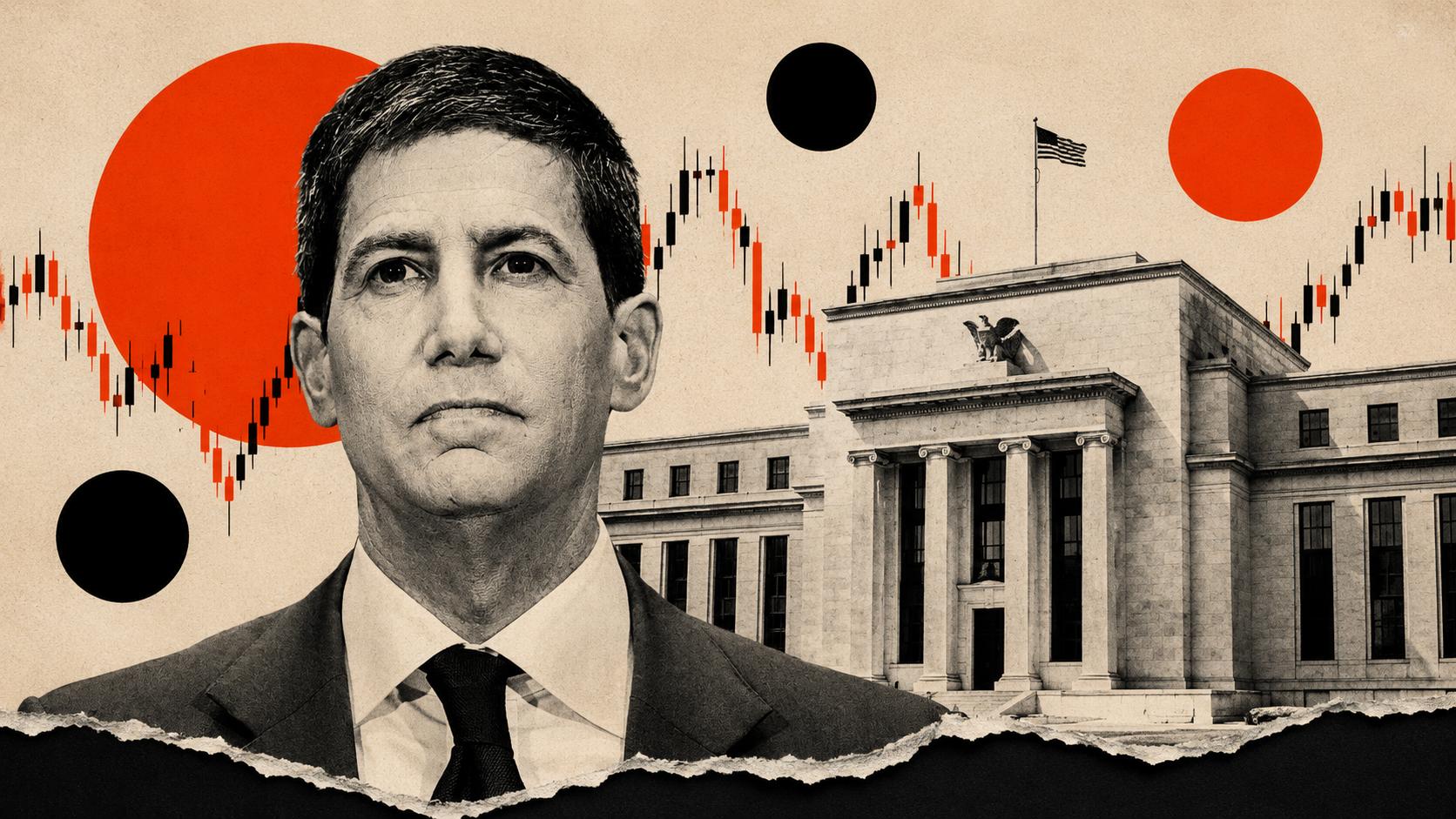
Stronger aggregate demand combined with supply shortages hitting both computing equipment and energy, warrant the Fed maintaining its monetary policy tighter than previously thought. While Kevin Warsh's approach to setting forward guidance remains unclear, we expect FOMC participants to verbally shift away from the earlier easing bias and towards a tightening bias over the summer. Trump's recent remarks suggest that political pressure on Warsh delivering further cuts has also eased.
Ultimately, we expect the Fed to hike rates by 25bp in December and March, before maintaining the policy rate target at 4.00-4.25% through the rest of 2027. Key downside risks to our call are related to either a rapid de-escalation of the war in Iran or US private consumption growth falling clearly short of current expectations.
Author

Danske Research Team
Danske Bank A/S
Research is part of Danske Bank Markets and operate as Danske Bank's research department. The department monitors financial markets and economic trends of relevance to Danske Bank Markets and its clients.