ECB’s Lagarde: The current shock is longer-lasting
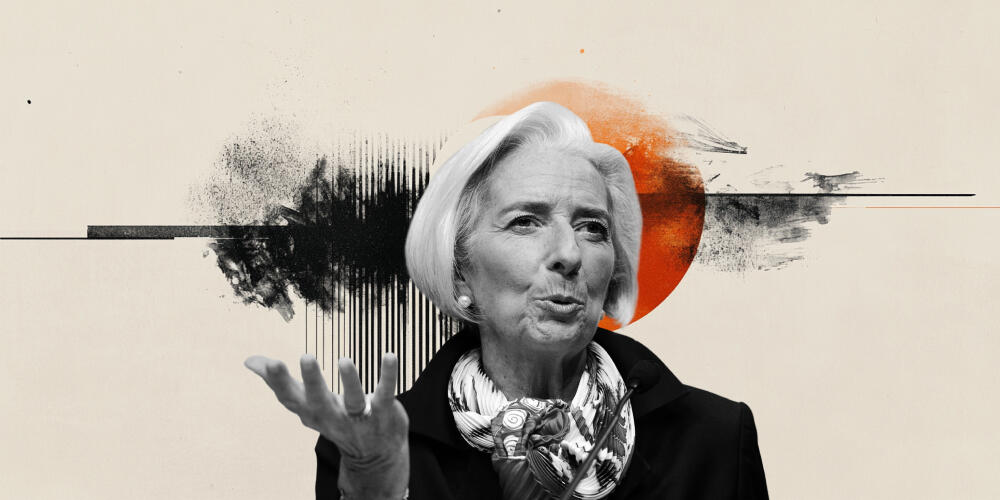
European Central Bank (ECB) President Christine Lagarde said in an interview on Saturday that the current energy shock is longer-lasting. She added that the “conflict is continuing” and, “We [ECB] expect the volatility and pressure on energy prices to continue, even though the increase in prices also poses a risk of lower growth.
Additional Remarks
The ECB’s task is to maintain price stability.
Inflation is well above 2%, at 3.3% in the euro area.
Continued conflict in the Middle East could keep energy markets volatile and prices elevated.
The ECB has to work for the entire euro area. It can’t look at France, Lithuania or Germany in isolation.
Need to simplify administrative regulations both at the European level and in France.
Rise in long-term rates is linked to two factors: public finances in general, and in the United States in particular.
The second is the funding needs of economic actors, especially for artificial intelligence.
I will leave in 2027.
Euro's price action on Monday
At the start of the week, the Euro (EUR) underperforms its major currency peers, except antipodeans. As of writing, EUR/USD is down 0.37% to near 1.1556.
Lagarde flags persistent inflation and long-lasting shock for the Euro
FXS Speechtracker scores the speech at 6.4/10, slightly above Christine Lagarde’s historic 6.2/10 baseline, indicating a marginally more hawkish tone. Emphasis on inflation at 3.3% in the Euro area, the need to maintain price stability, and the warning that the current shock is longer-lasting all reinforce expectations that the ECB will remain cautious about easing, supporting the Euro on balance.
Lagarde’s focus on volatile energy markets due to Middle East conflict, rising long-term rates linked to public finances and funding needs for artificial intelligence, and the reminder that the ECB must act for the entire Euro area rather than individual countries underscores medium-term policy uncertainty. The call to simplify regulations and the clear timeline for departure in 2027 add a structural and governance dimension, but the dominant takeaway for FX markets is the persistence of inflation risks and elevated rates, which leans modestly hawkish for the Euro.
Author

Sagar Dua
FXStreet
Sagar Dua is associated with the financial markets from his college days. Along with pursuing post-graduation in Commerce in 2014, he started his markets training with chart analysis.