China’s balancing act: Building the stage, not feeding the crowd

Reshuffling the set
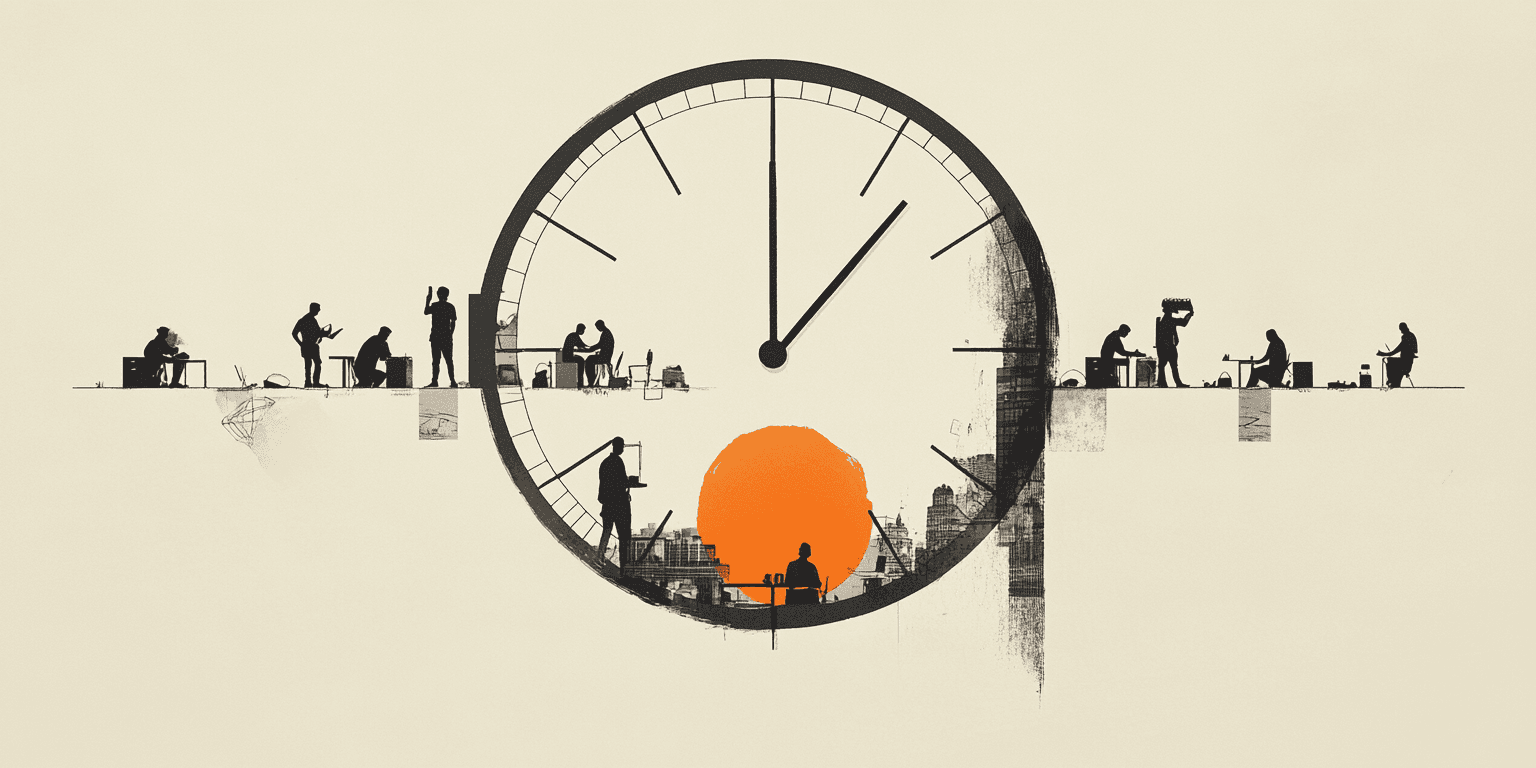
Beijing’s latest economic overture feels less like a rescue package and more like a change of stage scenery. Another weak roll of summer data—retail sales limping, fixed asset investment dragging its feet, youth unemployment lurking in the shadows—and the Party’s answer is a 19-point plan tilted toward services. Sports, healthcare, tourism, finance, entertainment: the government is trying to build new theaters where growth might perform.
On paper, it makes sense. Services are labor-intensive, and Beijing needs somewhere to absorb the manufacturing jobs that continue leaking offshore to cheaper assembly lines in South Asia and Eastern Europe. Visa-free entry for dozens of new countries is part of that play, an attempt to convert inbound tourism from a rounding error—less than 0.5% of GDP—to something closer to the 2-3% global norm. But the problem isn’t the scenery; it’s the crowd. Households aren’t rushing to spend because the mood remains defensive. The Chinese consumer still stashes cash like a squirrel sensing a long winter, saving against the grinding costs of healthcare, education, and retirement. A few subsidies on air conditioners and auto trade-ins won’t alter that instinct.
The spring’s CNY300 billion trade-in program gave a temporary jolt, but those coffers are empty, and the appetite to reload looks thin. Beijing has always preferred pouring concrete to handing out cash, and this week’s signal is more of the same: fresh bonds for hospitals, cultural centers, tourist zones. Infrastructure with a services twist, but still infrastructure at heart. It builds jobs and headlines, but it doesn’t change the deep wealth effect drag of a housing sector in reverse.
That’s the elephant in the arena. Developers are still choking on unsold inventory, and new prices continue to deflate. The market keeps hoping for the “big bazooka” stimulus, but Beijing only offers incrementalism: marginal easing of home-buying restrictions in the likes of Shanghai and Beijing, piecemeal steps that don’t alter the psychology of a falling market. As long as property keeps sliding, the consumer will hunker down, and every new policy will look like an understudy, not the star of the show.
Layer onto this the geopolitical overture: Trump and Xi preparing to meet in South Korea, TikTok deals dressed as progress, tariffs looming like stage lights ready to flare. Until the trade war script is rewritten—or at least clarified—Beijing will keep policy cautious, unwilling to blow fiscal or monetary powder on consumer largesse without knowing whether Washington plans to pull the rug on exports completely.
So we’re left with a China that is reshuffling the set, not rewriting the play. Services may provide a new cast, tourism might bring in foreign ticket sales, but the box office still hinges on whether property stabilizes and the global trade plot steadies. Traders should see these measures not as a grand finale, but as another rehearsal—incremental scaffolding around an economy still waiting for its lead actor to return to the stage.
The Korea curtain call
Against this domestic backdrop, the geopolitical theater is about to raise its curtain in South Korea. Trump and Xi meeting for the first time since 2019 isn’t just a diplomatic handshake—it’s a test of whether the trade war script can be rewritten or whether both sides keep reciting old lines. The TikTok “deal” has been billed as progress, but for markets it looks more like stage props: one side presenting a done deal, the other hedging its language, each trying to own the narrative without conceding substance.
For Beijing, the summit is about buying time. Exports remain a fragile lifeline, and the threat of tariff escalation is the storm cloud hanging over every policy choice. For Trump, the optics matter just as much as the outcome—walking into Korea with a deal in hand, even half-baked, plays as strength. Traders know this dynamic: optics often move tape faster than substance, and both leaders understand the choreography.
But the risk is that the meeting delivers little more than theatrics. If tariffs remain entrenched and export momentum falters, Beijing’s cautious domestic policies will look increasingly insufficient. And if Washington leans harder on China while Beijing avoids a big fiscal splash, the economy risks drifting into a no-man’s land where neither domestic demand nor external trade carries the load.
For markets, this Korea curtain call is not about whether TikTok survives or not—it’s about whether the two largest economies signal détente or dig deeper into trench lines. The yuan, equities, and commodities will take their cues not from the press release, but from the market’s gut read on whether this was a genuine rewriting of the play or just another dress rehearsal.
Author
Stephen Innes
SPI Asset Management
With more than 25 years of experience, Stephen has a deep-seated knowledge of G10 and Asian currency markets as well as precious metal and oil markets.